NEW YORK
Google's biggest hardware show of the year landed in New York City today, and if there was one message underneath all the confetti, celebrity cameos, and glowing product reveals, it's this: the phone in your pocket is about to get smarter, and it's about to cost you more to find out how much smarter.
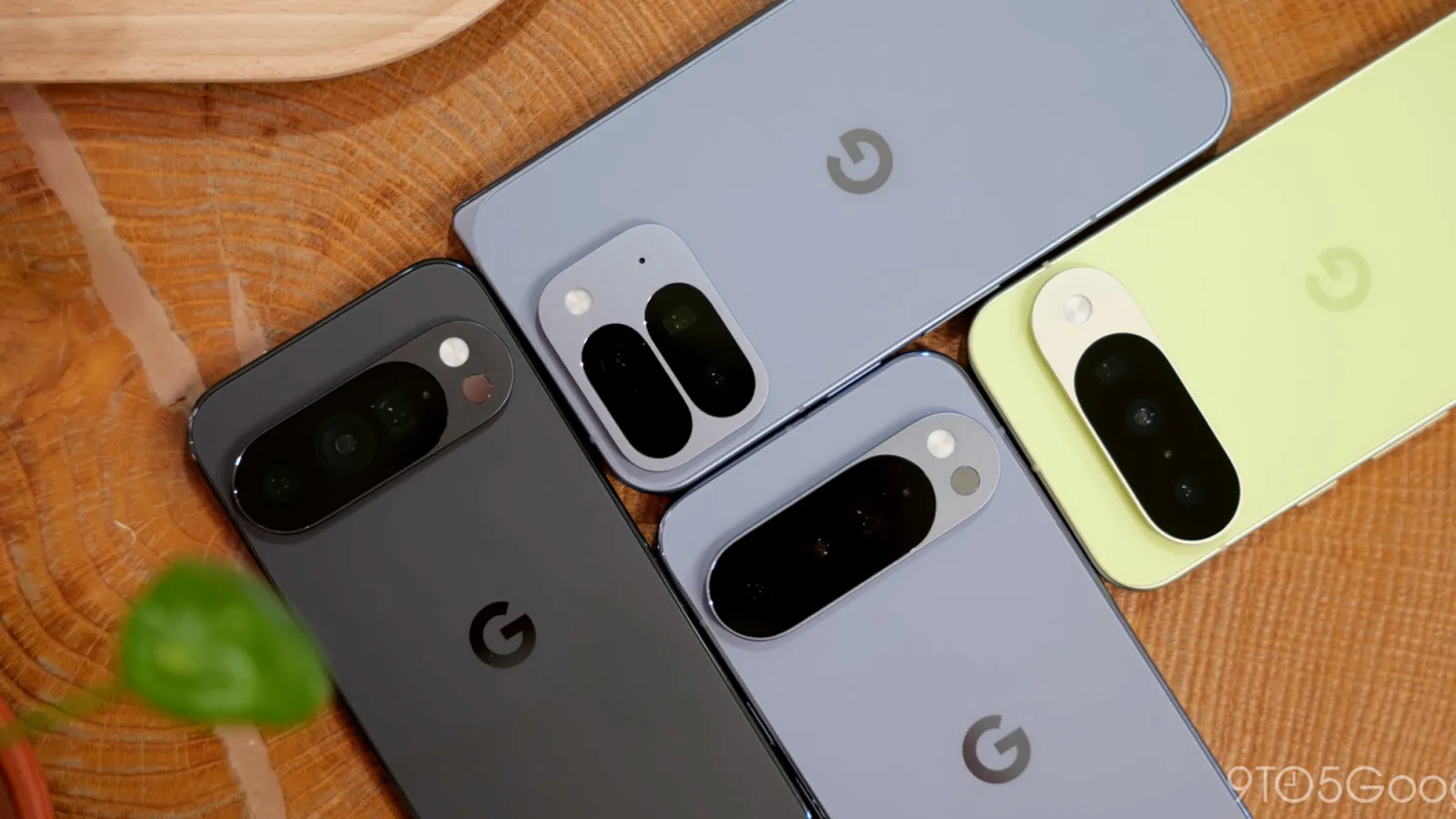
At the Made by Google 2026 event, held at 3 p.m. Pacific / 6 p.m. Eastern and streamed live to millions, the company pulled the wraps off the Pixel 11, Pixel 11 Pro, Pixel 11 Pro XL, and Pixel 11 Pro Fold, alongside a refreshed Pixel Watch 5 and a new Bluetooth item tracker rumored for months under the name Pixel Tag. Following last year's playbook, Google turned the unveiling into a star-studded production, with NBA star Stephen Curry, cricket standout Shubman Gill, and actress Ayami Nakajo appearing on stage, and comedian Trevor Noah hosting the show. But underneath the celebrity wattage, the real headline for anyone shopping for a new phone this fall is blunt: prices are up across the entire lineup, and Google is betting its AI assistant Gemini is now good enough to justify the difference.
FOUR PHONES, ONE BIGGER BILL
The base Pixel 11 now starts at $899 for what is now the entry-level 256GB storage tier — a $100 jump from where the Pixel 10 started at $799 a year ago, and notably, Google has dropped the 128GB option altogether, meaning there is no longer a cheaper way in. The Pixel 11 Pro starts at $1,099, the larger Pixel 11 Pro XL starts at $1,299, and the Pixel 11 Pro Fold — Google's book-style foldable — starts at $1,899 for 256GB, climbing to roughly $2,019 for 512GB and around $2,249 for the top 1TB configuration.
Google is framing the increase around what's inside the phones rather than what's outside them, but the timing lands awkwardly next to a wave of industry-wide price hikes tied to rising memory and component costs. Every major phone maker has been nudging prices upward this year, and Google's across-the-board $100 bump puts it squarely in step with that trend rather than standing apart from it. Pre-orders opened at 7 a.m. Pacific today, hours before the event itself even started, and the phones go on sale on August 20.
THE CHIP THAT'S SUPPOSED TO CHANGE EVERYTHING: TENSOR G6
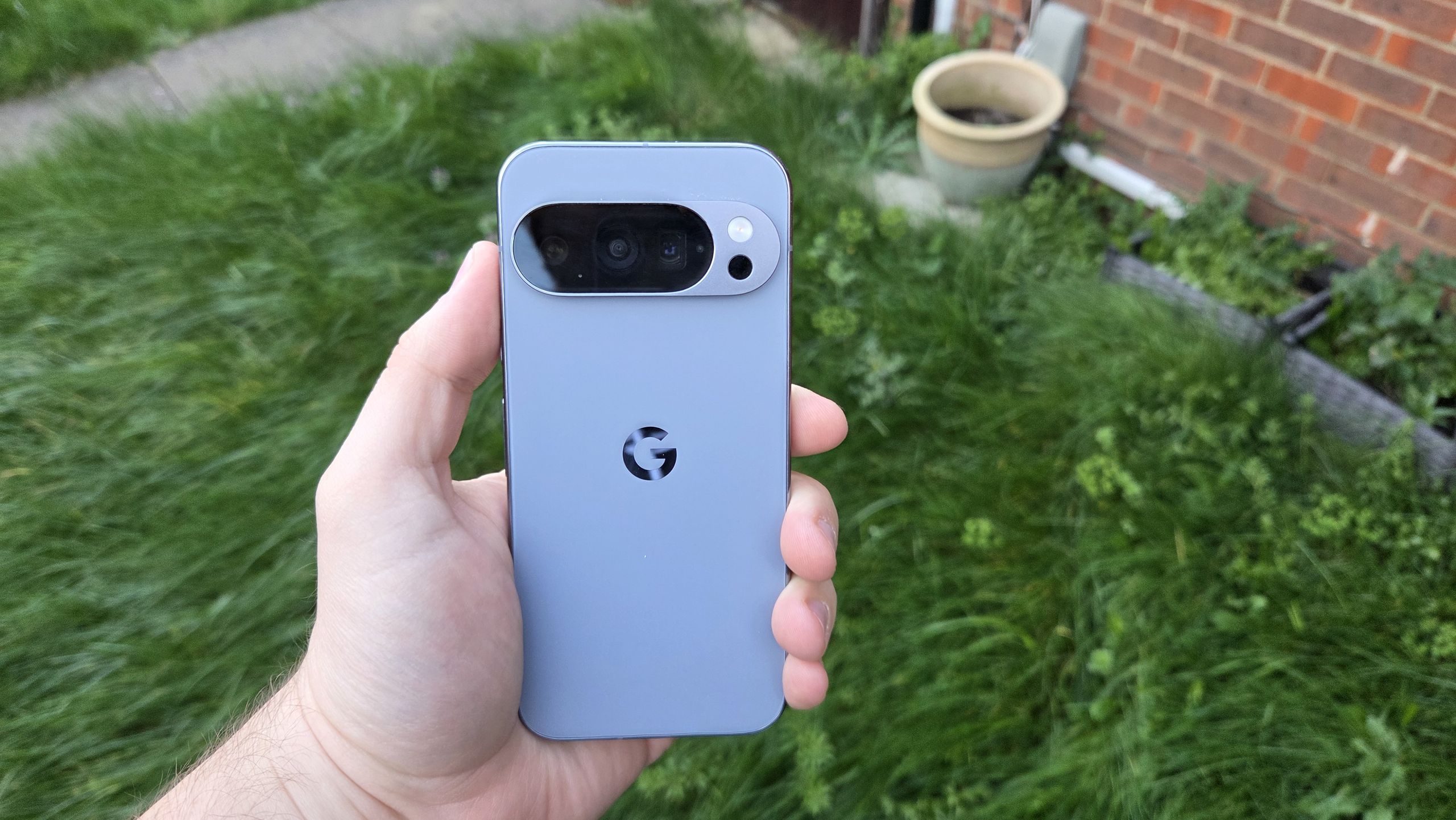
Every Pixel 11 model runs on Google's new in-house Tensor G6 chip, built on a 2-nanometer manufacturing process — a genuine jump ahead of rival chipmakers Qualcomm and MediaTek, both of which remain on 3-nanometer designs for at least another year. On paper, a smaller node means better power efficiency, meaning the phone can do more AI processing on-device without draining the battery or overheating, which has been a persistent complaint with past Tensor chips during heavy gaming or sustained camera use.
The Tensor G6 also reportedly brings a MediaTek modem into the mix for the first time, specifically the M90, capable of 12-gigabit-per-second peak speeds and dual-active 5G connections — a shift away from the Samsung-made modems Google has relied on in recent Pixel generations. Google is pitching the chip almost entirely around artificial intelligence workloads rather than raw horsepower, which explains why some early hands-on impressions describe the graphics performance as merely adequate rather than class-leading. For a company that has spent three straight years insisting its phones are "built for AI first," that trade-off appears to be a deliberate one, not an oversight.
HILIGHT: THE NOTIFICATION LIGHT MAKES A COMEBACK, REBORN AS AN AI MOOD RING
Perhaps the most visually distinctive new feature is HiLight, a glowing light bar built into the camera housing of the Pro models that Google first quietly teased months ago on its Chromebook successor, the Googlebook, and its newest smart speaker. On the Pixel 11 Pro and Pro Fold, the bar lights up and changes color dynamically whenever a user interacts with Gemini, essentially resurrecting the old Android notification LED — a feature phone makers abandoned years ago — and rebuilding it as a visible signal of the phone's AI activity. Google has redesigned the Pro Fold's entire camera housing to make room for it, a sign of how central the feature is to this generation's design language, even though HiLight is conspicuously absent from the standard, non-Pro Pixel 11.
GEMINI EVERYWHERE: ORDERING DINNER, BUILDING WIDGETS, RUNNING YOUR PHONE FOR YOU
Software, not hardware, is where Google spent most of its stage time, and the company used language that signals a real shift in ambition: it now describes Android not as an "operating system" but as an "intelligence system." The centerpiece is Gemini Automation, a feature that lets the assistant navigate entire apps and websites on a user's behalf with a single spoken or typed command — Google demonstrated it placing a food order from two different restaurants without any further taps once the user confirmed. A companion feature called Create a Widget turns Gemini into an on-demand app builder, letting users describe a home-screen widget that doesn't exist yet and have Gemini code and generate it on the spot, echoing a feature popularized by rival phone maker Nothing earlier this year.
Gemini Intelligence, Google's umbrella term for the assistant's contextual features, is also being extended to apps the company doesn't officially support — Google demonstrated it pulling details out of a photographed event flyer and dropping them straight into a shopping list inside an unrelated, third-party note-taking app. Alongside the AI push, Google highlighted a pair of new security features rolling out with Android 17: Live Threat Detection, which flags suspicious background behavior such as an app secretly trying to send text messages to unknown numbers, and Verified Financial Calls, which is designed to warn users in real time if an incoming call claiming to be from their bank turns out to be fraudulent.

PIXEL WATCH 5 AND THE NEW $499 TRACKER
The Pixel Watch 5 keeps the familiar circular design of its predecessor but gets a price increase of its own — the base Bluetooth-only 41mm model now starts at $399, up $50 from last year, while the cellular LTE version climbs all the way to $499, edging into premium sports-watch territory typically occupied by dedicated fitness brands. Google is pairing that price jump with promised improvements to fitness tracking, an area where Wear OS has historically lagged behind dedicated fitness brands, though the watch sticks with last year's Snapdragon-based chipset rather than adopting the newest, more powerful — but reportedly less battery-efficient — Snapdragon Wear Elite chip found in some rival smartwatches this year.
Rounding out the wearables news is the long-rumored Pixel Tag, Google's answer to Apple's AirTag: a small Bluetooth tracker for keeping tabs on keys, bags, or anything else prone to going missing. Unlike Apple's circular design, leaked images show Google going with a distinct shape of its own, a decision that has drawn some online criticism for sacrificing compatibility with the existing ecosystem of AirTag-style accessories, cases, and keychains already on the market.
HOW THIS STACKS UP AGAINST THE COMPETITION
The timing of today's launch places the Pixel 11 directly in the crosshairs of Samsung's Galaxy Z Fold 8 lineup, which recently pushed foldable battery capacity to 5,000 milliamp-hours using new silicon-carbon battery technology, and reset expectations for how thin and light a book-style foldable can be. Google is widely expected to have narrowed the thickness gap with the Pixel 11 Pro Fold this generation, though whether it matched Samsung's jump in battery capacity remains to be confirmed as reviewers get hands-on time in the coming days. Looming further out is Apple, which is rumored to be preparing its first foldable iPhone, tentatively dubbed the iPhone Ultra, adding a third major player to a foldable phone category that, until this year, was largely a two-way fight between Samsung and Google.
Camera hardware drew mixed early reactions as well. Google is touting a 120x "Pro Zoom" on the Pixel 11 Pro, leaning heavily on computational photography rather than a larger physical telephoto lens, and a new Night Sight Video mode aimed at dramatically brightening video captured in near-total darkness. But the standard Pixel 11 reportedly loses its telephoto camera entirely, shipping with just a 48-megapixel main sensor and a 13-megapixel ultrawide — a step back from last year's Pixel 10, which had added a telephoto lens to the base model for the first time. For shoppers who don't want to pay Pro-tier prices, that's a real trade-off buried underneath the AI headlines.
WHAT THIS MEANS FOR YOU
If you're due for a phone upgrade this year, today's event narrows your decision to a fairly stark trade-off: pay more than you did last cycle, across every single tier, in exchange for a faster, more efficient chip and a noticeably more capable AI assistant that can now act on your behalf rather than just answer questions. Whether that trade is worth it depends heavily on how much you actually use an AI assistant day to day. If Gemini ordering your dinner or auto-building a widget sounds genuinely useful, the Pixel 11 series is leaning hard into exactly that future. If you mainly want a great camera and don't care about AI automation, it's worth noting that Google quietly removed the base model's telephoto lens this year, which may push budget-conscious buyers toward the pricier Pro models or toward last year's discounted Pixel 10 instead.
The pricing pattern here also isn't unique to Google. Component costs, especially for memory chips, have been climbing across the entire smartphone industry this year, and shoppers should expect similar increases from Samsung, Apple, and other manufacturers in their own upcoming launches rather than treating this as a one-off Google decision. If you're on a multi-year upgrade cycle, this may be the year to compare trade-in values carefully rather than assume the newest model is automatically the best value.
For smartwatch buyers, the math is similarly blunt: a fully-loaded Pixel Watch 5 with cellular now costs about as much as some dedicated running watches from Garmin, a brand Google is explicitly trying to compete with on fitness tracking this generation. Casual buyers who just want notifications and basic health tracking may find the cheaper Bluetooth-only model, or last year's Pixel Watch 4, a smarter use of their money.
THE BOTTOM LINE
Google didn't just launch four phones and a watch today — it made a bet that customers will pay more for a phone that acts more like an assistant and less like a communication device. The Tensor G6 chip, the glowing HiLight bar, and Gemini's new ability to click "confirm" on your behalf all point toward the same vision Google described onstage: a phone that does things for you, not just a phone that responds when you ask. Whether that vision is worth the extra $100 — or, in the case of the Pixel Watch 5, the extra $150 for cellular — is a question every buyer will have to answer for themselves over the next few weeks, as the phones start shipping on August 20 and the first independent reviews start rolling in.
Published By | Tech Wiz