Written By |
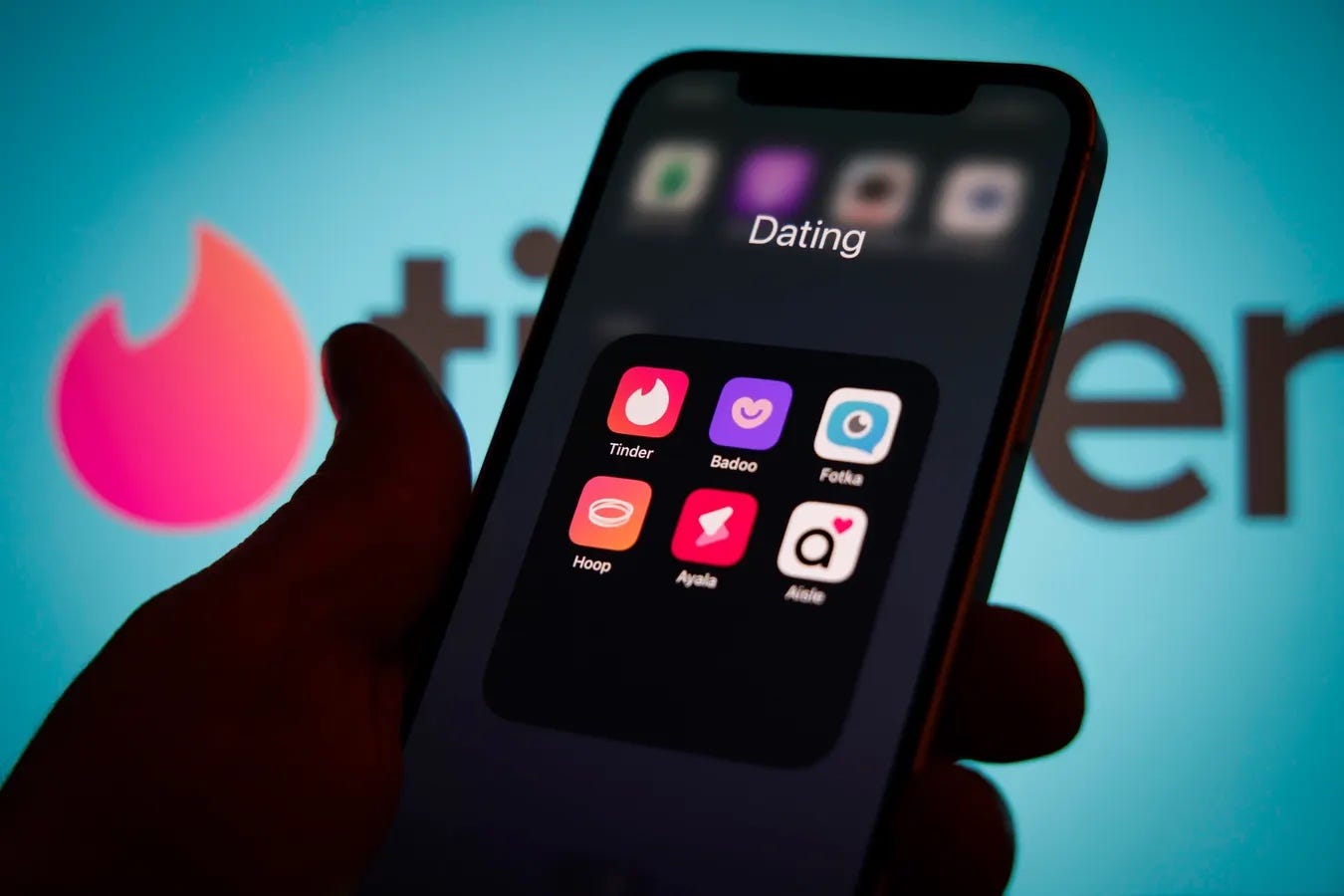
In today’s digital age, romance has become a global marketplace
By Sande Evan Ndahura
Lead: When Love Meets the Algorithm
Courtship was once local and personal. A young man would meet his match through school, church, or community introductions — and parents, peers, and neighbours often knew the families involved. But in today’s digital age, romance has become a global marketplace. A single Instagram post, TikTok video or WhatsApp status can open a young woman’s private life to hundreds of strangers.
This expanded sampling space has not only complicated dating choices but also created a moral fog — making it increasingly difficult to distinguish genuine “marriage material” from those performing online personas. What looks like confidence may be marketing; what looks like love may be a filtered fantasy.
The Smartphone Error: When Technology Becomes a Trap
The smartphone revolution — while connecting billions — has silently created a new social error. Cheap data, endless apps, and global visibility have rewritten the rules of love. I call it the “smartphone error”: the unintended social consequences of a hyperconnected generation where constant visibility, instant messaging, and performance-based lifestyles dominate relationships.
This “error” produces four key distortions:
Exposure Overload: Young women attract multiple admirers online, increasing emotional confusion and making long-term commitment harder.
Performance Pressure: Social media rewards appearances — showing off trips, food, gifts — even when funded by men they’re casually dating.
Signal Distortion: A curated profile doesn’t reveal real character; likes and emojis can be easily misread as love.
Insecurity Inflation: The endless comparison of “perfect couples” online fuels jealousy, monitoring, and constant fights — even within stable relationships.
These patterns are not women’s faults; they’re structural outcomes of digital life. Studies consistently show that relationships that begin online are statistically more fragile than those formed through offline networks.
What the Data Says
A 2024 review published in ScienceDirect found couples who met online reported lower satisfaction and stability compared to those who met offline.
Another study from ResearchGate linked heavy Instagram use to increased jealousy and conflict in relationships.
A 2023 global survey revealed that dating-app users report 18% lower relationship satisfaction than non-users — particularly among women aged 18–30.
What used to be a slow, cautious process of discovery has become fast, visual, and disposable. In the “swipe culture,” people are treated as options — not partners.
When the Digital Affair Turns Deadly
Ugandan and East African police records over the past few years reveal disturbing patterns: lovers meeting online, dating briefly, then tragedy striking.
Case 1: In early 2025, Daily Monitor reported a young man sentenced for killing his girlfriend after discovering she was chatting with another man online. The relationship had lasted barely three weeks.
Case 2: Civil society groups documented multiple cases where jealousy flared after intimate photos were shared or publicised on Facebook and WhatsApp, leading to physical violence.
Case 3: Uganda Police statistics show a continued rise in domestic violence-related murders, many sparked by digital infidelity, online deception, or exposure of private messages.
While technology enables these interactions, the deeper culprits are unchecked jealousy, toxic masculinity, and economic frustration. The smartphone merely amplifies what society already tolerates.
Why Dressing and Posting Can Mislead
Social media has blurred reality. A woman’s clothing or Instagram feed now tells more about performance than personality.
Performance ≠ Permanence: The glamorous post may reflect borrowed money, not self-reliance.
Curated Identity: Online, everyone edits life to look exciting; even unhappiness is filtered.
Context Collapse: A single outfit or selfie says nothing about one’s values, work ethic, or family ties.
In short — you can’t spot “marriage material” from a TikTok dance or dinner photo. True compatibility hides behind consistency, humility, and emotional maturity — traits rarely trending online.
The Check List of Marriage Material (For Both Genders)
Consistency Over Time: Words and actions align — even under stress.
Financial Responsibility: They can manage money and reject dependency games.
Conflict Management: They negotiate, not explode.
Future Planning: They think beyond “weekend vibes.”
Emotional Maturity: They apologise, respect privacy, and value loyalty.
Stable Social Circle: Trusted friendships and family respect often predict fidelity.
Digital Discipline: They use phones as tools, not weapons or trophies.
Public posts can deceive; behaviour over time cannot.
Why Young Women Are More Vulnerable
Poverty and inequality make young women easier targets for online manipulation. Older men with money use social media as recruitment grounds for transactional relationships, promising gifts and comfort that often end in heartbreak or exploitation.
Economic dependence turns love into trade. Power differences — in age, education, or resources — weaken consent. Many young women are left emotionally scarred, sexually exploited, or even victims of violence after trusting digital strangers.
Studies show women receive three times more unsolicited sexual messages than men on dating platforms. For many, the internet becomes less a space for love, more a hunting ground.
What Society and Platforms Can Do
Safer Platforms: Enforce identity verification, block harassment, and monitor fake accounts.
Digital Literacy: Schools and communities must teach youth how to read online signals, avoid catfishing, and manage boundaries.
Economic Empowerment: Financial independence reduces vulnerability to “sugar daddy” traps.
Legal Action: Stronger prosecution of online exploitation and gender-based violence is essential.
Public Awareness: Churches, schools, and media should reframe love around integrity — not materialism.
The Ethics of Reporting Love and Death
Journalists must report cases of digital-era relationship violence with precision and humanity — never blaming victims or sensationalising tragedy. Every statistic represents a life, a family, and a lesson.
Responsible reporting means linking the dots between technology, inequality, and gender norms — not condemning women for dressing freely or being visible online.
Conclusion: The Real Test of Love in a Digital World
It is no longer possible to judge “a wife by her dress.” The smartphone has democratized attention, blurred truth, and turned love into performance.
But amid the noise, genuine hearts still exist. They show up in quiet consistency, not flashy status updates. They speak in action, not captions.
Finding “marriage material” today demands patience, discernment, and humility — not a stronger Wi-Fi connection.
The challenge is not how girls dress or post, but whether both men and women can rise above the algorithm to rediscover honesty, loyalty, and purpose in love.
About the Author
Sande Evan Ndahura is a Ugandan writer and social affairs commentator. His works explore technology, culture, morality, and the shifting nature of human relationships in Africa’s digital era.



