Written By |
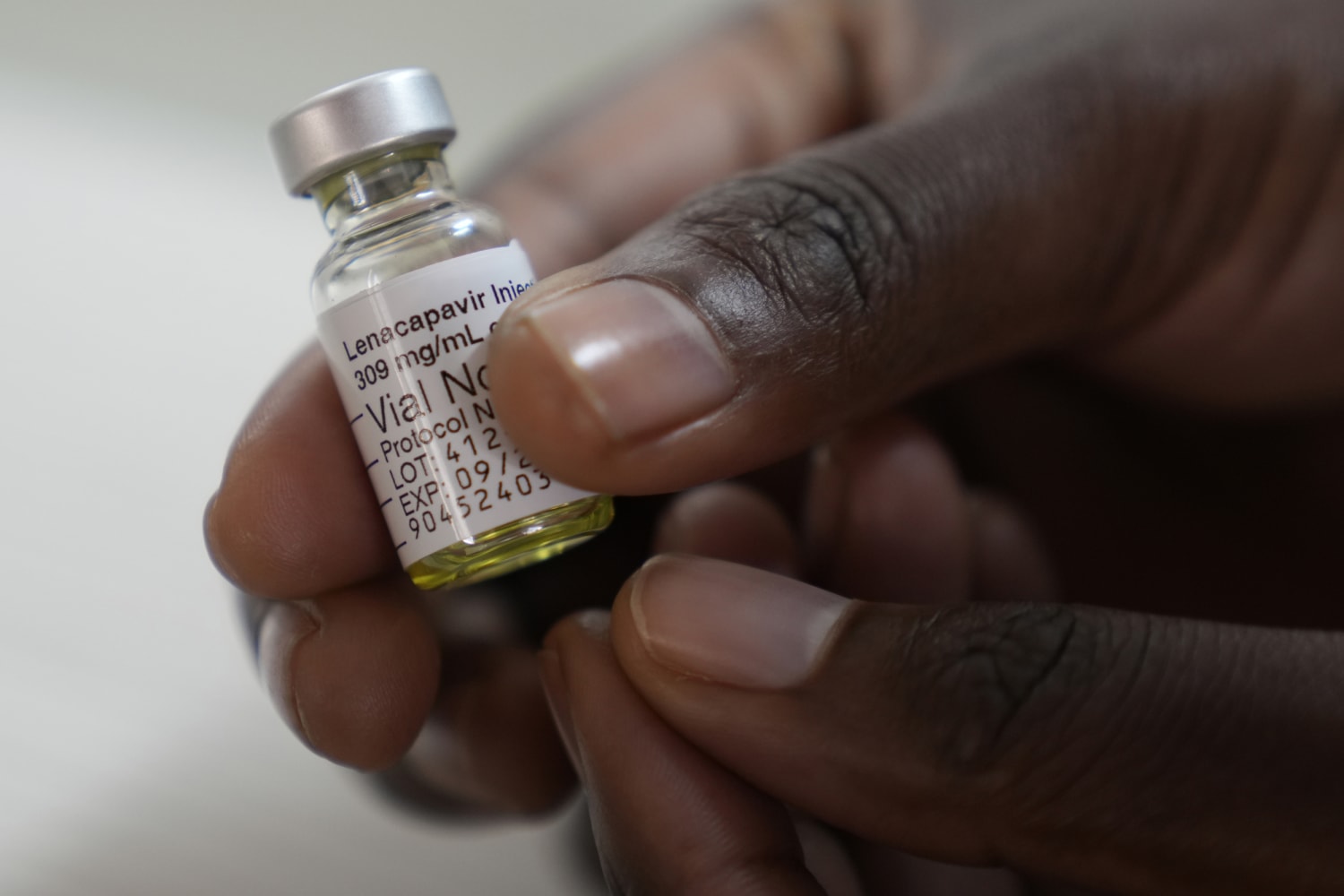
The injection works as pre-exposure prophylaxis (PrEP), delivering six months of protection from HIV in a single dose administered under the skin of the abdomen
Agencies
The U.S. Food and Drug Administration has approved lenacapavir, marketed as Yeztugo by Gilead Sciences, as the world’s first twice-yearly injection for HIV prevention—a move hailed as a major breakthrough in global health. Approved on Wednesday, the long-acting injectable showed 99.9% effectiveness in clinical trials, nearly eliminating new HIV infections among high-risk populations. Gilead CEO Daniel O'Day called the approval a “milestone moment in the decades-long fight against HIV,” adding, “We now have a way to end the HIV epidemic once and for all.”
The injection works as pre-exposure prophylaxis (PrEP), delivering six months of protection from HIV in a single dose administered under the skin of the abdomen. It’s the most durable form of PrEP available, surpassing daily pills and bimonthly shots in both convenience and potential reach.
However, access remains a significant concern. While the shot could revolutionize HIV prevention, public health experts warn that gaps in U.S. healthcare systems, global disparities, and funding cuts could hinder widespread distribution.
“This really has the potential to end HIV transmission,” said Greg Millett, policy director at amfAR, The Foundation for AIDS Research. “But we have gaping holes in the system that make it hard to ensure consistent access.”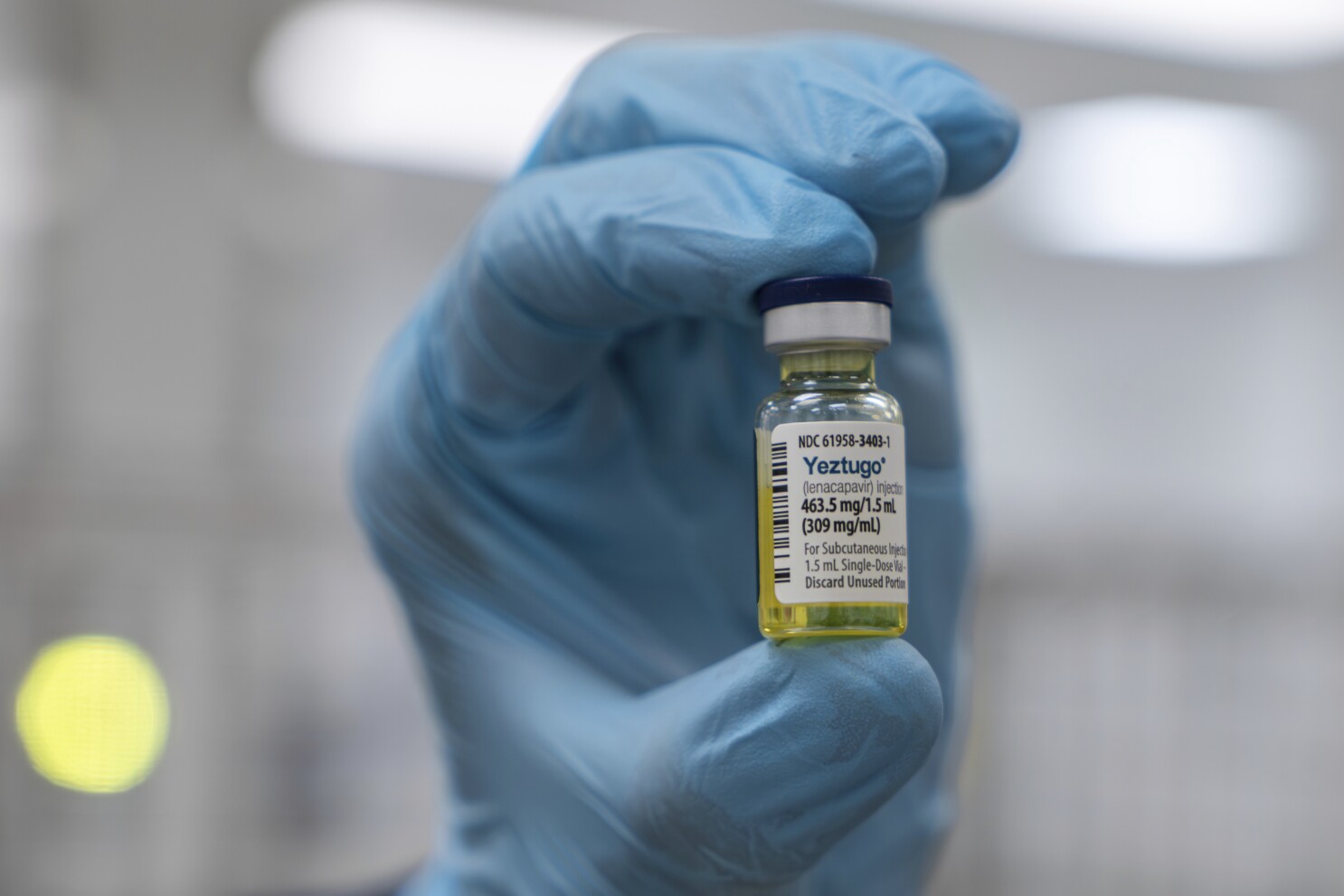
Gilead has priced Yeztugo at $28,218 per year in the U.S. before insurance (101,631,133 or One hundred milliing in Uganda shillings). While private insurers are currently required to cover PrEP without co-pays, that mandate is under legal threat. Congressional proposals to cut Medicaid and the Trump administration’s recent rollback of HIV prevention funding at the CDC further complicate prospects for broad rollout.
The approval also comes amid stalled global progress toward ending the HIV pandemic by 2030. The Centers for Disease Control and Prevention (CDC) reported 31,800 new HIV infections in the U.S. in 2022, while 1.3 million people are infected worldwide each year. Only around 400,000 Americans use existing PrEP options—far below the number who could benefit. Studies have shown that states with higher PrEP uptake have seen declining infection rates, while other regions report increases.
STUDY TRIALS
In trials, lenacapavir outperformed daily pills, particularly among vulnerable populations. A landmark study involving more than 5,300 young women and teenage girls in South Africa and Uganda recorded zero infections among those given the shot, while 2% in the daily pill group contracted HIV.
A second study involving gay men and gender-diverse people across several countries showed similarly high efficacy. Still, experts stress that the approval should not signal the end of vaccine research. Dr. Dennis Burton of Scripps Research warned that recent cuts to HIV vaccine development funding could set the field back by at least a decade. “This is a terrible time to cut funding. We're finally starting to see real progress,” Burton said.
Globally, Gilead has agreements with six generic manufacturers to produce low-cost versions of the injection for 120 low-income countries, primarily in Africa, Southeast Asia, and the Caribbean. The company says it will supply up to 2 million doses at no profit until generics become available.
But middle-income nations, including many in Latin America, are excluded from current access plans, prompting concerns from UNAIDS Executive Director Winnie Byanyima, who warned, “If it’s unaffordable, it will change nothing.”
Winnie Byanyima's full statement: "This is a breakthrough moment! The US FDA has approved lenacapavir, which offers complete protection against HIV with just two injections a year. This milestone is a testament to decades of public investment, scientific excellence, and the contributions of trial participants and communities. I congratulate Gilead Sciences and US partners for advancing this important innovation. Lenacapavir could be the tool we need to bring new HIV infections under control – but "only" if it is priced affordably and made available to everyone who could benefit. UNAIDS has seen research that lenacapavir could be produced for just $40 per person per year, falling to $25 within a year of roll out. It is beyond comprehension how Gilead can justify a price of over 1,000 times that - $28,218. If this game-changing medicine remains unaffordable, it will change nothing. I urge Gilead to do the right thing. Drop the price, expand production, and ensure the world has a shot at ending AIDS."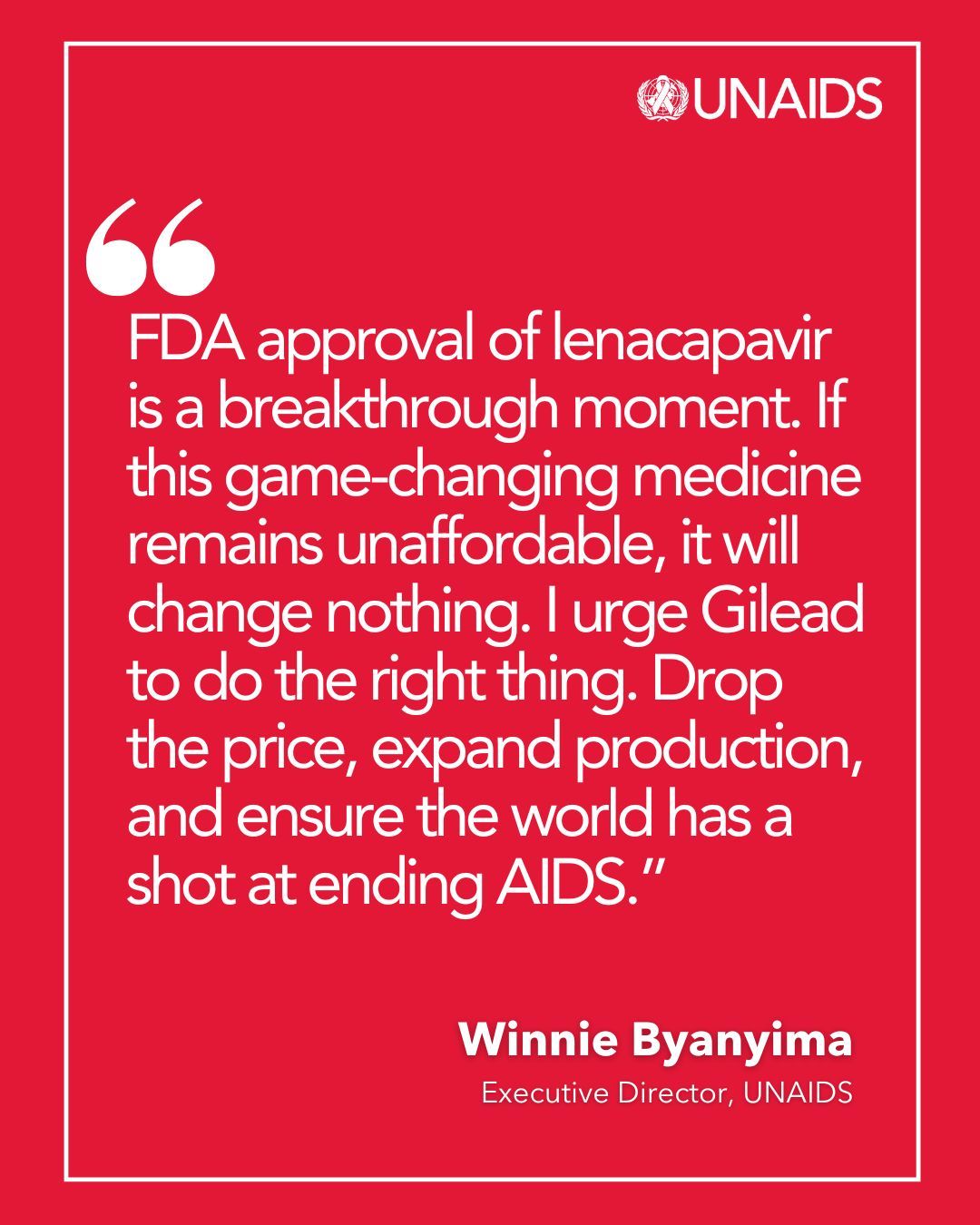
With enormous potential but significant access challenges, Yeztugo could mark a turning point—or a missed opportunity—in the fight to end HIV.
Torch Media Africa



