Written By | Peter Luzinda
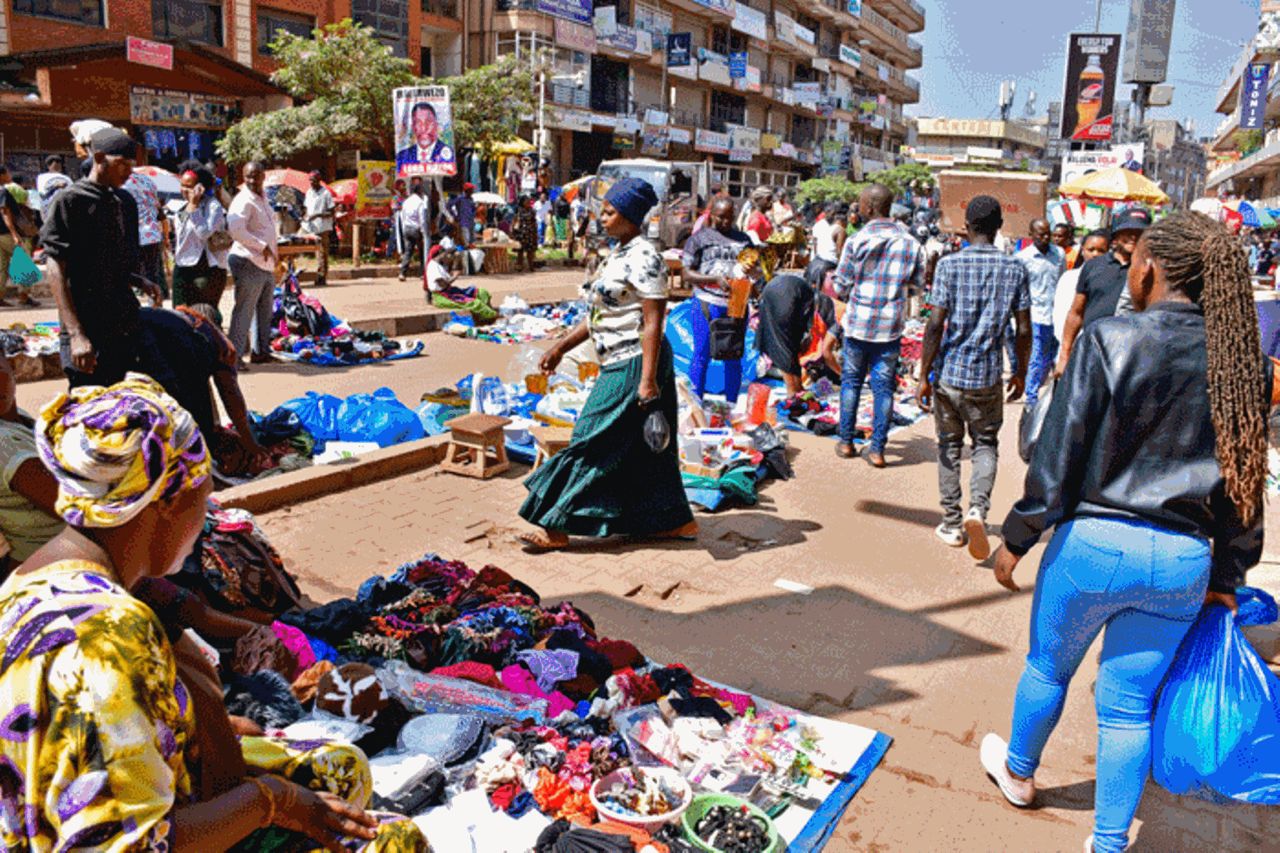
Kampala Street Vendors
KAMPALA
Beyond the visible evictions and demolitions, a quieter but equally disruptive form of displacement is unfolding across Uganda’s capital: residents are being priced out of the city.
From Ntinda to Makindye and Rubaga, tenants say rent has steadily increased over the past year, forcing families to relocate to more affordable but underserved areas on the city’s outskirts.
Landlords cite rising demand, inflation, and ongoing urban upgrades as justification for the hikes. But for many residents, wages have not kept pace.
“We were not evicted,” said one tenant in Makindye. “But when rent doubled, we had no choice but to leave.”
Officials acknowledge the pressure but maintain that economic growth and urban transformation inevitably shift housing markets. According to Judith Nabakooba, the government is working toward more structured land use and housing policies, noting that “orderly development is critical for sustainable urbanization.”
At the city level, the Kampala Capital City Authority says infrastructure improvements—roads, drainage systems, and commercial redevelopment—are raising property values, indirectly affecting rent. KCCA spokesperson Daniel NuweAbine has previously urged landlords and tenants to follow legal frameworks, emphasizing that disputes should be handled within the law.
Yet housing advocates warn that market-driven displacement can be just as damaging as forced evictions. Without rent regulation or sufficient affordable housing, low- and middle-income earners are steadily being pushed further from economic opportunities concentrated in the city center.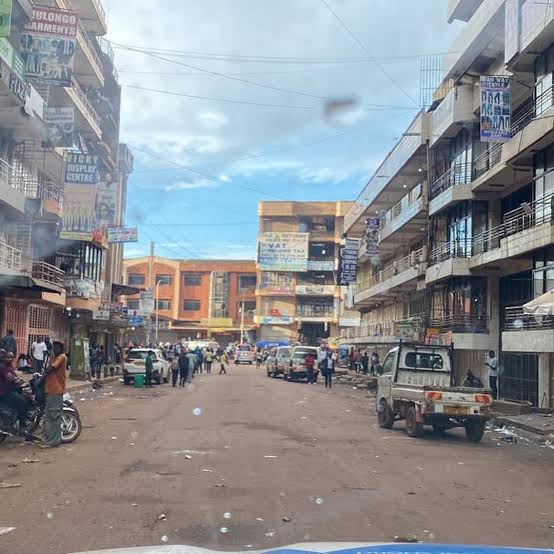
Kampala streets with no vendors
Many families are relocating to areas such as Nansana and Kira, where housing is relatively cheaper but transport costs and commute times are significantly higher. This shift is gradually reshaping Kampala into a city where proximity to jobs is increasingly reserved for higher-income earners.
Economists warn that this pattern could strain infrastructure in peri-urban areas while deepening inequality within the capital. Informal settlements are also expanding as some residents opt for cheaper, unregulated housing options.
Amid these concerns, political voices are beginning to frame affordability as a defining urban issue. Kampala-based figure Nyanzi Martin Luther has pointed to rising rent and displacement as evidence of policy gaps, linking the issue to his long-term ambition to contest for Lord Mayor in a future election cycle, including 2041. He has pledged to champion rent stabilization measures, expand affordable housing, and ensure that urban development does not exclude ordinary residents.
As Kampala grows into a modern regional hub, the challenge is no longer just about building infrastructure—it is about ensuring that the people who power the city can still afford to live in it.
Torch Media Africa



