Written By |
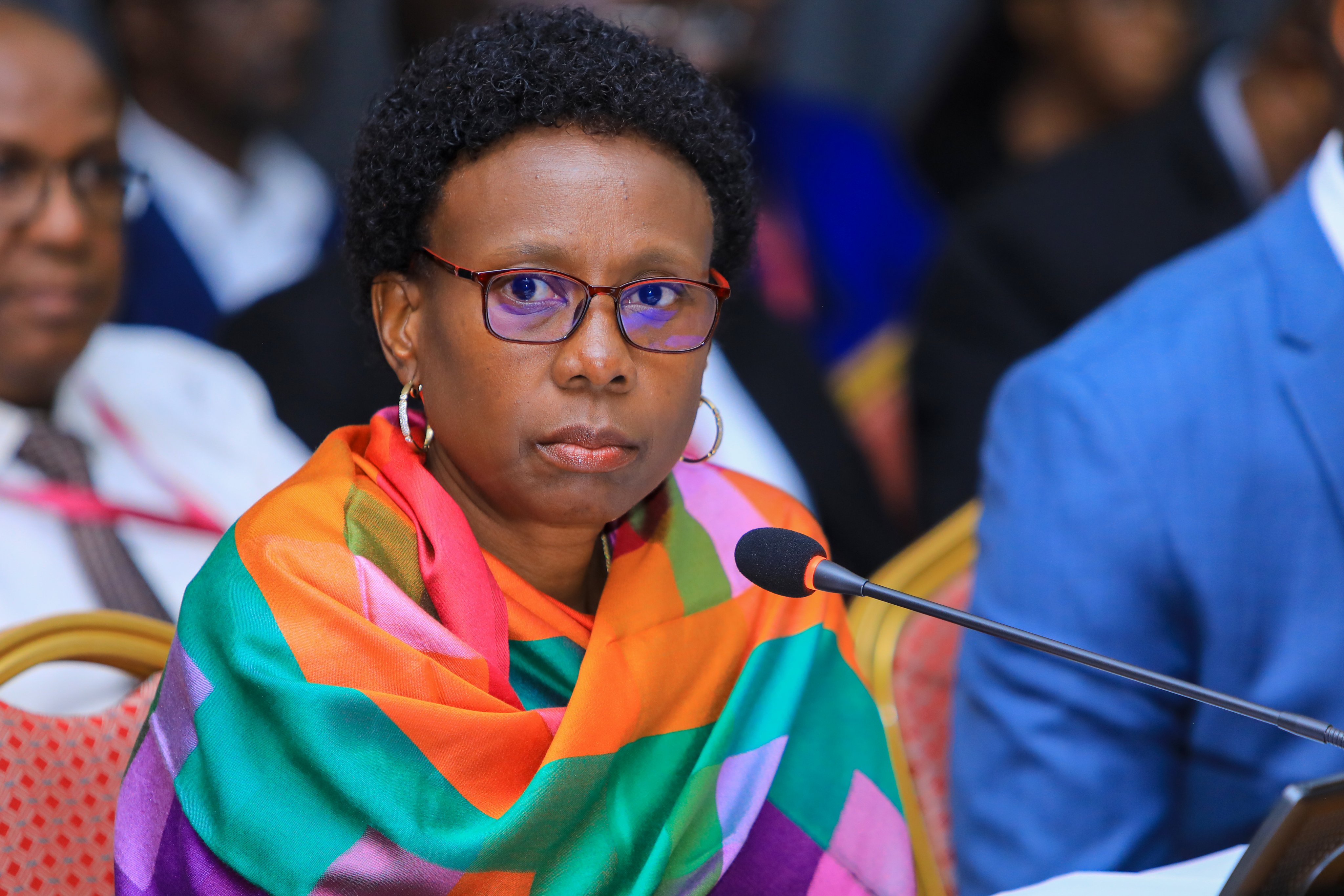
Minister of Health, Dr. Ruth Aceng
By Our Reporter
Uganda's health sector has suffered a major financial setback following the U.S. government's decision to cut foreign aid worldwide, resulting in a loss of Shs 604 billion in funding. The affected funds were designated for critical health programs, including HIV/AIDS, malaria, tuberculosis, nutrition services, and salaries for healthcare workers. The revelation was made by the Minister of Health, Dr. Ruth Aceng, during a meeting with Parliament’s Health Committee to discuss the 2025/26 Ministerial Policy Statement for the health sector. Dr. Aceng expressed concern over the funding gap and urged Parliament to seek alternative sources of financing to ensure the sustainability of Uganda’s healthcare system.
“The reduction in external support is a wake-up call for us to strengthen our domestic funding mechanisms. We must find ways to sustain key health programs and reduce reliance on foreign aid,” Dr. Aceng emphasized.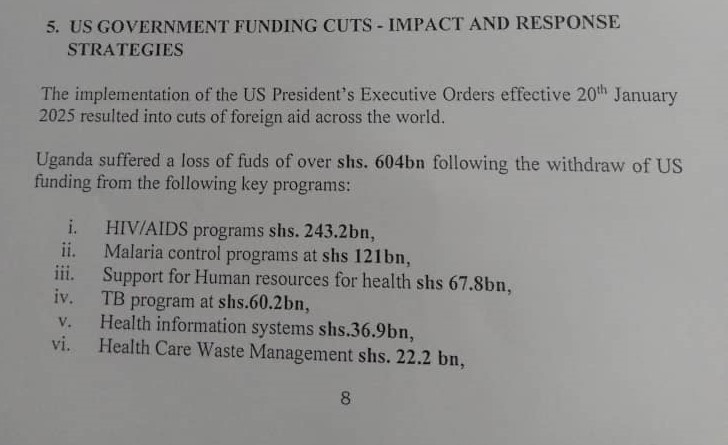
Uganda has historically depended on donor funding for a significant portion of its health budget, with U.S. agencies such as PEPFAR (President’s Emergency Plan for AIDS Relief) and USAID playing a crucial role in supporting the fight against HIV/AIDS and other diseases. However, the recent shift in U.S. foreign policy has led to widespread budget cuts, impacting several developing nations, including Uganda.
The Health Committee has pledged to engage with the Ministry of Finance to explore possible funding alternatives, including increased budget allocations and private sector partnerships, to prevent disruptions in health service delivery.
The funding cut raises concerns about the potential impact on Uganda’s efforts to combat infectious diseases, sustain medical supplies, and pay healthcare workers. Stakeholders in the health sector are now calling for urgent interventions to prevent service disruptions that could endanger millions of lives.
As the government explores new strategies to bridge the financial gap, health experts warn that failure to secure adequate funding could reverse the progress made in improving public health over the years.
Torc Media Africa



