“Bana ya Kongo, fongola miso!”
Children of Congo, open your eyes.
History often teaches a cruel but hopeful lesson: the assassination of great leaders has, in many societies, become the painful price paid for awakening, reform, and irreversible change. The deaths of Abraham Lincoln, Mahatma Gandhi, Martin Luther King Jr., and even Thomas Sankara shook nations into confronting injustice and recalibrating their futures. Yet the Democratic Republic of Congo stands as one of history’s most haunting exceptions. The assassination of Patrice Émery Lumumba—Congo’s first Prime Minister and most profound nationalist—was neither redeemed by reform nor crowned by national rebirth. It marked not a turning point, but the beginning of a prolonged tragedy.
Patrice Lumumba emerged at a moment when colonial domination had hollowed out African dignity while enriching Europe. Belgian rule in the Congo was not merely exploitative; it was deliberately dehumanizing. Forced labor, racial humiliation, and economic plunder defined the Congolese experience. Against this backdrop, Lumumba rose not from aristocracy or military ranks, but from the ordinary people. His power lay in words, ideas, and moral clarity. He spoke of independence not as a ceremonial transfer of flags, but as the reclamation of African humanity.
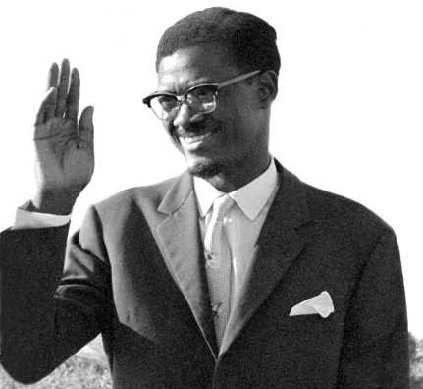
Patrice Lumumba
At the independence ceremony on 30 June 1960, Lumumba shattered colonial comfort with an uncompromising truth. While King Baudouin praised Belgium’s “civilizing mission,” Lumumba spoke of whips, chains, and stolen dignity. That speech was more than defiance; it was a declaration that Congo would no longer accept lies dressed as history. It was also, tragically, his death sentence.
Lumumba stood for national unity in a country deliberately fragmented by colonial design. He rejected ethnic politics, insisting that Congo’s diversity was not a weakness but a strength. He believed political independence was meaningless without economic sovereignty, particularly over Congo’s vast mineral wealth. He advocated Pan-African solidarity, understanding that Africa’s survival depended on collective resistance to neo-colonial domination. Above all, he believed in democratic legitimacy rooted in the will of the people, not foreign approval.
According to Congolese scholar Georges Nzongola-Ntalaja, Lumumba represented a “civic nationalism” that threatened both external imperial interests and local elites who benefited from division. This made him intolerable to many. In the charged atmosphere of the Cold War, Lumumba’s insistence on sovereignty was deliberately misrepresented as communism. His refusal to submit to foreign control over Katanga’s minerals, and his resistance to Congo’s balkanization, sealed his fate.
Lumumba’s assassination was not the act of a single hand but a web of conspiracies. Belgian officials played a direct role in his removal and execution. Congolese political rivals facilitated his arrest. Katangese secessionists carried out the final act. External intelligence agencies watched, approved, and benefited. Historian Ludo De Witte has extensively documented Belgium’s moral and political responsibility, while Adam Hochschild situates Lumumba’s murder within a long tradition of Congo being punished for attempting self-rule.
What distinguishes Lumumba’s assassination from others in world history is not its brutality, but its aftermath. His death did not provoke national reckoning or institutional reform. Instead, it cleared the path for authoritarianism. Mobutu Sese Seko’s long dictatorship, backed by Western powers, entrenched corruption, personalized rule, and systematic looting. The Congolese state became an extraction site rather than a developmental instrument. Violence replaced governance; patronage replaced policy.
Congo missed in Lumumba not only a leader, but a governing philosophy. His vision offered unity instead of fragmentation, institutions instead of strongmen, sovereignty instead of dependency. His successors failed to learn the lessons of his life: that ethnic division invites exploitation; that resource wealth without national control breeds permanent instability; and that foreign guardianship is incompatible with genuine development.
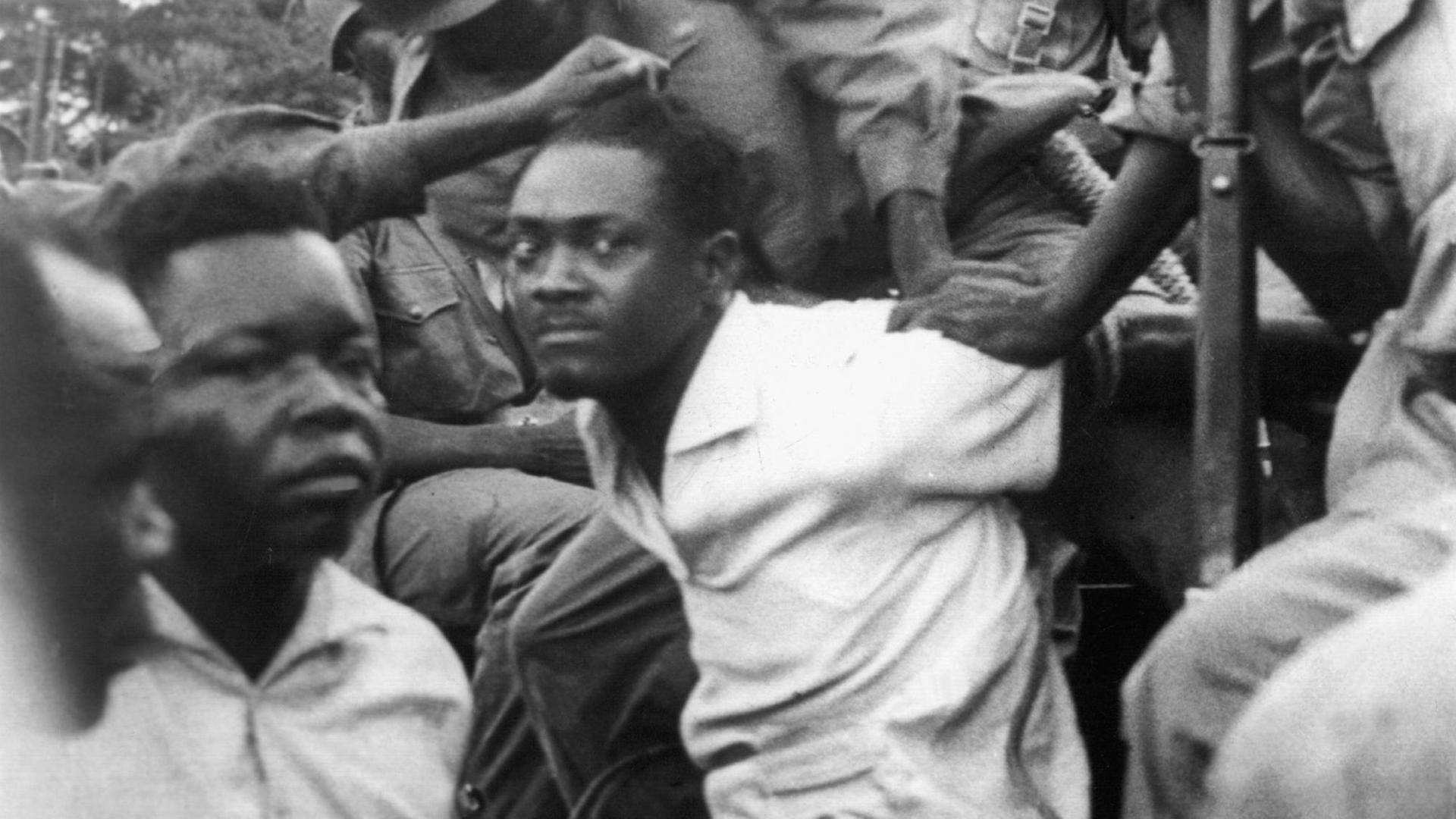
Lumumba was betrayed by his own countrymen
In many nations, the blood of fallen heroes fertilized the soil of reform. In Congo, Lumumba was assassinated at the very birth of the state. There was no time to consolidate institutions or entrench his ideals. His death decapitated the republic before it could learn to walk. The result has been decades of weak institutions, contested legitimacy, armed groups thriving on mineral plunder, and external interference disguised as partnership.
Had Congo’s leaders adopted Lumumba’s principles, the country might today control its minerals through transparent national institutions, invest resource revenues in education and technology, and build an economy that serves its people. Instead, Congo remains rich in resources but poor in outcomes.
Yet Lumumba’s legacy is not entirely lost. It remains a blueprint. Contemporary Congolese leadership can still emulate his insistence on national unity, resource sovereignty, democratic legitimacy, and Pan-African cooperation. Development, Lumumba understood, is not merely technical—it is profoundly political. Dignity is a policy choice.
Patrice Lumumba paid the ultimate price, but Congo never collected the dividend of his sacrifice. His assassination was meant to end a vision; instead, it postponed a future. Until Congo confronts the truth of his life and death, until it chooses sovereignty over submission, his ghost will remain restless.
“Bana ya Kongo, fongola miso.” Open your eyes. Lumumba is not the past. He is Congo’s unfinished liberation—and its unlearned lesson.
---
About the Author
Evan Sande Ndahura is a Ugandan political and legal commentator, columnist, poet, and social justice advocate. His writings focus on governance, constitutionalism, democracy, and the political economy of power in Africa, with particular emphasis on judicial accountability, electoral justice, human rights, and institutional reform. Writing from a Pan-African critical perspective, he interrogates the failures of state institutions and the lived realities of ordinary citizens under entrenched systems of power. He believes that the liberation of Africa will come through the mighty pen, not the gun.
Published By |