Uganda's Military Widens Crackdown on Government Critics as Media Siege Drags On
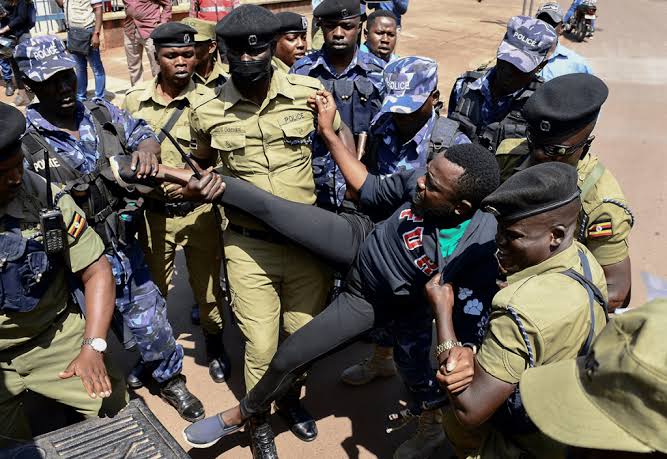
Uganda is in the middle of one of its sharpest confrontations between the military and civil society in years. Since mid-June, security forces have seized at least five prominent government critics, held them incommunicado, and in several cases funneled them into prosecutions on vague charges such as "promoting sectarianism." At the same time, the country's largest independent media company, Nation Media Group (NMG), has spent three weeks under military siege after the head of the armed forces personally ordered its television, radio and newspaper operations shut down. Together, the two developments have become the dominant story in Ugandan politics this week, drawing a pointed rebuke from Human Rights Watch on July 16 and intensifying concerns about the trajectory of the country's democracy less than a year removed from a contested general election.
What is happening
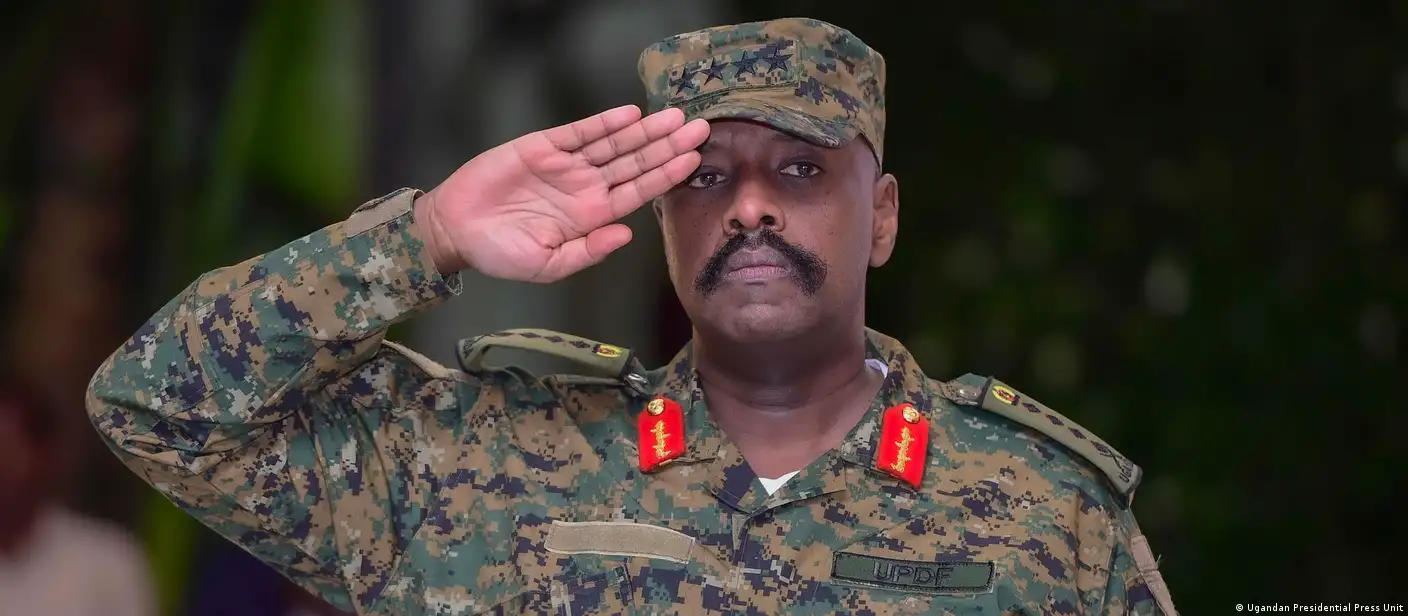
The clearest flashpoint is the siege of NMG, publisher of the Daily Monitor, operator of NTV Uganda, Spark TV and Dembe FM, and part-owner of The EastAfrican and Business Daily. At midnight on June 28, operatives from the Uganda People's Defence Forces (UPDF) raided NMG's premises and forcibly halted its broadcast and print operations. The order came from General Muhoozi Kainerugaba, the Chief of Defence Forces and son of President Yoweri Museveni, who has been unusually candid about his role. In a series of posts on X, Kainerugaba said he does not believe in a free press and asserted that he has the authority to close any media house he chooses. NMG has said the shutdown has left more than 1,100 employees without work, and many have described being harassed online since the closure began. As of this week, Kainerugaba has said he is in talks with Andrew Mwenda — a veteran journalist and leader of the pro-government Patriotic League of Uganda — about a possible reopening, though no date has been set and NMG's flagship outlets remain dark.
The media shutdown is only part of a broader pattern Human Rights Watch documented in its July 16 report, "Uganda: Military Seizing Government Critics." The rights group found that security forces have unlawfully seized at least five critics of Museveni and Kainerugaba since mid-June, holding them incommunicado before handing them to prosecutors on what HRW characterizes as bogus charges. Among the cases: Muwanga Kivumbi, deputy president of the opposition National Unity Platform (NUP), was seized by armed soldiers — some in uniform, others in plain clothes — at a roadblock on the outskirts of Kampala on July 11. Miria Matembe, a prominent activist and long-time government critic, was detained by soldiers in Kampala on June 28, held for two days at an undisclosed location, then charged with "promoting sectarianism" and released on bail the next day. A third case, that of Andrew Nabimanya, involved soldiers taking him from a Kampala restaurant on June 17 to an unknown location, where he says he was held for five days, undressed, photographed, had blood drawn, and warned against posting "anti-government" material online.

Background and context
The crackdown follows months of tightening pressure on civic space. In January, the government indefinitely suspended at least ten non-governmental organizations, including human rights groups, other media outlets and election-monitoring bodies. In May, Museveni signed the Protection of Sovereignty Act into law, a measure that imposes sweeping controls on foreign funding for civil society groups — a tool rights advocates warn can be used to choke off organizations seen as unfriendly to the government. Uganda held a general election earlier this year that returned Museveni to office for a further term after 35 years in power; the vote was marred by fraud allegations and violence, and opposition figures — including exiled leader Kizza Besigye's legal team — have described their operations as disrupted, with lawyer Martha Karua barred from entering the country and Kampala lawyer-politician Erias Lukwago reportedly abducted before being charged. Opposition figurehead Bobi Wine has also featured in recent reporting as being "on the run" while an ally faces arrest over election-related violence.
Who the main players are
At the center of the crackdown is Muhoozi Kainerugaba, whose consolidation of power as UPDF chief and increasingly overt political ambitions have unsettled observers both inside and outside Uganda. His father, President Museveni, remains the ultimate authority but has largely let his son's actions against the press and opposition stand. On the other side are Uganda's opposition parties, chiefly the National Unity Platform led by Bobi Wine, along with a loose network of civil society organizations, journalists and independent commentators who have increasingly become direct targets rather than incidental casualties of state pressure. Human Rights Watch and other international rights monitors are now playing a more visible role in documenting individual cases, naming detainees and pressing the government publicly to account for them.
Why it matters
The dual crackdown — on media institutions and on individual critics — marks an escalation from earlier, more diffuse forms of pressure such as licensing disputes or selective prosecutions. Shutting down Uganda's largest independent news organization removes a primary check on government messaging during a period when the country is also navigating local council elections. The pattern of soldiers, rather than police, carrying out seizures — often without uniforms, without warrants, and followed by incommunicado detention — signals a shift toward using military rather than civilian law enforcement against domestic political dissent, which rights groups say erodes due process protections guaranteed under Uganda's constitution. For ordinary Ugandans, the closure of NMG outlets also means the loss of a major source of independent reporting on government conduct at a moment when that scrutiny arguably matters most.
What to watch next
Several threads are worth tracking in the coming days and weeks. First, whether the Kainerugaba–Mwenda talks produce an actual reopening of NMG's operations, and on what terms — a negotiated return under conditions set by the military chief would itself be a significant marker of how much editorial independence the outlet retains. Second, whether Human Rights Watch's naming of specific detained individuals prompts any formal government response, investigation, or release of those still held. Third, Uganda's Electoral Commission has scheduled nationwide Local Council (LC1) elections for July 28, 2026 — the first in years — and how the security climate around press freedom and opposition treatment evolves in the run-up to that vote will be an early test of whether the current crackdown is a temporary flashpoint or a durable shift in how the state manages dissent. Finally, international reaction — from regional bodies, Western governments, and press freedom organizations — could shape whether there is any external pressure brought to bear on Kampala beyond statements of concern.
Published By | News Editor