Written By | Peter Luzinda
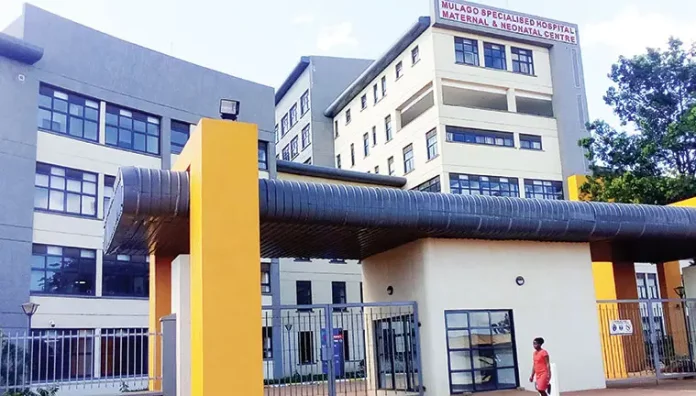
Mulago Specialised Women and Neonatal Hospital [File: Courtesy]
KAMPALA
Parliament has learned that Mulago Specialised Women and Neonatal Hospital is operating without a resident surgeon and eye specialist, a gap that is forcing medical staff to transfer newborns to other facilities for critical care, exposing them to health risks.
The revelation was made by Dr. Sam Ononge, Acting Executive Director of Mulago Specialised Women and Neonatal Hospital, while appearing before the Public Accounts Committee (PAC) to respond to queries raised in the Auditor General’s report.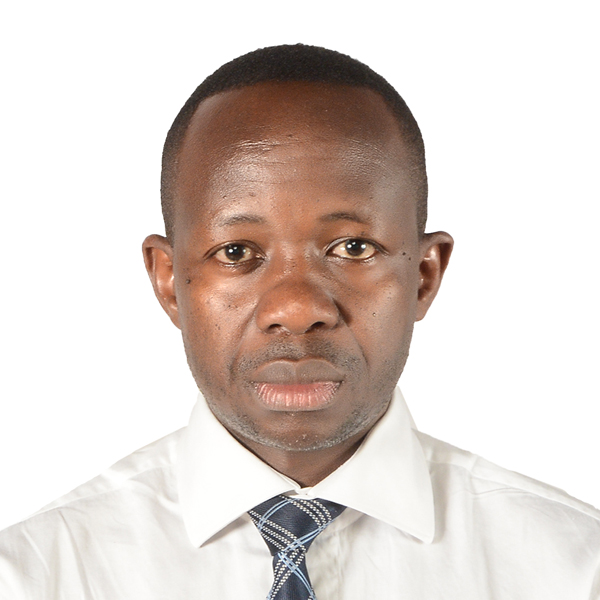
Dr. Sam Ononge
Dr. Ononge told legislators that the absence of a surgeon has compelled the hospital to refer infants in need of surgical intervention to Mulago National Referral Hospital and other specialised centres.
“Currently, we don’t have a surgeon. So, any baby who requires surgery has to be moved to the main Mulago Hospital, and that requires a lot of coordination,” he said.
He warned that transferring newborns, especially those in critical condition, exposes them to serious risks, including infections and complications arising from temperature changes.
“If we had our own doctor within the hospital, that movement would be reduced. Moving a tiny baby who has just been delivered carries risks of infection and cold, and in some cases, you may lose that baby,” Dr. Ononge added.
He further noted that babies born with congenital heart conditions are referred to the Uganda Heart Institute for specialised care.
Members of Parliament expressed concern over the situation, with Basil Bataringaya (Kashari North) describing the lack of a surgeon at a specialised facility as unacceptable.
“I am concerned about the lack of surgeons in this specialised unit. There is no way you can provide comprehensive medical services without surgical capacity,” Bataringaya said.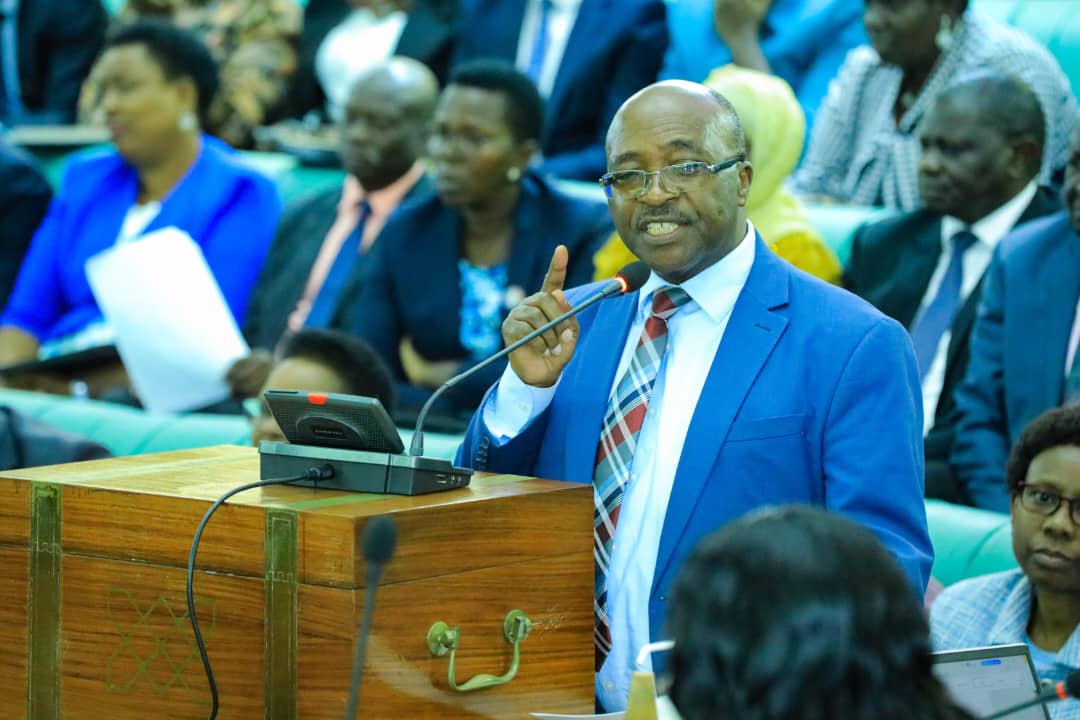
Basil Bataringaya
He called on government to prioritise recruitment of specialised medical personnel at the hospital.
“I appeal that during the budgeting process, we focus on ensuring that the hospital is supported to recruit surgeons so that these services are available on-site,” he added.
Dr. Ononge also highlighted the absence of an eye specialist, which he said is critical for screening premature babies for eye conditions that could lead to blindness if not detected early.
He explained that neonates, particularly those born before 32 weeks, require specialised eye examinations, but due to the shortage, the hospital is forced to transport them to private facilities such as Mengo and Nsambya hospitals.
“We do not have a specialist to examine these babies’ eyes. So, on specific days, we transport them to Mengo and Nsambya for check-ups and then bring them back,” he said.
He cautioned that delays in such screenings can result in irreversible damage.
“When intervention is delayed beyond a certain period, the child may survive but end up blind, which is a lifelong disability,” Dr. Ononge added.
The Vice Chairperson of the Public Accounts Committee, Gorreth Namugga, described the situation as alarming, citing her personal experience with neonatal care.
Namugga revealed that her second child was admitted to the facility after being born weighing just one kilogram, giving her firsthand insight into the challenges faced in the neonatal unit.
“For some of us who have gone through it, we understand what it means. The nurse-to-baby ratio is overwhelming, and the pressure on staff is immense,” she said.
Gorreth Namugga
She emphasised the emotional and medical toll on families, noting that many parents invest years of hope in childbirth.
“Some babies are extremely tiny—sometimes as little as 500 grammes—but they are invaluable to their families. Losing such a child is devastating,” Namugga said.
She stressed the need for comprehensive staffing, including surgeons and eye specialists, to improve neonatal care outcomes.
“When we talk about adequate staffing in neonatal units, it includes surgeons and specialists to handle conditions like the 45 percent of babies who have eye-related challenges,” she added.
The committee is now urging government to address the staffing gaps at the facility to ensure that specialised maternal and neonatal services are effectively delivered without unnecessary referrals.
Torch Media Africa



