Written By | Doreen Nuwagaba
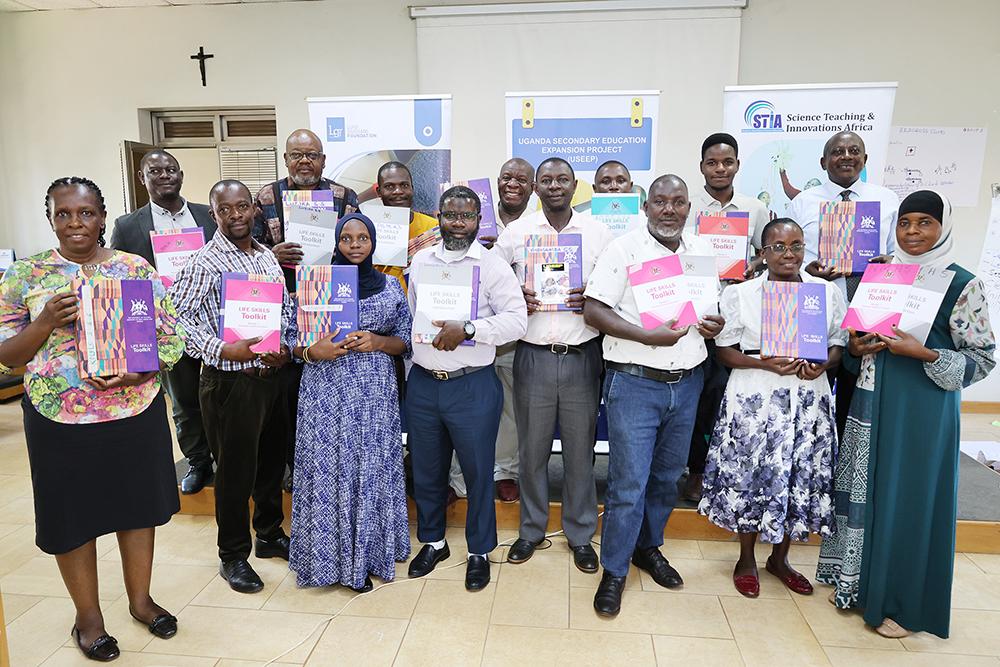
Some of the trainees representing their schools
LUZIRA, KAMPALA
Science Teaching and Innovations Africa (STIA), in partnership with Luigi Giussani Foundation (LGF) and with support from the Ministry of Education and Sports (MoES), has extended Life Skills training to teachers from secondary schools in Central Uganda under the Uganda Secondary Education Expansion Project (USEEP).
The three-day training, held from August 25–27, 2026, at the Luigi Giussani Foundation offices in Luzira, brought together 33 teachers from 11 secondary schools. Each school was represented by a Senior Man, Senior Woman and Club Patron, who play key roles in student welfare, guidance, discipline and extracurricular activities.
The training is being implemented under USEEP Subcomponent 1.2: Ensuring Safe and Protected Children, which seeks to strengthen child protection systems and promote safe, inclusive and learner-friendly school environments.
The programme equips teachers with practical competencies to help learners navigate challenges such as bullying, violence, abuse, peer pressure and other social and personal pressures. It also focuses on developing learners' self-esteem, resilience, communication, teamwork, empathy, critical thinking, leadership, decision-making and problem-solving skills.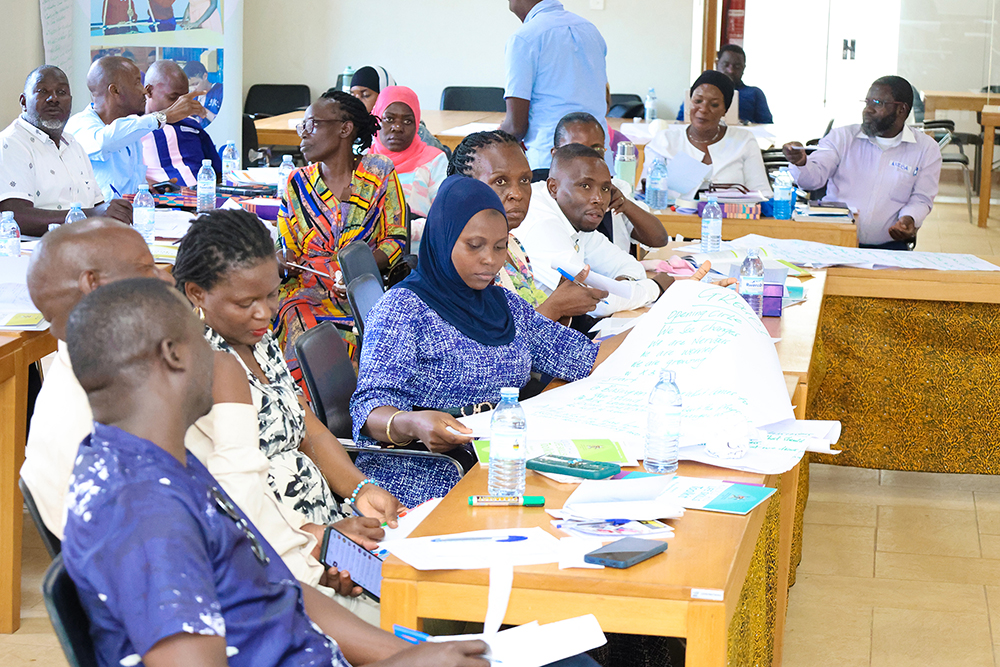
Teachers undergoing training
Speaking during the training, Rosette Nanyanzi, a Gender Advisor in the Ministry of Education and Sports' Gender Unit, emphasised the importance of equipping teachers with life skills because of their close and continuous interaction with learners.
"Who is that person that is close to this young person? It is the teacher," Nanyanzi said, stressing the need for teachers to have the competencies required to identify and respond to challenges affecting adolescents.
She noted that young people are increasingly influenced by peers, television and social media, making it important for teachers to understand adolescents and provide appropriate guidance and support.
"You cannot give what you don't have," she said, emphasising that teachers must first develop the competencies they are expected to impart to learners.
The training uses the Ministry of Education and Sports' Life Skills Toolkit, which provides structured lessons and practical exercises for developing essential competencies among young people.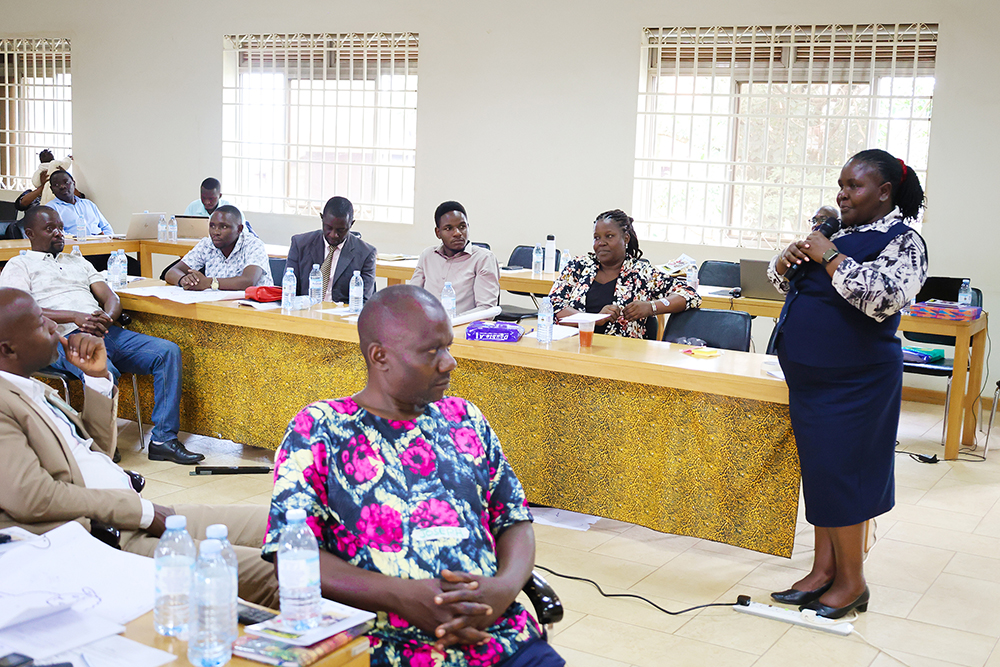
Standing: Rosette Nanyanzi from Ministry of Educcation and Sports - Gender department
The training adopts a participatory approach involving interactive presentations, group discussions, case studies, role plays, practical demonstrations, experience sharing and action planning.
National Life Skills Trainer Joy Mukisa encouraged teachers to use practical activities when delivering the toolkit rather than relying solely on classroom instruction.
"Let the adolescents do group work and present the work as suggested. Through the group work, they will learn, for example, teamwork and expression," she said.
Mukisa noted that life skills are valuable not only to adolescents but to people of all ages.
"Once we have understood the competencies, adolescents become better students; understanding competencies makes better teachers and better parents," she said.
She also cautioned teachers against rushing through the toolkit's lessons, urging them to follow the recommended activities and exercises closely.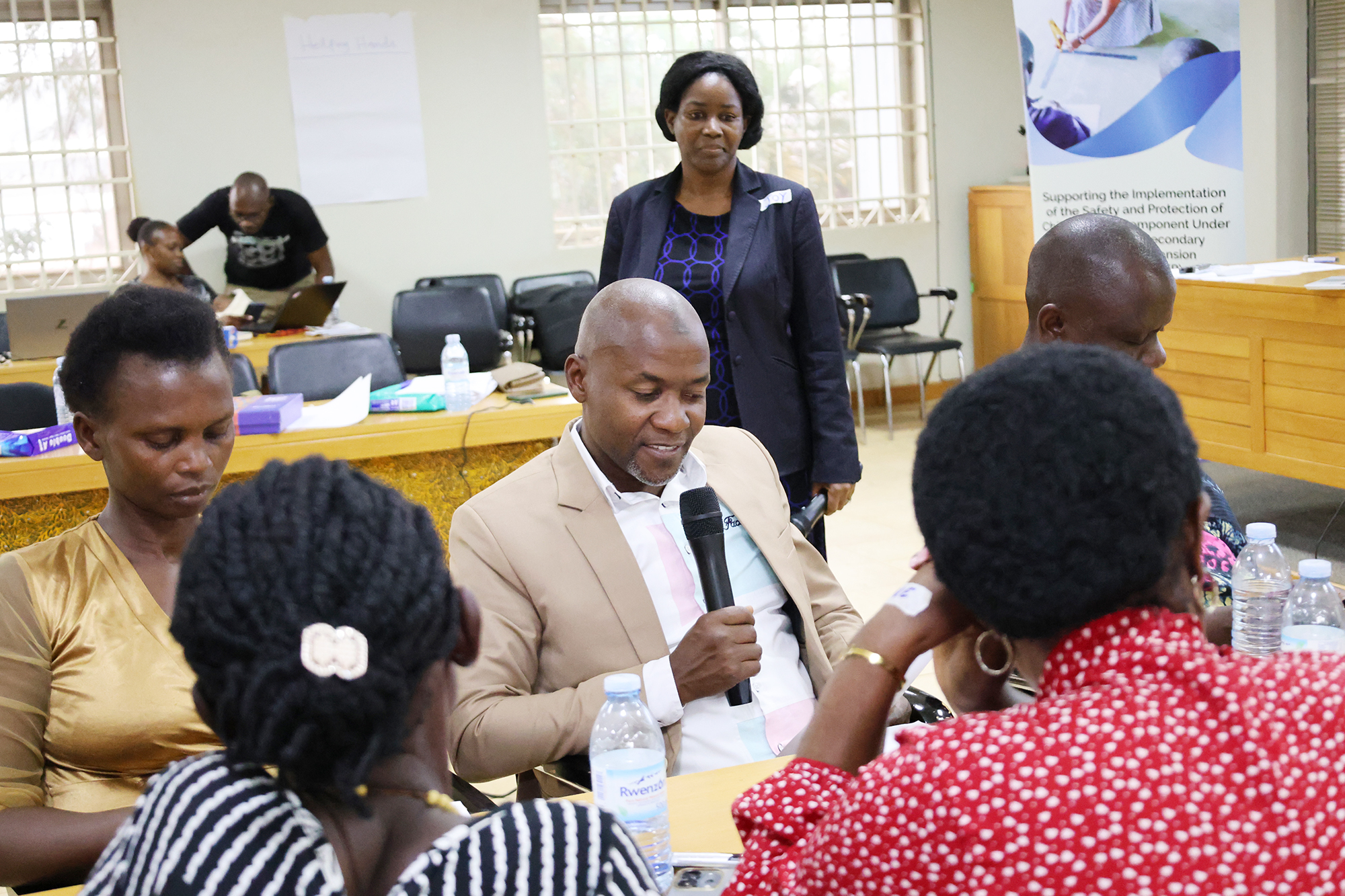
Joy Mukisa Ntege, standing leads the training
Co-trainer Pamela Namugobe similarly emphasised that competencies such as cooperation and teamwork are best developed through practical engagement rather than classroom instruction alone.
The training follows a cascade approach, through which participating teachers are expected to transfer the knowledge and skills gained to learners in their respective schools through classroom sessions, clubs, assemblies, mentorship programmes and peer-support initiatives.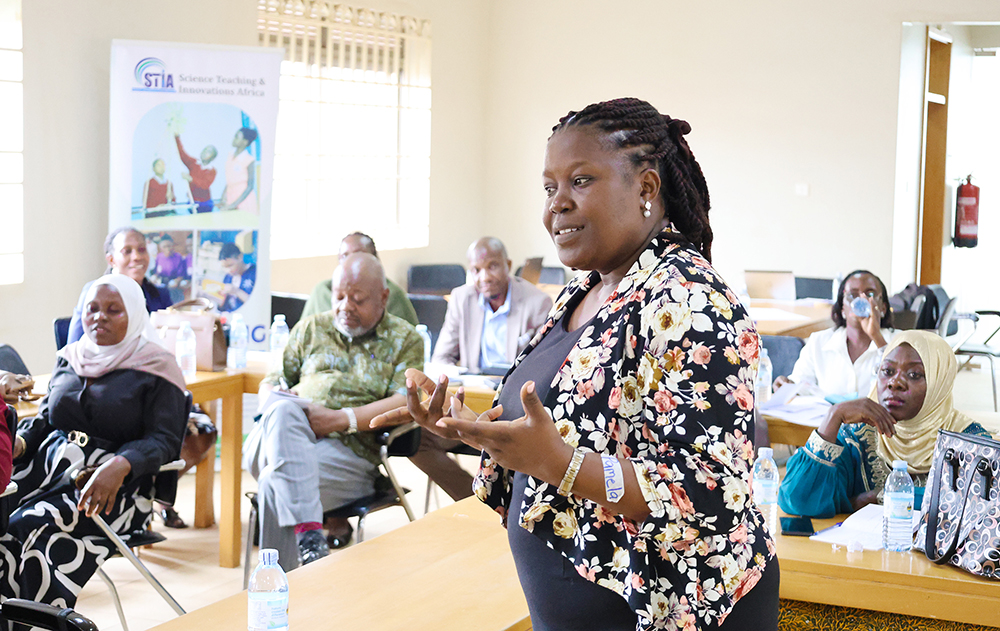
Pamela Namugobe, Life Skills Trainer
According to Timothy Murungi, LGF Communication Officer, the programme officers will continue working with schools to strengthen teachers' capacity to institutionalise life skills development among learners.
"Our USEEP programme officers will continue to work in 116 schools to train and develop the capacity of teachers to institutionalise life skills development among learners. LGF and STIA support 116 schools in 65 districts across the country under USEEP," Murungi said.
For participating teachers, the training provided an opportunity to reflect on the importance of addressing learners' personal and social development alongside academic performance.
Waladde Abdulatif, a teacher at Kansanga Seed Secondary School, described the training as transformative and said it had inspired participants to become agents of soft skills development in their schools.
"Most times teachers focus on academic performance in schools but forget life skills, which are actually fundamental for anyone to be successful in life," he said.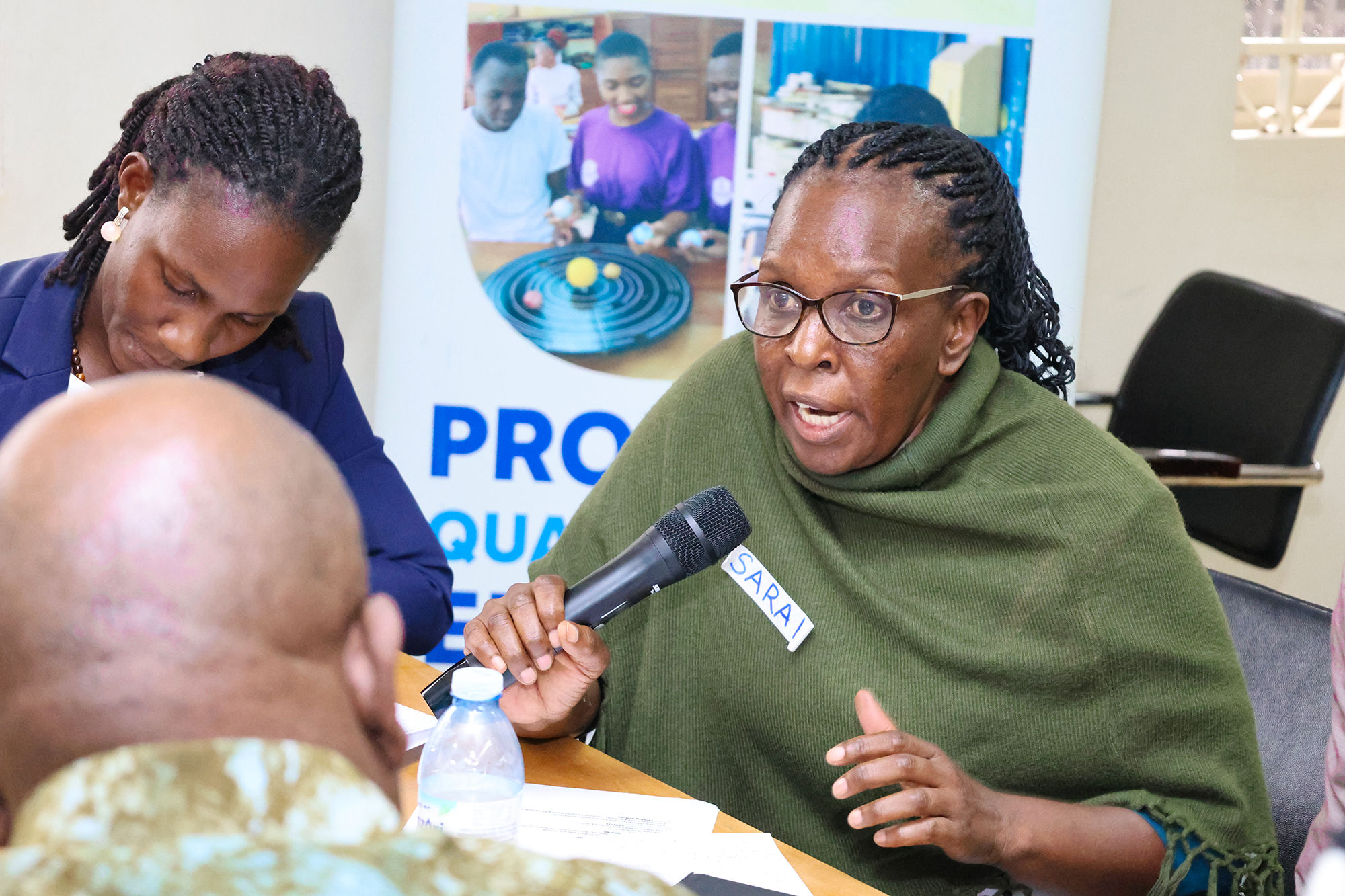
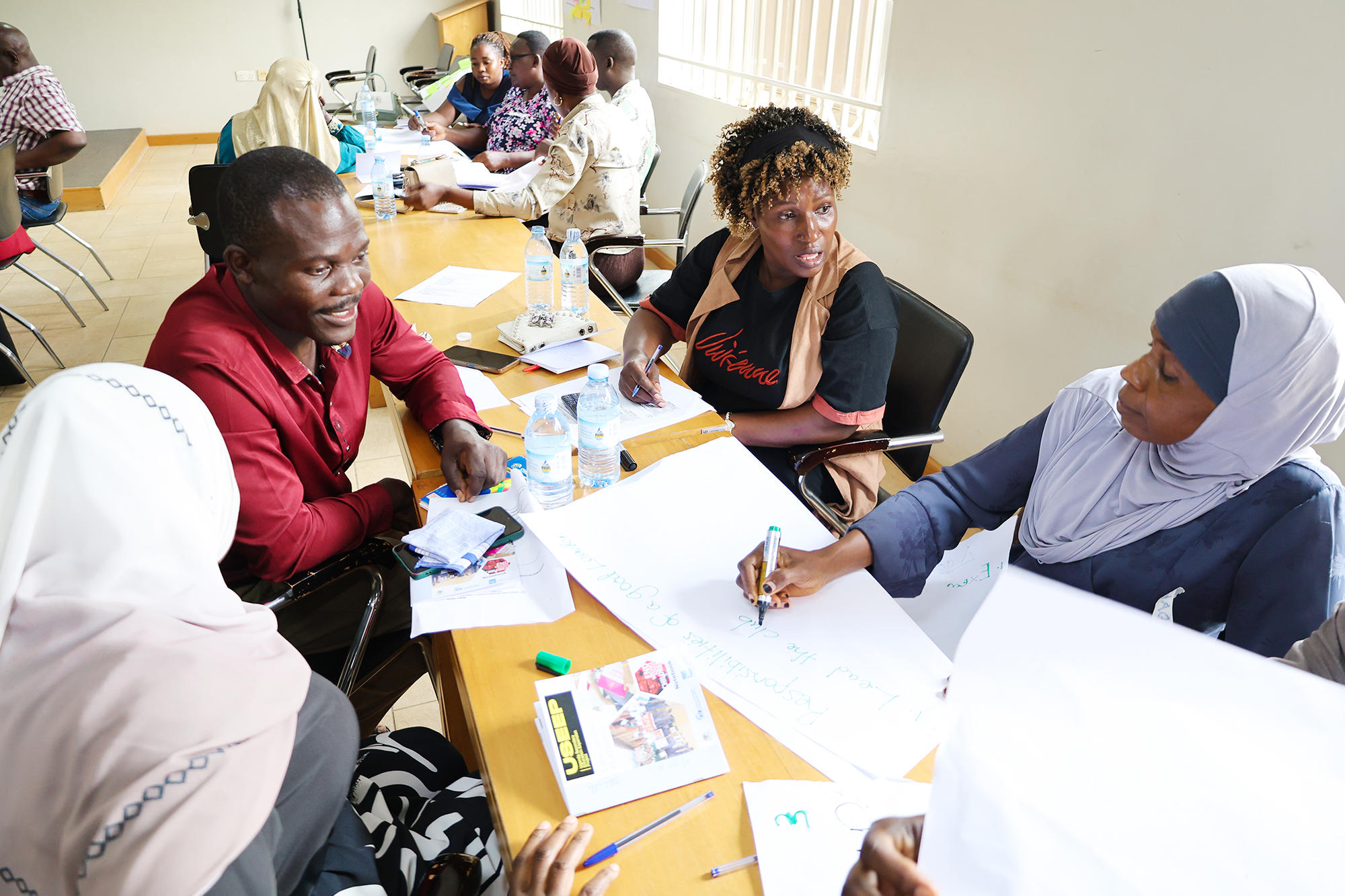
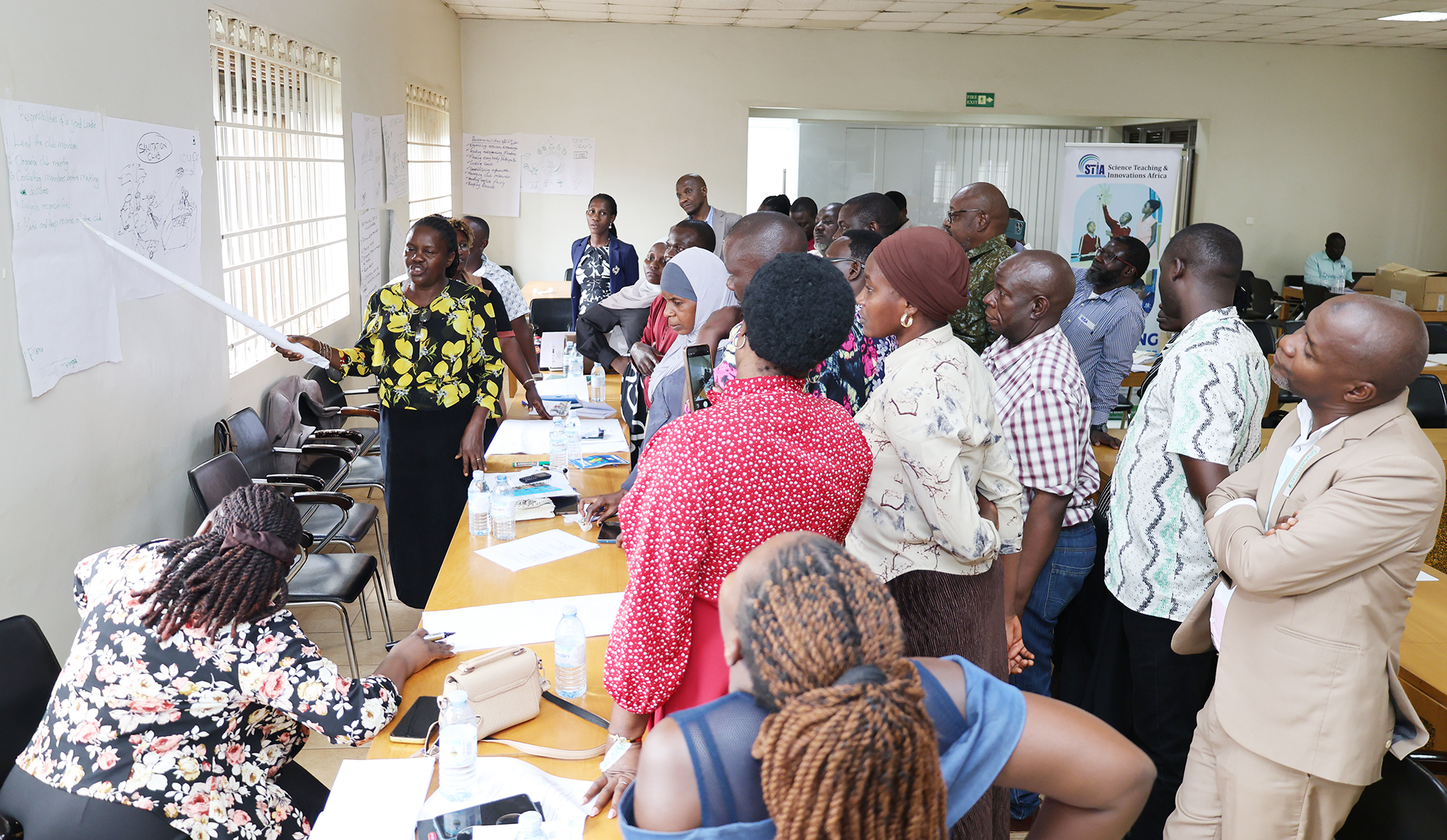
Some of the teachers participating in training
The participating schools included Mackay Memorial S.S.S Nateete, Kansanga Seed Secondary School, St Denis Sebugwawo-Ggaba, St Peters S.S. Kibiri, Nateete Muslim High School, Kololo High School, Kololo SSS, Kyemamba Seed Secondary School, Luzira SSS, Upper Prisons Inmates SS-Luzira and Kampala High School.
Through the continued rollout of Life Skills training, STIA, in partnership with LGF and MoES, aims to strengthen school-based child protection and student support systems while contributing to safer, more inclusive and supportive learning environments.
The initiative will also help prepare learners with the personal and social competencies needed for responsible citizenship, employment, entrepreneurship and lifelong success.



