Written By | Fashion and Design Desk
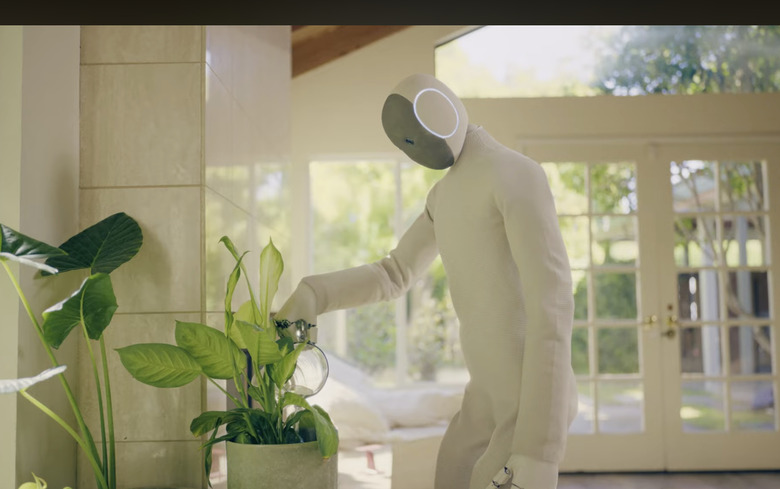
1X Technologies says it has finally solved humanoid robotics' hardest design problem — and it's betting its $20,000 home robot Neo on hands that can crack an egg without crushing it
SAN FRANCISCO
For all the breathless coverage of humanoid robots over the past few years — the backflips, the warehouse demos, the eerie human-mimicking walk cycles — the industry has quietly agreed on an inconvenient truth: legs are easy. Hands are the problem. A robot that can climb stairs but crushes a wine glass reaching for it isn't a product; it's a liability. This summer, Norwegian robotics company 1X Technologies unveiled what it argues is the design breakthrough that finally closes that gap, and the bet is big enough that the company is staking its entire consumer robot, Neo, on it.
The new hand, revealed as part of 1X's push toward shipping Neo to early household customers, packs 25 degrees of freedom — roughly matching the range of motion in a human hand — built around an in-house tendon-driven system engineered from scratch in California. Demo footage shows the hand pouring tea, zipping a jacket, sorting grapes by ripeness, cracking an egg without shattering the shell, and even forming basic shapes in sign language. According to 1X, the hand delivers human-level grip strength at roughly three times the force output of competing humanoid hand designs currently on the market.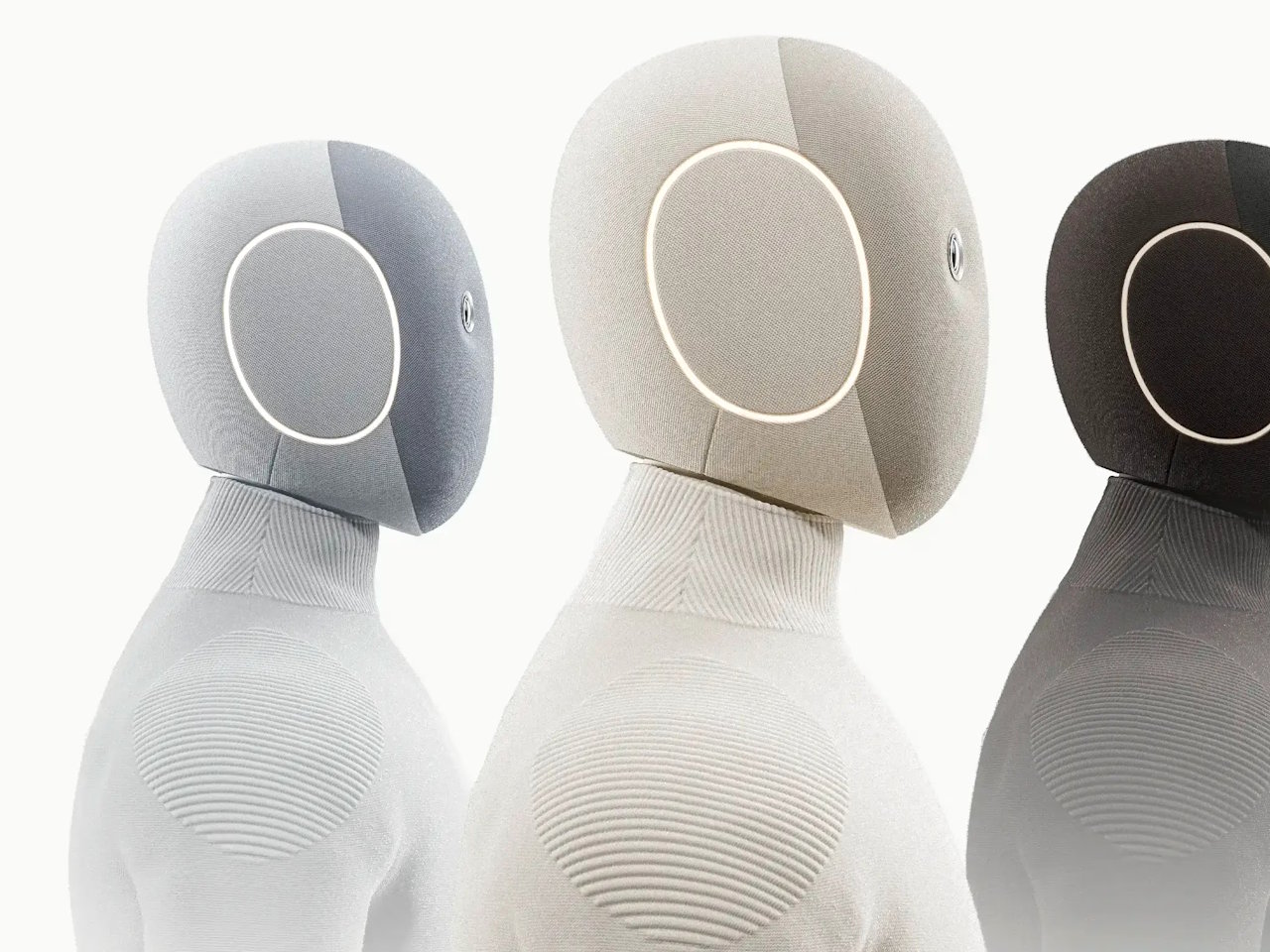
Why the Hand, Not the Robot, Is the Real Product
It's easy to think of a humanoid robot as a single engineering achievement, but roboticists have increasingly come to see it as a stack of separate, brutally hard problems, and hands sit at the top of the difficulty list. A hand needs enough joints to manipulate irregular household objects, enough tactile feedback to modulate force in real time, enough durability to survive years of daily use, and enough affordability to fit inside a consumer product that doesn't cost more than a car. Most humanoid robotics companies have shipped simplified grippers — two or three rigid digits, adequate for warehouse pallets, useless for a dish towel or a shoelace.
1X's approach leans on force-controlled joints paired with fingertip tactile sensors that read pressure in real time, allowing Neo's hand to adjust its grip mid-motion the way a human unconsciously does when picking up something fragile versus something sturdy. "Our goal was never a hand that just looks impressive on paper," said 1X CEO Bernt Børnich. "These hands are the culmination of intensive engineering focused on making humanoids truly useful." That framing is deliberate: 1X has positioned Neo not as a research showcase or an industrial tool, but as a home appliance, and appliances live or die on whether they reliably do the boring, fiddly tasks people actually want off their plate — folding laundry, loading a dishwasher, tidying a countertop.
The Home Robot Race Gets a Design Answer
Neo has been positioned since its unveiling as one of the most consumer-facing entries in the humanoid robotics field, in a category otherwise dominated by industrial and warehouse-oriented machines from companies like Tesla and Figure. It's available for preorder at roughly $20,000, or as a subscription starting around $499 a month with a six-month minimum — a pricing structure clearly aimed at treating the robot more like a high-end smart-home purchase than an enterprise contract. Børnich has been cautious about locking in an exact shipping date but has repeatedly said the company intends to deliver Neo units to early customers before the end of 2026.
That timeline puts enormous pressure on the hand design to actually work outside a controlled demo environment. Robotics engineers who've watched the humanoid field mature over the past several years note a recurring pattern: dazzling stage demonstrations followed by long, quiet stretches of hardware iteration once robots meet the genuine chaos of unstructured environments — cluttered counters, oddly shaped objects, kids' toys left on the floor, pets in the way. A tendon-driven hand with 25 degrees of freedom is mechanically sophisticated, but sophistication also means more failure points: more tendons to fray, more joints to recalibrate, more software complexity translating tactile sensor data into appropriate grip force on the fly.
What This Means for You
Whether or not you have any interest in owning a $20,000 robot, the hand design 1X just revealed matters to a much larger design conversation happening right now: what does it actually take to build a machine that can safely operate inside a home, around children, pets and breakable objects, without a warehouse's controlled predictability? That question sits at the center of consumer robotics, assistive technology for aging or disabled users, and even prosthetics research, all of which draw on the same underlying dexterity problems 1X is trying to solve.
For design and product watchers specifically, Neo's hand is also a useful case study in a broader shift happening across the tech industry: the move away from treating "robot" as a single monolithic design challenge and toward treating it as a set of discrete component problems, each demanding its own dedicated engineering team, iteration cycle and design language. The hand at the end of Neo's arm has, in effect, become its own product within the product — engineered, marketed and demoed almost independently of the rest of the robot's body.
The Skepticism Worth Keeping
None of this guarantees Neo will work as advertised once it reaches actual living rooms. The humanoid robotics field has a well-earned reputation for polished demo reels that don't always survive contact with messy real-world conditions, and 1X has not yet published independent third-party testing of the hand's durability or reliability over extended household use. Grip strength three times a competitor's is a compelling marketing claim; whether it translates into a robot that can be trusted, unsupervised, around a toddler's fingers or a family dog is a separate and much higher bar.
Still, the design ambition here is notable regardless of how the product performs commercially. For years, the humanoid robotics conversation has been dominated by locomotion — the viral clips of robots walking, running, even dancing. 1X's bet is that the real unlock for home robotics was never going to be in the legs at all. It was always going to be in the hands. Whether that bet pays off will become clear as Neo units, hands and all, actually start showing up on doorsteps later this year.