Written By |
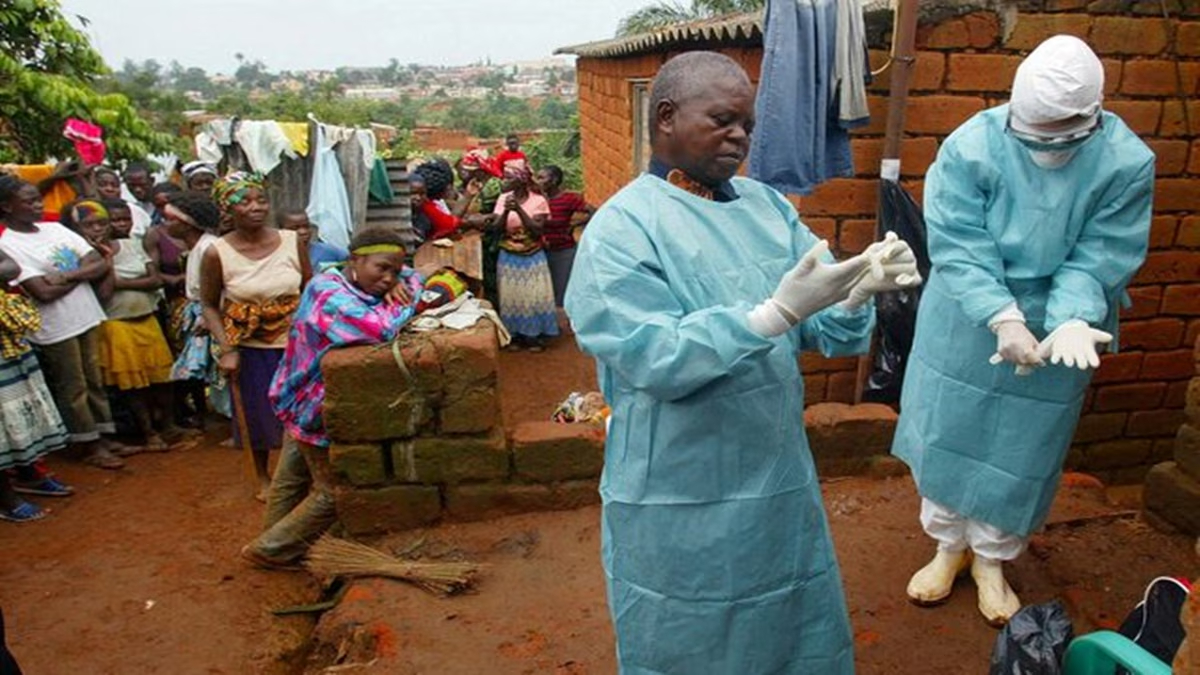
The virus, often referred to as an "eye-bleeding" disease due to its severe symptoms, has a mortality rate of up to 90%, making it one of the most dangerous pathogens known to humanity
KIGALI - Global health experts have raised concerns over a new outbreak of the deadly Marburg virus in Tanzania, which has already claimed nine lives. The virus, often referred to as an "eye-bleeding" disease due to its severe symptoms, has a mortality rate of up to 90%, making it one of the most dangerous pathogens known to humanity.
Tanzania officially announced the outbreak last week, reporting ten confirmed cases in the Kagera region, located in the northwest of the country. Of these, nine patients have died, according to the Africa Centres for Disease Control and Prevention (Africa CDC). The Kagera region, home to nearly three million people, borders Uganda, Rwanda, and Burundi, raising fears of cross-border transmission.
Health authorities have identified approximately 281 contacts of the infected individuals and are closely monitoring them for symptoms. Ngashi Ngongo, a representative from Africa CDC, stated during an online briefing that 31 tests have been conducted so far, with two confirmed cases and 29 negative results.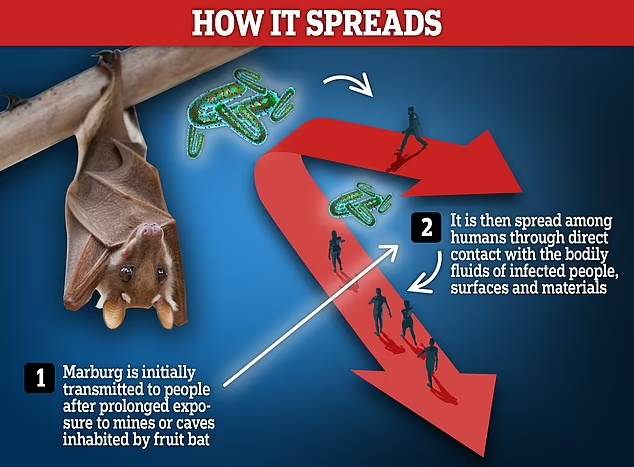
Illustration from Daily Mail
The Marburg virus, a hemorrhagic fever similar to Ebola, causes severe damage to organs and blood vessels, leading to internal and external bleeding, including from the eyes, mouth, and ears. Symptoms include high fever, severe headaches, stomach pain, vomiting, and diarrhea, which worsen over time. Infected individuals often develop a "ghost-like" appearance, with deep-set eyes and expressionless faces.
The virus spreads through contact with infected body fluids, contaminated objects, or infected animals, particularly fruit bats. There are currently no vaccines or treatments available, leaving healthcare workers to focus on supportive care to help patients survive. This puts medical staff at significant risk, especially given the virus's high transmission rate in healthcare settings.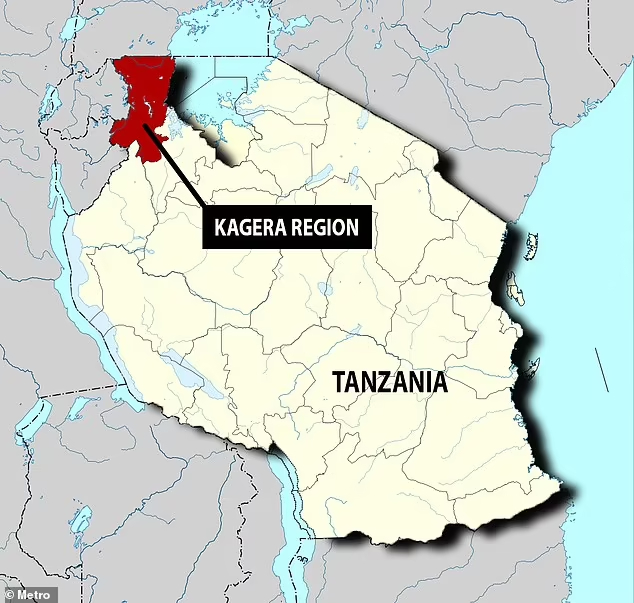
Illustration from Metro
The outbreak has sparked concerns about further spread, as Tanzania's main international airport in Dar es Salaam is easily accessible by train from the affected region. However, the World Health Organization (WHO) has stated that the global risk remains low, as the virus does not spread easily between people.
This outbreak comes less than a month after Rwanda successfully contained a Marburg outbreak, recording a remarkably low death rate of 23%—the lowest ever for such an outbreak in Africa. In March 2023, Tanzania's Bukoba district also experienced a Marburg outbreak, which lasted nearly two months and resulted in six deaths.
WHO Director-General Tedros Adhanom Ghebreyesus warned on social media that more cases could emerge in the coming days as disease surveillance improves. Health officials are working tirelessly to contain the outbreak and prevent further loss of life.
Agencies



