Written By | Peter Luzinda
Parliament
KAMPALA
Uganda’s Parliament has called for a strong public condemnation of mob justice following the tragic death of national rugby player Sydney Gongodyo, who was beaten to death by a mob in Kampala on June 5, 2026.
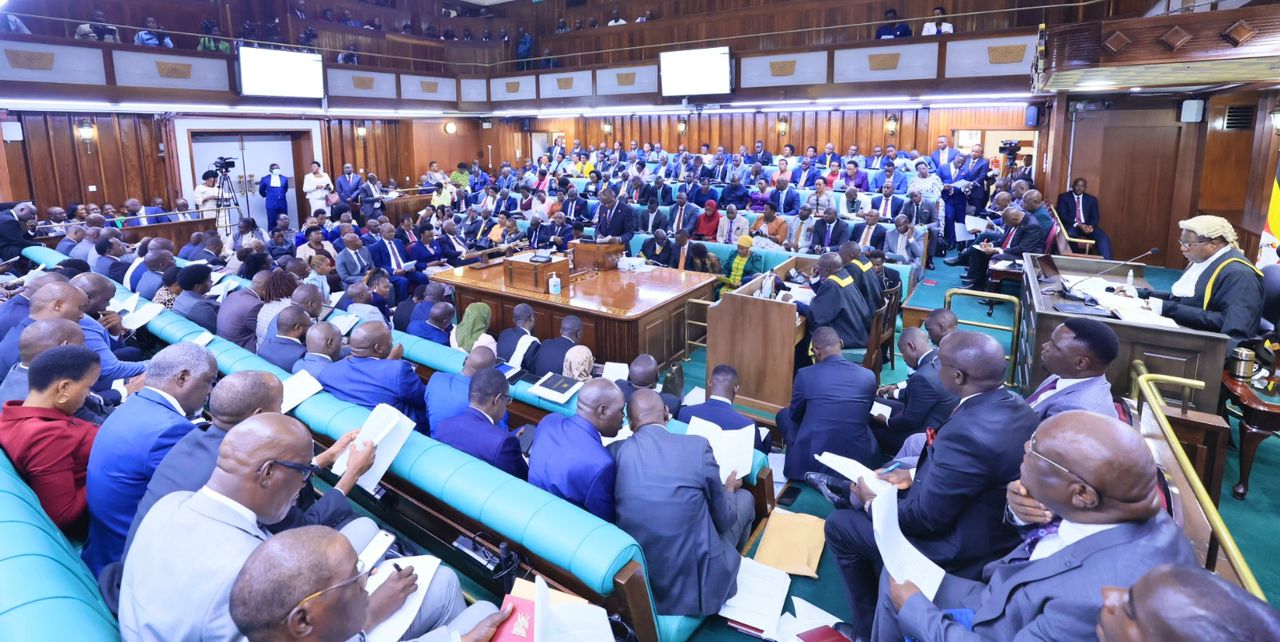
Hon. Andrew Ojok Oulanyah, MP for Omoro County, urged fellow lawmakers during plenary to openly denounce the practice and push for a public trial of the suspects to serve as a deterrent. Speaker of Parliament Anita Among (referred to in some reports as Oboth Oboth in context) described the loss of life in such circumstances as tragic.
Gongodyo, a 27-year-old forward for the Uganda Rugby Cranes and Stanbic Black Pirates Rugby Club, was attacked in the Bukoto/Ntinda area after members of the public accused him of snatching a woman’s handbag. Video footage of the incident showed the player protesting his innocence as he was assaulted with sticks and other objects. He later succumbed to his injuries at Mulago Hospital. Police investigations indicate he was not the perpetrator; a thief on a boda boda is believed to have committed the theft.
As of June 10, police had arrested at least 10 suspects in connection with the murder, including individuals identified from viral videos. Authorities have strongly condemned mob action, warning that participation can lead to murder charges.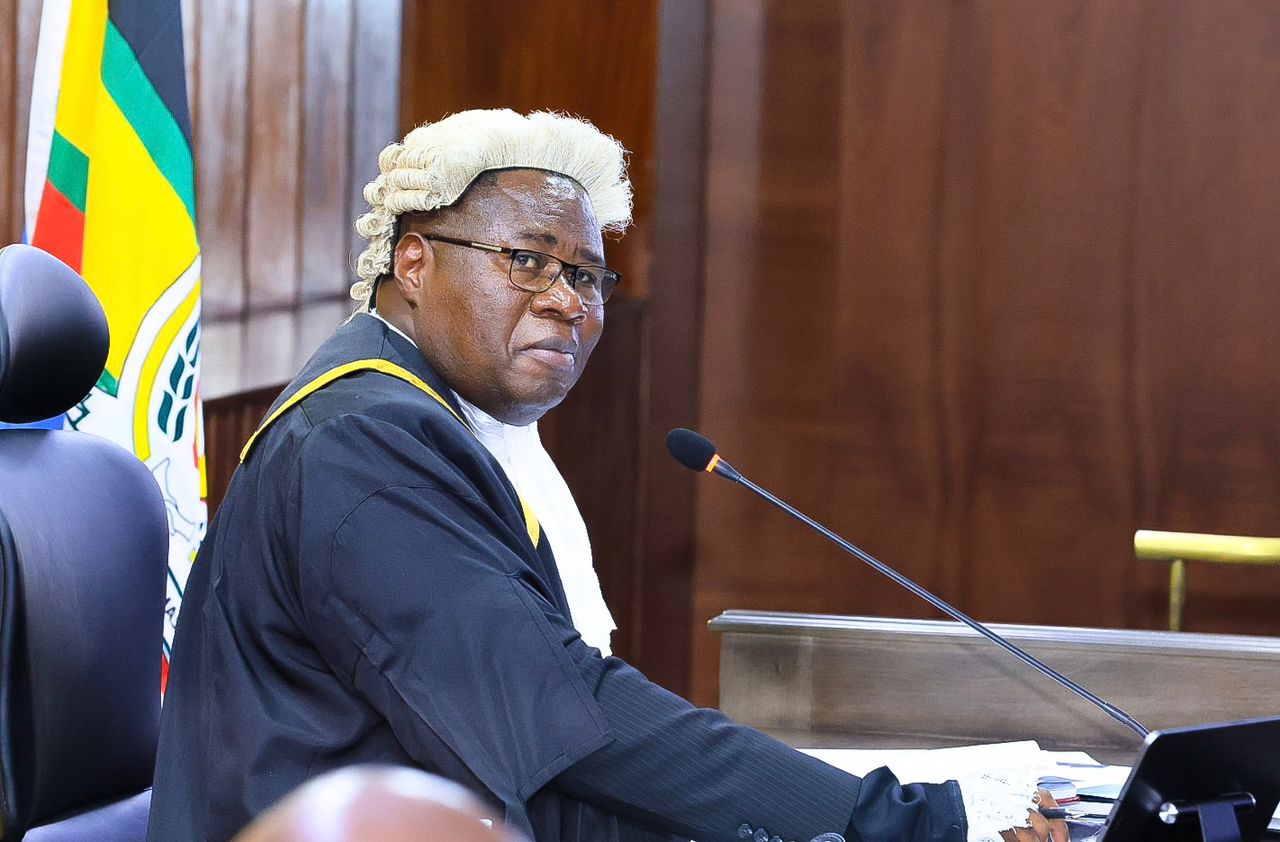
Personal Toll on Lawmaker
Hon. Oulanyah’s call carries added weight as he has personally buried two constituents killed by mobs in recent months. In January 2026, a man known as Moro was killed in his own compound in Omoro County with no arrests made to date. Gongodyo’s killing marks the second such incident for the MP in under six months. Oulanyah and his campaign team were also reportedly assaulted and robbed on January 12.
Broader Public Reaction
The incident has reignited national debate on mob justice, a longstanding issue in Uganda where frustration with slow or ineffective policing sometimes leads communities to take the law into their own hands.
Social media reactions reflected widespread anger and calls for systemic change:



