Written By | Edison Kinene
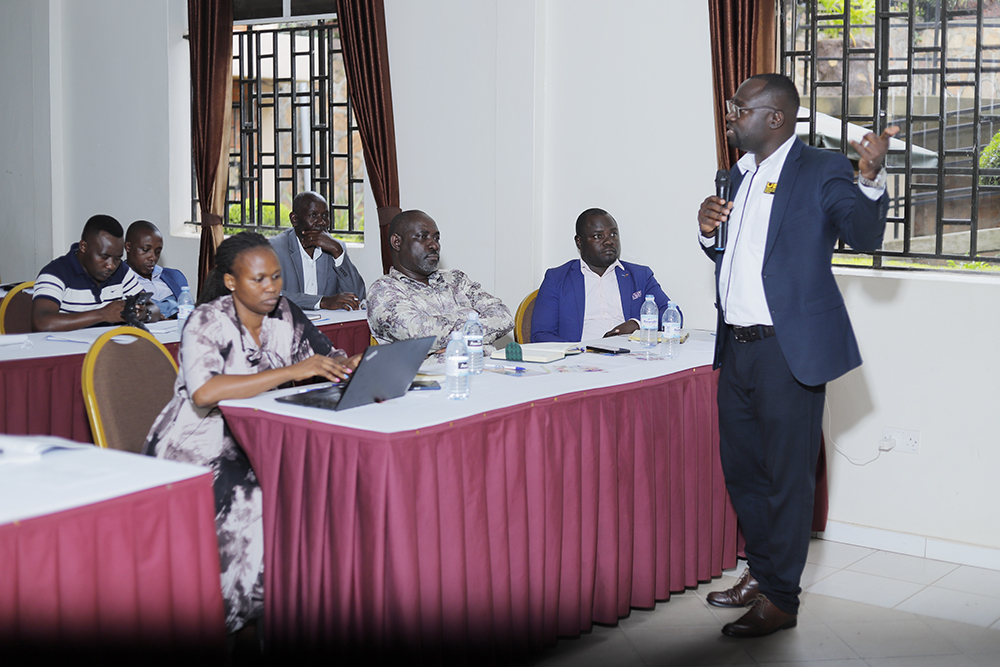
Ronald Kabunga, a Social Safeguards Officer at the Ministry of Education under the USEEP project, presented the survey findings
Mbarara
Head teachers from the Ankole sub-region have asked the Ministry of Education and Sports to consider constructing more infrastructure in schools due to the increasing number of students.
They say baseline survey teams that worked with them sensitised teachers, community members, and parents on violence against children, leading to the return of many learners who had previously dropped out of school.
The head teachers raised their concerns during the dissemination of the National Violence Against Children baseline survey report on safety and protection of children under the Uganda Secondary Education Expansion Project (USEEP) on Thursday at Acacia Hotel in Mbarara.
The project is supported by Ministry of Education and Sports, with funding from World Bank, and is being implemented by Science Teaching and Innovations Africa (STIA) in partnership with Luigi Giussani Foundation (LGF) and other NGOs.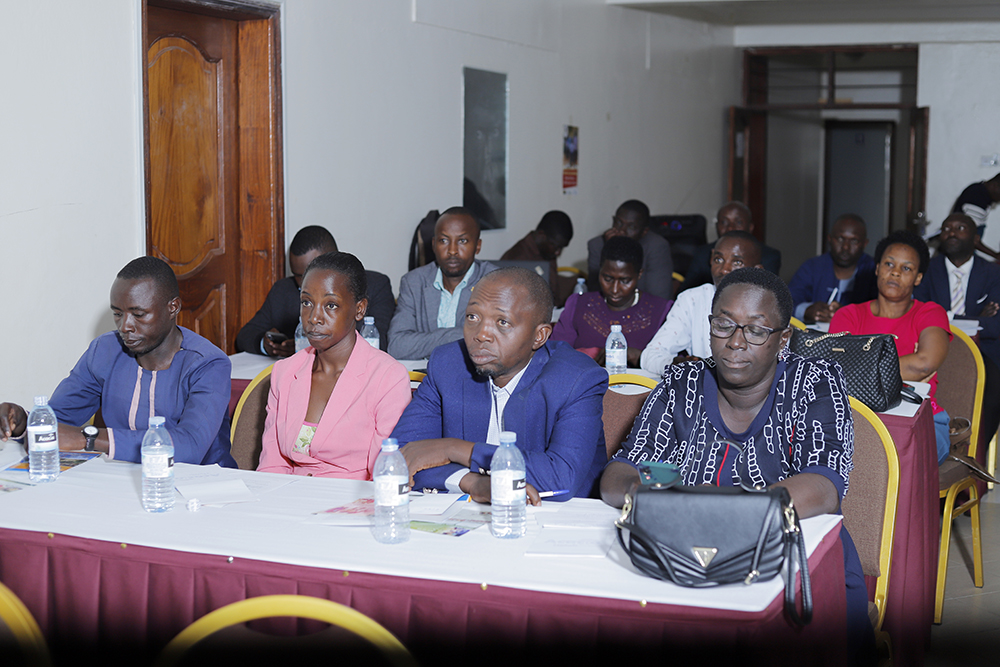
Officers including CAOs, DEOs, Head Teachers, Community Development officers and Inspectors of schools, attended the workshop
Violence against children includes all forms of abuse such as sexual, economic, emotional, and physical violence, as well as child labour. These acts can be perpetrated by parents or other caregivers, peers, partners, teachers, or strangers.
Enoch Mulindwa, the head teacher of Kyemamba Seed Secondary School, said enrolment has increased since the project was introduced at the school, creating a need for more infrastructure.
“We now have more learners and have resorted to using the church as a classroom. This is partly because of the sensitisation on violence against children, which had previously contributed to high dropout rates in secondary schools,” Mulindwa said.
He added that many cases of violence against children were due to limited awareness within communities and among teachers on how to handle affected learners.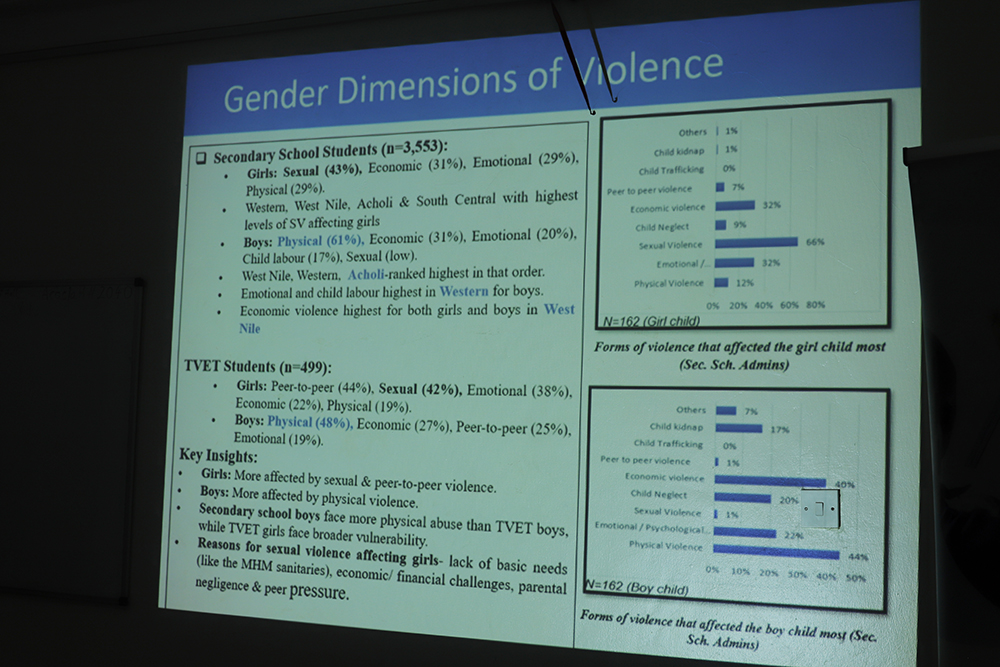
Alex Turyamureeba, the head teacher of Mugombwa Secondary School, said the school, which initially started with very few students, is now facing serious congestion. “If you visit my school this week, you will see how congested the classrooms are. Many students who had dropped out due to violence have returned to school. I want to appreciate the sensitisation and mobilisation of learners and parents,” he said.
Arthur Mushabe, the head teacher of Nkondo Secondary School in Ibanda District, also said his school faces a shortage of classrooms.
“We were promised that construction would start, and we are waiting patiently. My major challenge is space. We now have electricity installed, but we also need ICT equipment like computers so that learners can study science using modern technology, especially in hard-to-reach areas,” Mushabe said.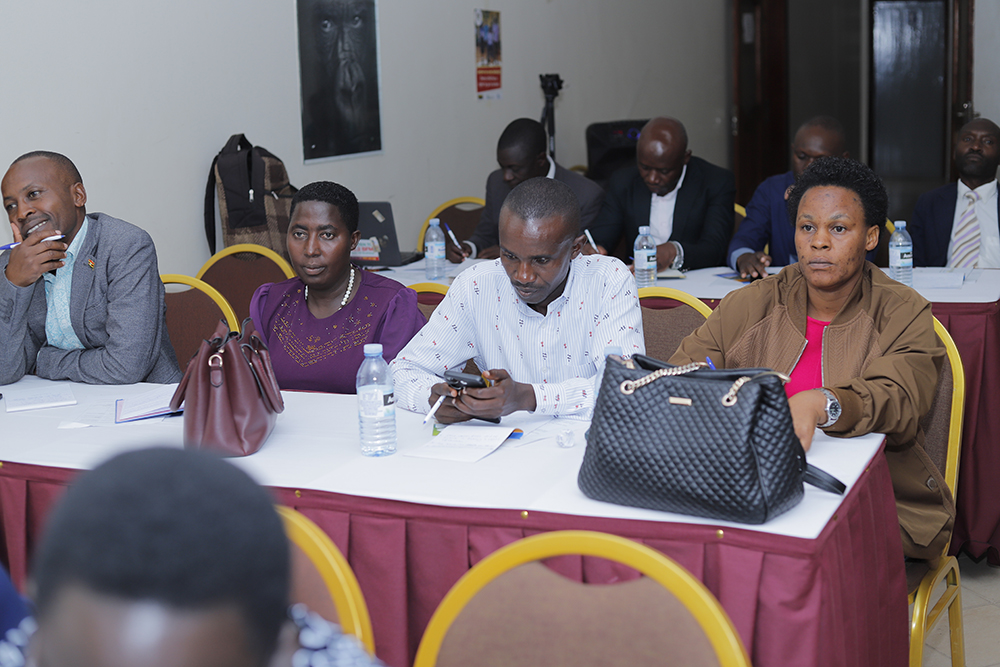
Some of the officers attending the Workshop
Peers lead in violence on girls
Ronald Kabunga, a Social Safeguards Officer at the Ministry of Education under the USEEP project, presented the survey findings and said the study revealed that parents, guardians, relatives, teachers, school administrators, community members, peers, and friends are among the leading perpetrators of violence against children.
He noted that in secondary schools, girls experience higher levels of violence, including 43 percent sexual violence, 31% economic violence, 29% emotional violence, and 29% physical violence. Boys, on the other hand, face 61 percent physical violence, 31% economic violence, 20% emotional violence, and 17% child labour.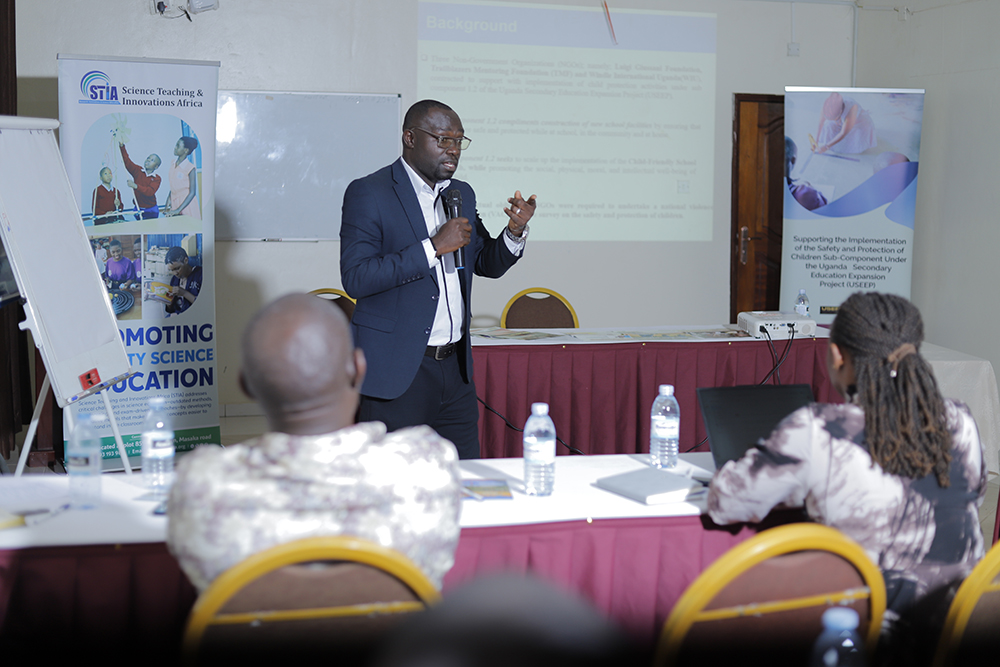
Ronald Kabunga presenting the findings
Atuheirwe Ezra, the Mbarara City Senior Inspector of Schools, said educationists and leaders must do more to address violence against children in schools.
He acknowledged that many forms of violence have contributed to school dropouts but expressed optimism that the dissemination of the baseline survey findings will strengthen efforts to address the problem.
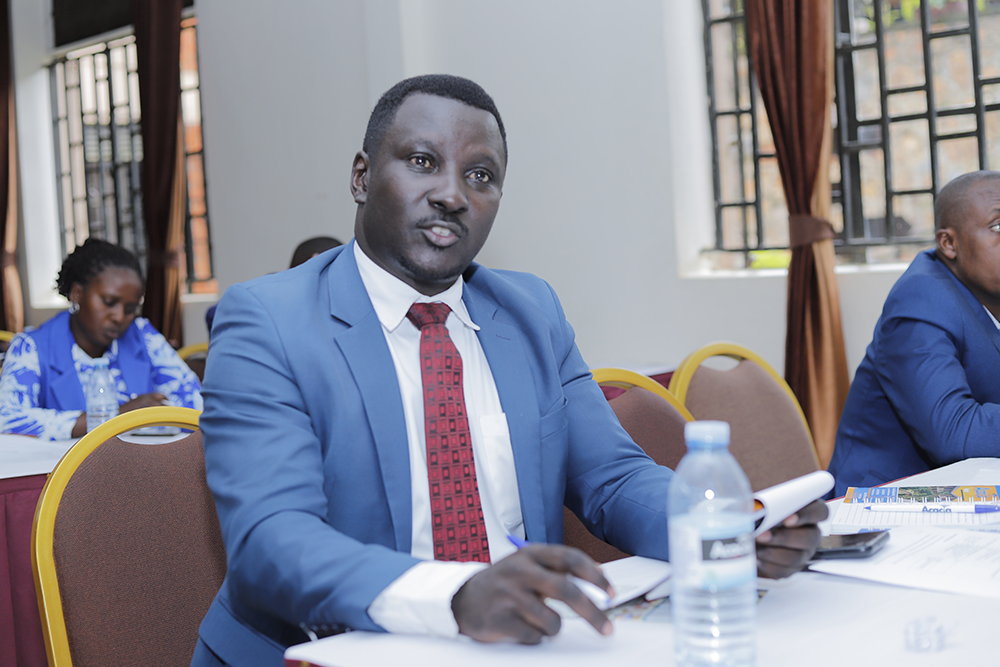
Atuheirwe Ezra, the Mbarara City Senior Inspector of Schools
Christine Bwailisa, a Gender Specialist at the Luigi Giussani Foundation, said the survey aimed at identifying key indicators and deliverables related to violence against children.
She explained that one of the targets is to ensure that schools include at least two child protection activities in their School Development Plans.
The project also aims to train at least five teachers in each school on eliminating violence against children and promoting social and emotional learning.
Bwailisa added that community dialogues and parental engagement have contributed to the return of many learners to school.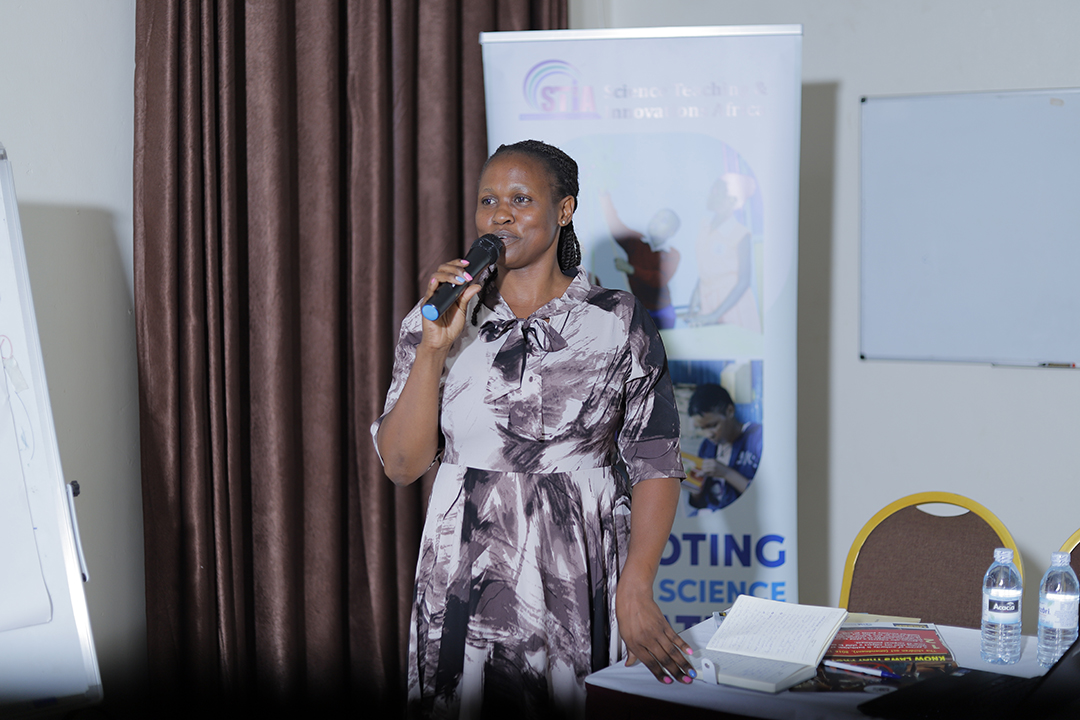
Christine Bwailisa, Gender Specialist at Luigi Giussani Foundation
She said the project also includes the construction of infrastructure, noting that the government is committed to building a seed secondary school in every sub-county in a phased approach.
Data collection
Data for the survey was collected across 10 sub-regions of Uganda in line with the USEEP design. Researchers visited 76 districts to gather information from secondary school administrators and students, while TVET student respondents were drawn from 47 districts and 63 institutions. Overall, the survey covered 76 out of the planned 81 districts, representing 94% of the intended coverage.
Torch Media Africa



