Israel's Iron Dome, David’s Sling, and Arrow Missile Defense Systems: A Breakdown
Israel has developed a sophisticated multi-layered missile defense system to counter the growing missile threats from various adversaries, including Iran, Hamas, Hezbollah, and the Houthi rebels. The system consists of different defense layers, each targeting specific missile ranges and types, and was recently used to counter an Iranian attack involving around 180 missiles.
What Are Israel's Missile Defense Systems?
Israel's defense systems operate at various altitudes and distances to intercept rockets, missiles, and drones:
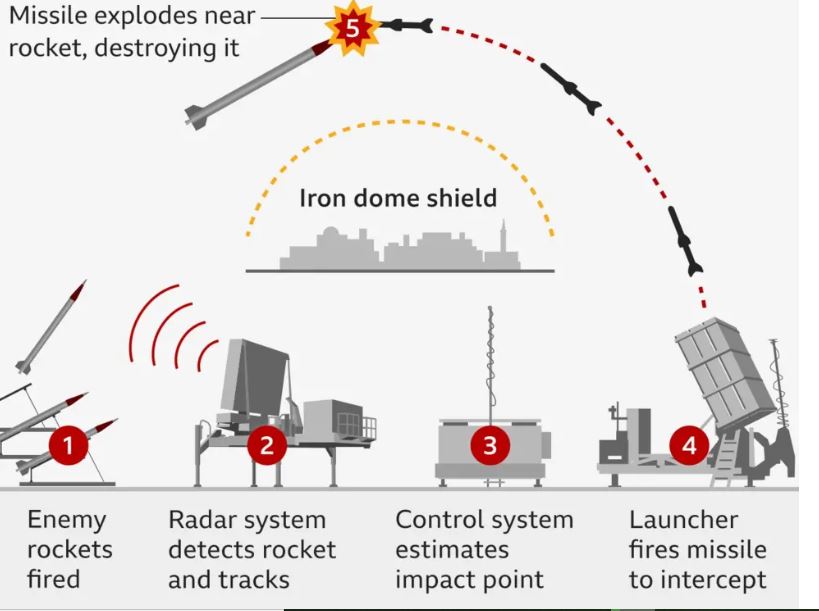
- Iron Dome: The most widely known system, the Iron Dome is designed to intercept short-range rockets, shells, and mortars. It is capable of countering threats from 4km to 70km away, making it particularly effective against missiles fired from Gaza and southern Lebanon. The Iron Dome uses radar to detect and track incoming rockets, only intercepting those projected to hit populated areas. It boasts a success rate of up to 90% and costs approximately $50,000 per interception.
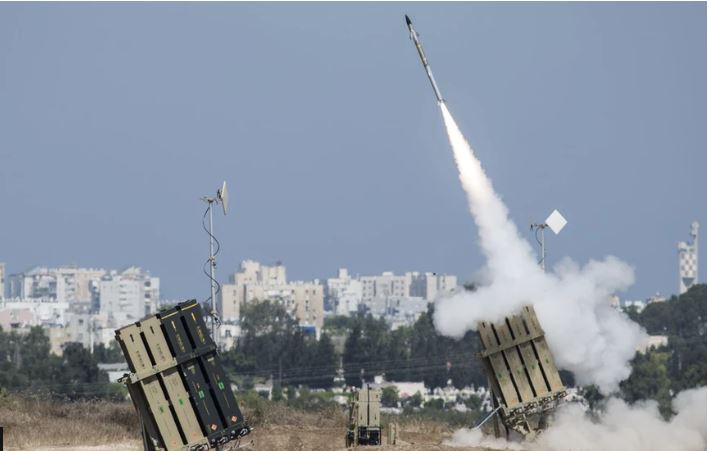
Iron Dome is said to be the world's best-tested missile defence system. (Getty Images)
- David's Sling: This system is tasked with intercepting medium-range and long-range ballistic missiles, rockets, and cruise missiles, at ranges up to 300km. David’s Sling is versatile, intercepting not only ballistic missiles but also aircraft and drones. Each missile costs about $1 million, and it has been used against targets from Hezbollah in Lebanon, including the Qadr-1 missile in September 2024.
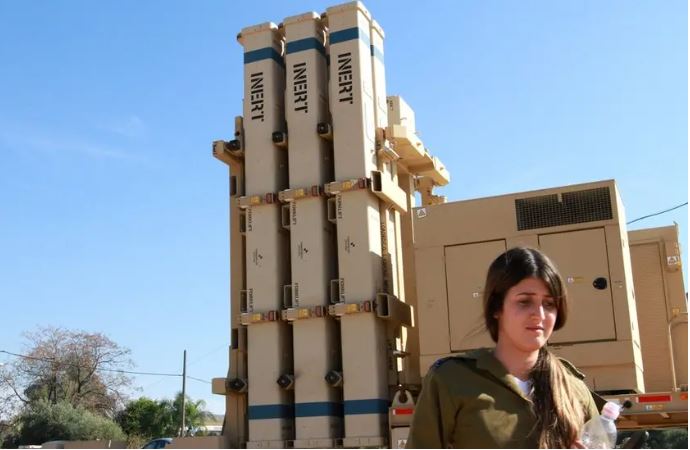
A David's Sling launcher pictured during a military exercise. (Getty Images)
- Arrow 2 and Arrow 3: These systems are designed to intercept ballistic missiles at greater distances and altitudes. Arrow 2 is optimized for intercepting missiles in the upper atmosphere at altitudes of up to 50km, while Arrow 3 can engage missiles outside Earth's atmosphere, with a range of up to 2,400km. Arrow 3 was first used in 2023 to intercept a ballistic missile fired by Houthi rebels at Eilat, Israel’s southernmost city.
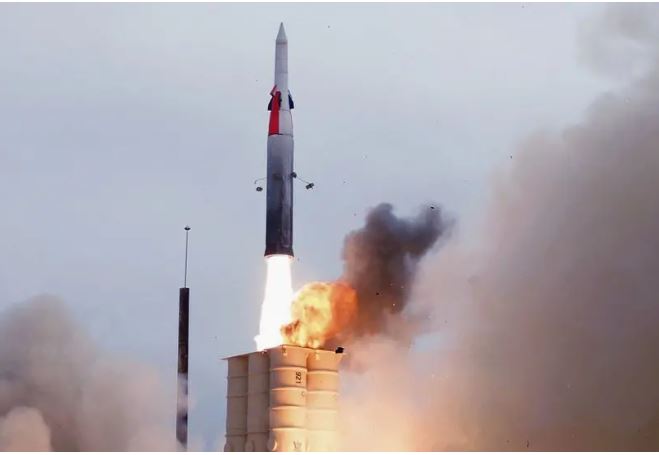
The Arrow 2 system is designed to intercept ballistic missiles in Earth's upper atmosphere. (Getty Images)
Recent use of the missile defense systems
In a recent Iranian attack, Israel reportedly deployed all its missile defense systems. While Iran claimed that 90% of its projectiles hit their targets, Israel stated that most were intercepted, showcasing the effectiveness of its multi-tiered defense network.
Combat-proven capabilities
Since its introduction, Iron Dome has been combat-tested in conflicts against Hamas and Hezbollah, intercepting thousands of rockets. David’s Sling and the Arrow systems have also proven effective in real-time conflict situations, bolstering Israel’s ability to defend against a wide range of airborne threats.
Source: BBC
Published By | Dickens Tiharihondijo