BUSINESS
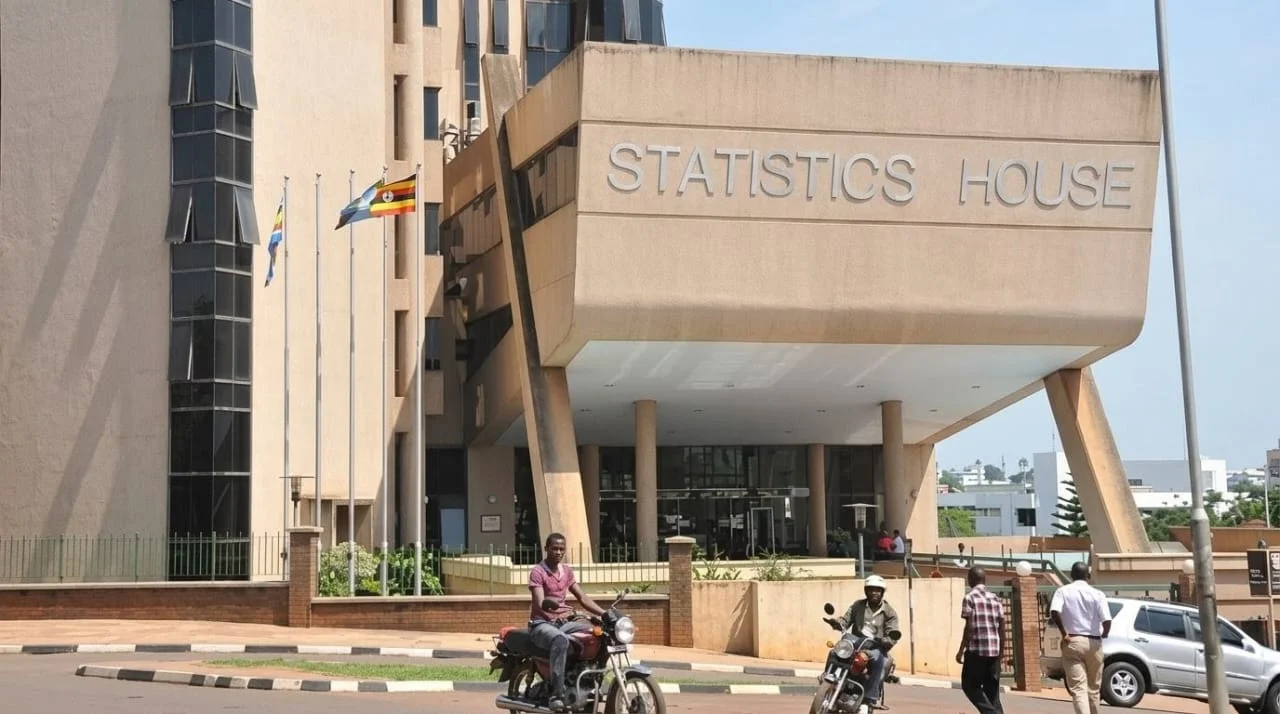
Uganda's economy grew 5.8 percent year-on-year in the third quarter of the 2025/26 financial year, a marked slowdown from the 8.5 percent expansion recorded in the same period a year earlier, according to the latest Key Economic Indicators report released by the Uganda Bureau of Statistics (UBOS) on July 1, 2026. The 141st edition of the closely watched quarterly release covers the period from January to March 2026 and has become the top business story in the country this week, prompting fresh debate about the durability of Uganda's recent growth run and what it will take to sustain momentum through the rest of the year.
What the Numbers Show
The headline GDP figure masks a more uneven picture across sectors. Agriculture — historically a shock absorber and a pillar of rural livelihoods — posted gross value added growth of just 2.1 percent year-on-year in the quarter, sharply down from 10.3 percent in the same quarter of 2024/25. That deceleration is the single largest drag on the overall growth number and points to weaker harvests or price effects weighing on a sector that still employs a majority of Uganda's workforce.
Industry fared comparatively better, expanding 5.9 percent year-on-year versus 7.4 percent a year earlier, with manufacturing growing 4.8 percent and construction rising a healthier 7.2 percent, suggesting continued momentum in infrastructure and building activity even as the broader industrial base cools. On a seasonally adjusted quarter-on-quarter basis, GDP rose just 1.2 percent, down from 3.6 percent the previous quarter — a sign that the slowdown is not solely a base-effect illusion from strong prior-year comparisons but reflects some loss of underlying momentum within the year itself.
Inflation, meanwhile, remains benign by regional standards: annual headline inflation for the year ending March 2026 stood at 2.8 percent, essentially flat versus 2.9 percent the month before, giving Bank of Uganda policymakers room to maneuver without the added complication of runaway prices. The shilling depreciated modestly against the dollar, with the official mid-rate averaging 3,620 shillings per dollar in the quarter, a 2.3 percent slide from the prior quarter's average of 3,538. Credit to the private sector continued to expand, with outstanding commercial bank loans and advances rising 2.7 percent quarter-on-quarter to 76.8 trillion shillings, up from 74.7 trillion, indicating that bank lending has not seized up even as broader growth cools.
Context: A Boom Story With Cracks Appearing
The slowdown lands at an otherwise buoyant moment for Uganda's investment narrative. The country attracted record foreign direct investment of roughly $3.3 to $3.4 billion in 2024, and coffee export earnings — Uganda's flagship cash crop and a major foreign-exchange earner — nearly doubled to between $2.2 and $2.4 billion in the 2024/25 season on the back of strong global prices and expanded output. The Uganda Investment Authority has projected the country's GDP could approach $66 billion in 2026, underpinned in part by early construction activity tied to the country's oil sector, including the Lake Albert development and the East African Crude Oil Pipeline. Analysts and commentators, however, have begun cautioning that Uganda's real test is not attracting capital but converting that investment boom into durable industrial upgrading — building local supply chains, processing capacity and skilled jobs rather than simply recording strong headline inflows that may not translate into broad-based growth.

Who Is Involved
UBOS, Uganda's national statistics agency, is the source of the quarterly GDP data and is led technically by the Bureau's statisticians, with the numbers feeding directly into decisions at the Ministry of Finance, Planning and Economic Development and the Bank of Uganda, the central bank responsible for monetary policy and managing the shilling's exchange rate. The Uganda Investment Authority, a government body tasked with promoting foreign and domestic investment, has been actively promoting the country's growth and FDI figures internationally even as the underlying quarterly data shows a cooling trend. International partners including the International Monetary Fund, the World Bank and the African Development Bank all maintain active country programs and economic outlooks for Uganda, providing external benchmarks against which the government's own growth narrative is measured.
Why It Matters
For ordinary Ugandans, a slowdown concentrated in agriculture is particularly consequential because the sector remains the largest employer and a key determinant of rural household incomes; weaker agricultural growth can translate quickly into reduced rural purchasing power even when urban and industrial indicators look healthier. For policymakers, the combination of slowing growth, a mildly depreciating currency and continued private-sector credit expansion presents a delicate balancing act: too much monetary tightening risks choking off the credit growth supporting construction and manufacturing, while too little risks further currency pressure. For investors and the business community, the data will sharpen scrutiny of whether recent record FDI and coffee earnings are being channeled into productive, growth-generating investment or remain concentrated in a narrow set of large-scale projects, such as oil infrastructure, that have limited near-term spillover into broader GDP figures.
What to Watch Next
Markets and analysts will be watching the next UBOS quarterly release for signs of whether the Q3 slowdown was a temporary dip — potentially tied to weather-affected harvests — or the start of a more sustained deceleration. The Bank of Uganda's upcoming monetary policy decisions will be an important signal of how seriously officials view the growth-inflation tradeoff, particularly given the shilling's recent softness. Progress on oil-sector construction, including pipeline and refinery-related activity, will also be a bellwether for whether industrial and construction growth can offset continued softness in agriculture over the coming quarters. Finally, how effectively record FDI and coffee earnings translate into local industrial capacity — the "industrial policy test" that commentators have flagged — will shape the medium-term growth outlook well beyond this single quarter's data.
Published By | Business News Editor