Written By |

Traore attended the grand parade and wreath laying ceremony on May 9, 2025, marking the 80th anniversary of Russia's victory over Nazism. These moves have unsettled Western governments
Since seizing power in a 2022 coup, the 36-year-old military captain has expelled French troops, sidelined Western corporations, and aligned Burkina Faso with Russia, Cuba, and Venezuela. Championing pan-African unity and national self-reliance while surviving alleged coup attempts, Traoré has positioned himself as a radical anti-imperialist—and drawn the ire of Washington and Paris.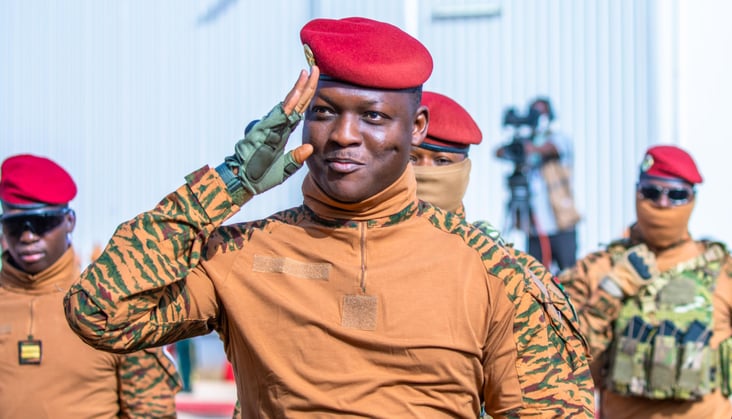
Cpt Ibrahim Traore
Traoré in the Crosshairs
According to government officials, Traoré narrowly survived a foreign-backed coup attempt last month. Security Minister Mahamadou Sana said the military junta foiled a “major plot” to storm the presidential palace on April 16. The plotters, he claimed, operated from Ivory Coast—a U.S.-aligned neighbor where American military presence has expanded in recent years.
Since taking power, Traoré has faced growing criticism from the West. On April 3, General Michael Langley, head of U.S. Africa Command (AFRICOM), accused Traoré of corruption and of aiding efforts by Russia and China to gain a strategic foothold on the continent.
AFRICOM oversees U.S. military operations, intelligence, and security partnerships in Africa, often under the banner of counterterrorism. On the same day as the attempted coup, the U.S. Embassy upgraded its travel advisory for Burkina Faso to “do not travel.” Langley reportedly held multiple meetings with Ivorian Defense Minister Téné Birahima Ouattara both before and after the coup attempt.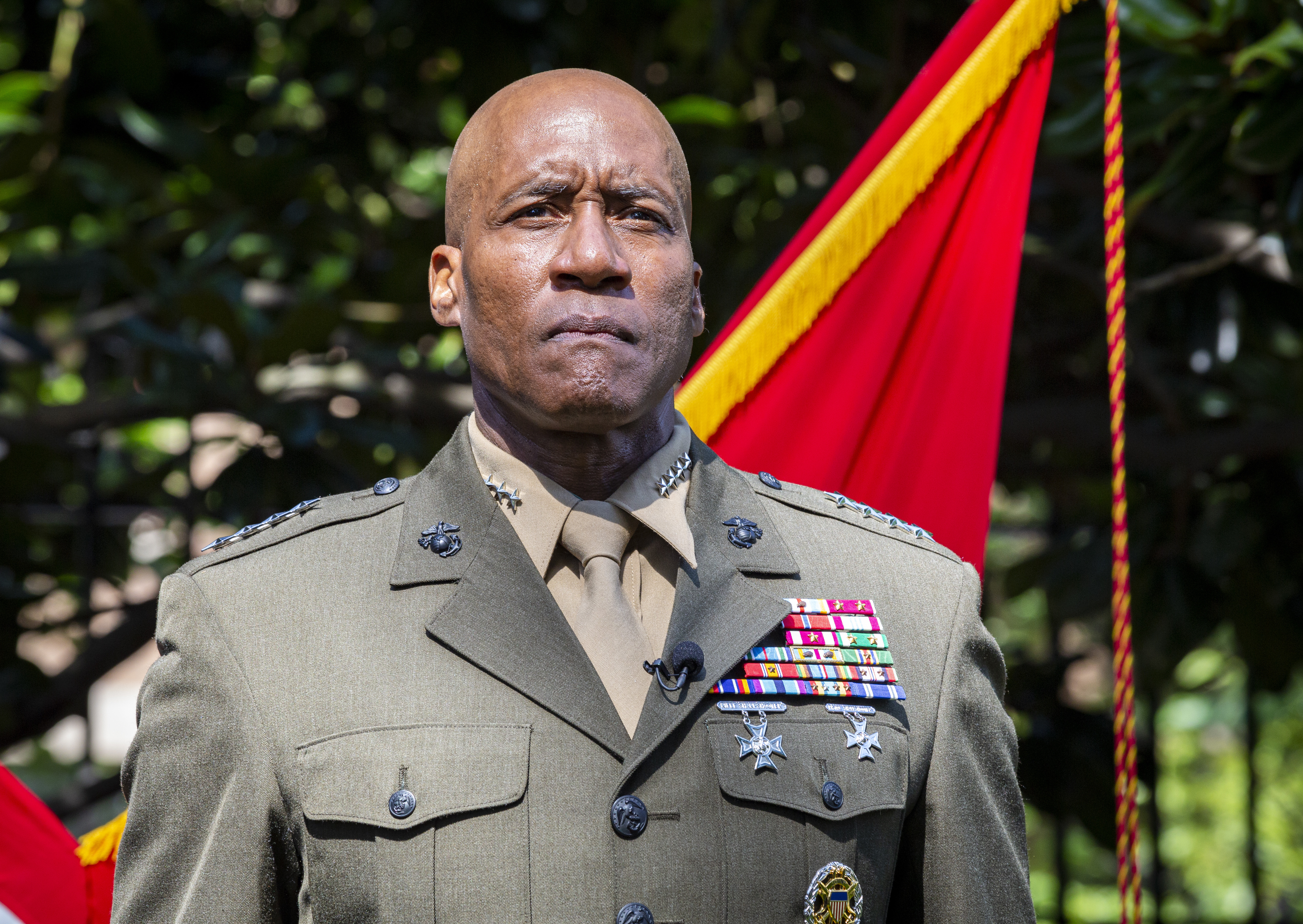
A break with the west
Since taking office, Traoré has worked systematically to limit Western influence in Burkina Faso, calling it a matter of sovereignty. In January 2023, he expelled the French ambassador, labeling France an “imperialist state.” A month later, he ordered French troops to leave. The move inspired a domino effect across former French colonies: Mali, Chad, Senegal, Niger, and Ivory Coast have since followed suit.
President Emmanuel Macron called the backlash an act of “ingratitude,” claiming these nations had “forgotten to thank” France for its presence.
Traoré’s government has also expelled or banned several Western media outlets, accusing them of neocolonial propaganda. Radio France Internationale and France 24 were the first to go. Then came Voice of America, the BBC, and Germany’s Deutsche Welle in 2024. Western rights groups, including Human Rights Watch, accused Traoré of cracking down on press freedom.
Despite formal independence, France continues to wield economic influence in its former colonies through the CFA franc—a currency pegged to the euro and governed in part by French oversight. Critics say the system stifles economic autonomy by making trade with Europe cheap but global trade prohibitively expensive.
Traoré has called the CFA franc “a tool of slavery” and is working with Mali and Niger to create a new currency. Together, they’ve also exited the Western-backed ECOWAS regional bloc and formed the Alliance of Sahel States—a pan-African coalition aiming to unite the region against foreign control.
In the spirit of Sankara
Traoré has openly embraced the legacy of revolutionary icon Thomas Sankara. Like Traoré, Sankara took power as a young military officer and introduced sweeping reforms to boost self-sufficiency and cut foreign dependency. He promoted local agriculture, improved public services, fought corruption, and pushed for women’s rights—banning forced marriages and female genital mutilation, and appointing women to key positions.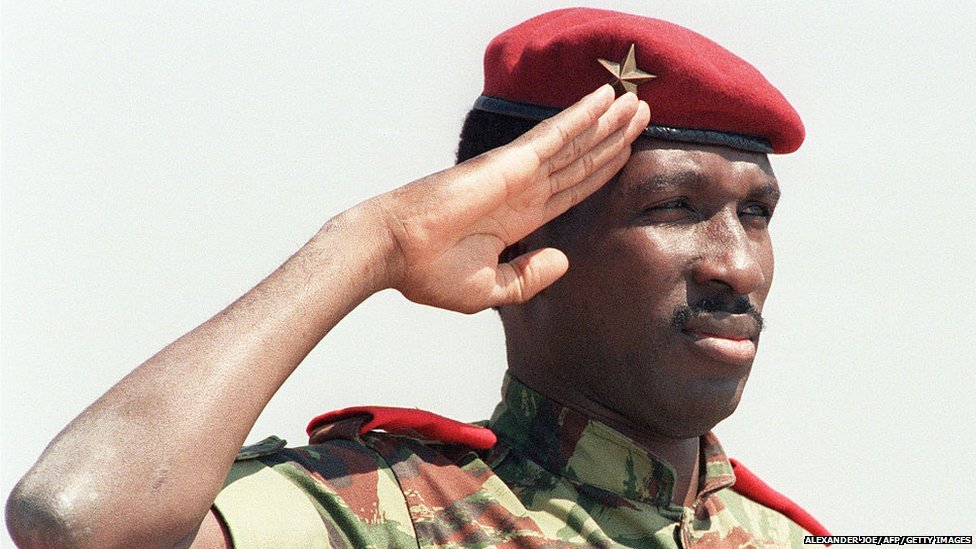
Sankara was assassinated in 1987. His killer, former President Blaise Compaoré, was convicted in absentia only after Traoré’s rise to power. Compaoré now lives in exile in Ivory Coast.
Western analysts are split on whether Traoré truly follows in Sankara’s footsteps. Some, like Daniel Eizenga of the Pentagon-funded Africa Center for Strategic Studies, dismiss the comparison as superficial. Others, such as The Economist, warn that Traoré may indeed be the real deal—a prospect unsettling to global business interests.
What’s clear is that Traoré is immensely popular. Ghanaian President John Mahama noted that Traoré received more applause at Mahama’s own inauguration than any other leader.
READ MORE DETAILS HERE: Meet Ibrahim Traoré, Burkina Faso’s retro revolutionary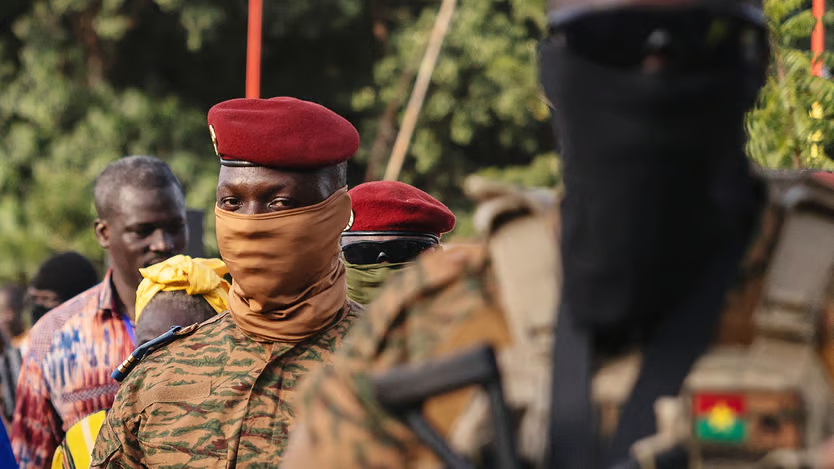
Resource control and economic reform
Inspired by Sankara’s emphasis on food security, Traoré’s government has launched a $1 billion initiative to mechanize agriculture and increase production of staple crops like rice, maize, and potatoes.
Burkina Faso’s economy depends heavily on gold, which accounts for over 80% of exports. The country produces around 100 tons annually—worth roughly $6 billion—but most profits flow to foreign companies. With a national GDP of only $18 billion, the disconnect is stark.
In response, Traoré has begun nationalizing key assets. In 2023, the government took over two major foreign-owned gold mines for just $80 million—far below their estimated $300 million value. A state-run gold refinery is now under construction.
“Why does resource-rich Africa remain the poorest region of the world?” Traoré asked. “African leaders should not be puppets of imperialism.”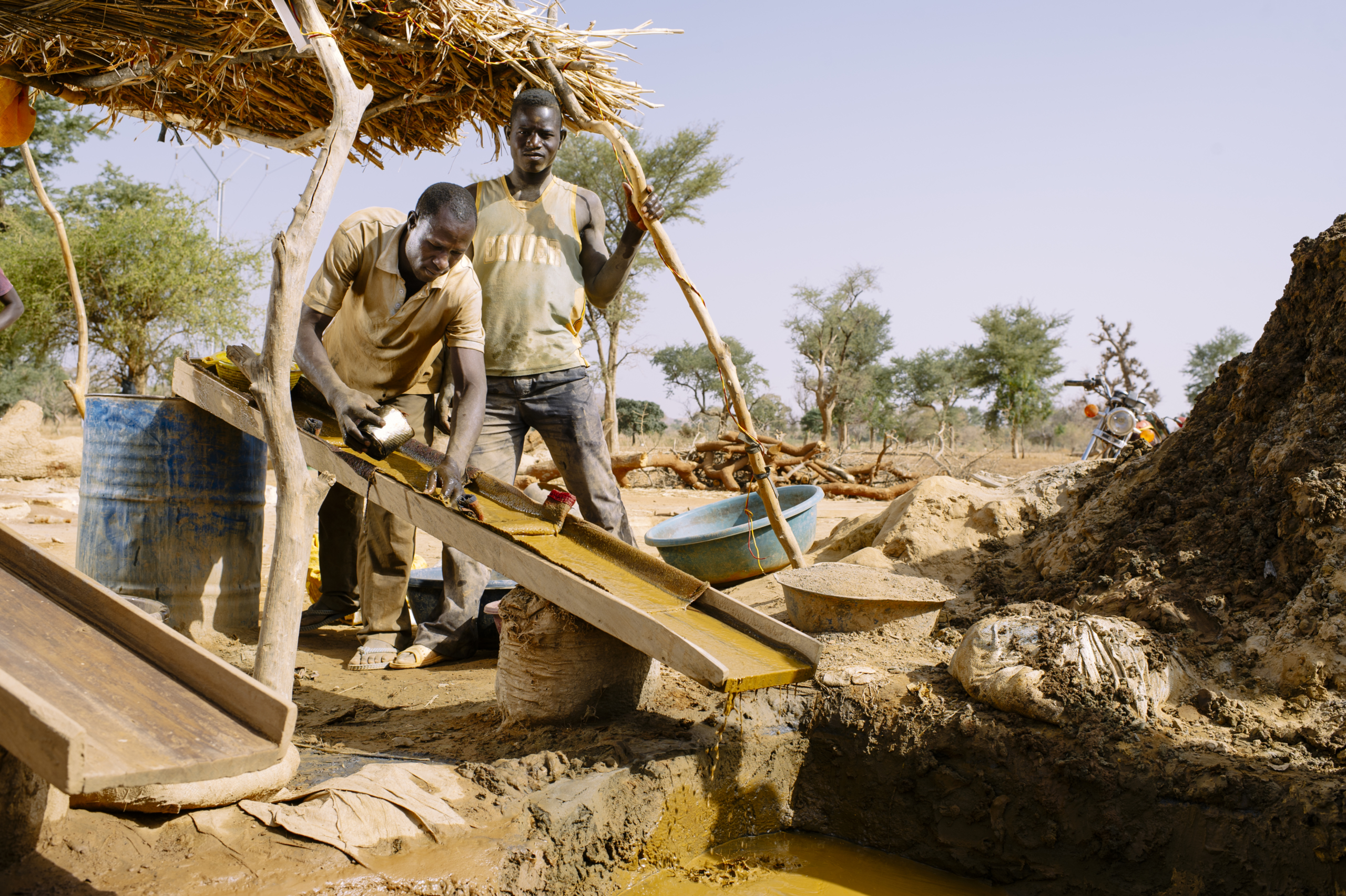
Burkina Faso produces around 100 tons annually—worth roughly $6 billion. (Photo: The Borjen Project)
A nation at war
Despite these bold initiatives, Burkina Faso remains gripped by conflict. Armed Islamist groups—many emerging in the chaos after NATO’s 2011 intervention in Libya—control as much as 40% of the country. Over 1,000 people were killed by extremists in 2024 alone.
It was under this security crisis that Traoré postponed elections initially promised after his coup. “Elections are not the priority; security is,” he said—a stance that has drawn criticism from political observers and rights groups.
One of the most disturbing incidents occurred in 2023, when around 150 civilians were massacred in the village of Karma. Although the government condemned the killings, Amnesty International has suggested the military may have been responsible.
In place of French forces, Traoré has welcomed Russian military advisors and he attended Russia’s Victory Day Parade on May 9. These moves have unsettled Western governments, but with U.S. resources focused on China and Russia and France’s influence in Africa in steep decline, options for a direct response appear limited.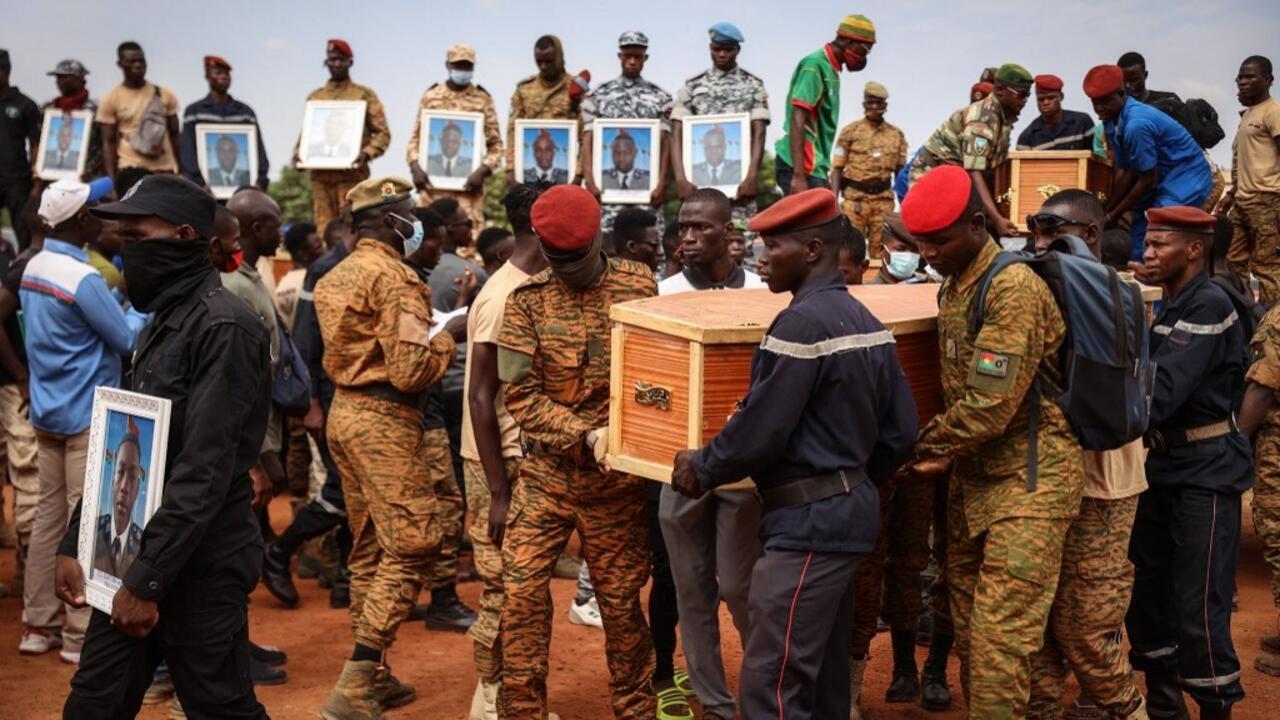
150 civilians were massacred in the village of Karma in 2023. Traore halted elections
What comes next?
Whether Traoré will leave a legacy as profound as Sankara’s remains to be seen. Many African leaders have promised radical change but failed to deliver. But Traoré’s rhetoric of pan-Africanism, anti-imperialism, and sovereignty is clearly resonating.
He’s talking the talk. Now, the world is watching to see if he walks the walk.
SOURCE: MUNCIE VOICE
Read Original Story Here



