Written By |
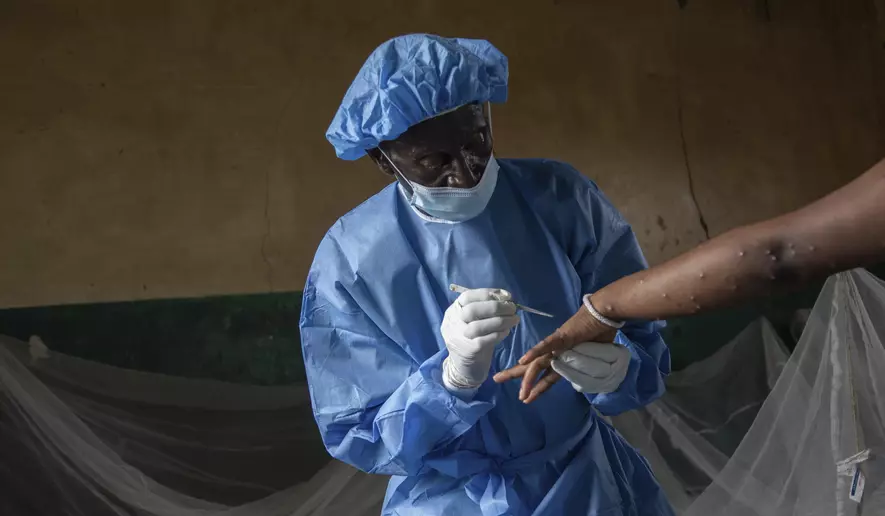
Atumisi Anaclet treats a sex worker with mpox on Sept. 4, 2024, in a hospital in Kamituga, in eastern Congo’s South Kivu province, which is the epicenter of the world’s latest outbreak of the disease
KAVUMU, Congo – Health authorities in Congo are grappling with a worsening mpox outbreak, with the recent discovery of a new strain raising concerns about increased transmission in an already fragile region. Congo, a central African country facing numerous challenges, is now battling the spread of mpox in areas overwhelmed by conflict and humanitarian crises. The World Health Organization (WHO) declared the outbreak in Congo and about a dozen other African nations a global health emergency last month. More than 21,000 of Africa’s 25,093 confirmed and suspected mpox cases this year have occurred in Congo, according to the WHO’s latest figures.
While mpox has been endemic in Congo for decades, the newly identified strain, first detected in South Kivu province in September 2023, appears to be more infectious. The virus, which causes fever and skin lesions in severe cases, has since spread to the neighboring North Kivu province, further stretching an already burdened healthcare system.
Conflict compounds the crisis
Eastern Congo, particularly South and North Kivu, has been plagued by violence for years, as over 120 armed groups vie for control of the region's mineral resources. This ongoing conflict has displaced millions, with many forced to seek refuge in camps or nearby towns, adding to the complexity of containing the outbreak.
"The situation is truly a challenge," said Dr. Musole Mulambamunva Robert, medical director of Kavumu Hospital. He noted that the hospital often treats up to four times its capacity, as health facilities in the region struggle to cope with the influx of patients.
The humanitarian crisis in eastern Congo has left more than 6 million people displaced, exacerbating food and healthcare shortages. Many communities have no access to clean water, soap, or basic healthcare, leaving them vulnerable to severe mpox cases, particularly those suffering from malnutrition or undiagnosed HIV.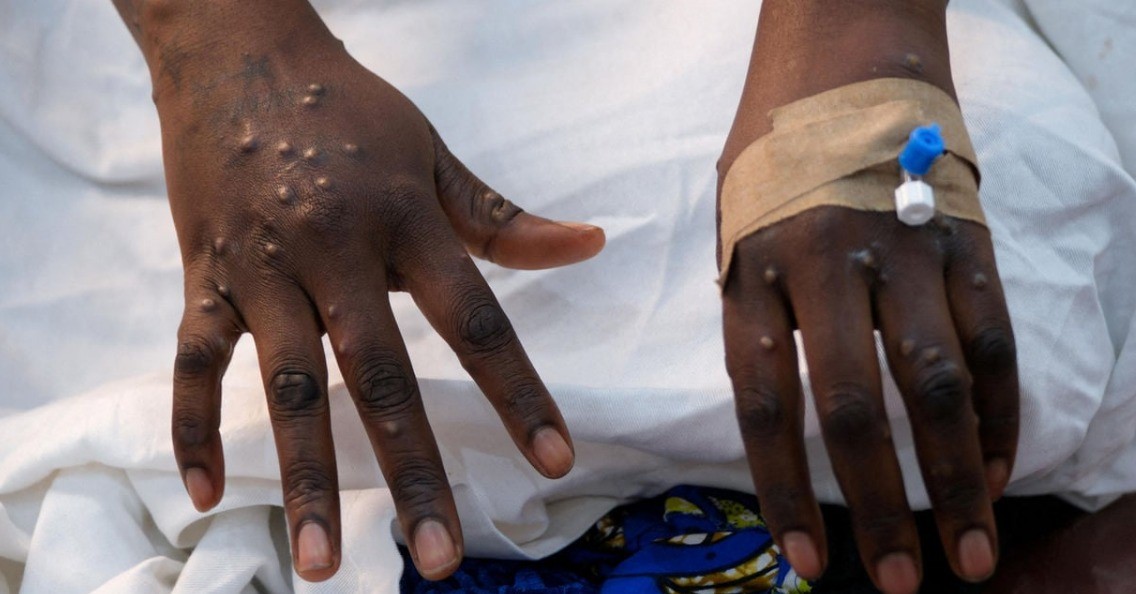
People are more susceptible to severe mpox due to malnutrition and untreated HIV
Logistical challenges hamper response
Accessing healthcare in remote parts of eastern Congo is a daunting task. Roads are unreliable, and some communities can only be reached by hours-long boat trips. Mercy Muthee Lake of the International Federation of Red Cross and Red Crescent said that healthcare workers in these areas have requested additional mpox training, as they face shortages of basic medicines to treat fever and pain.
"People are more susceptible to severe mpox due to malnutrition and untreated HIV," Lake added.
Limited vaccines and resources
Congo, like much of Africa, lacks the capacity to produce mpox vaccines. Although 250,000 doses have been delivered from the European Union and the United States, Congolese authorities estimate they need around 3 million doses to combat the outbreak effectively. Vaccines have yet to reach eastern Congo, and for now, they are only approved for adults, with little evidence of their efficacy in children.
While vaccines are critical, Emmanuel Lampaert, Congo representative for Doctors Without Borders, emphasized that they are "just an additional tool." He stressed that identifying cases, isolating patients, and executing grassroots health campaigns remain the most effective strategies to contain the outbreak.
However, local conditions make isolation nearly impossible. "Families with six to eight children are living in huts barely the size of a bed," Lampaert said. "This is the reality."
A sluggish global response
Critics have pointed out the stark contrast between the international response to previous health crises in Congo, such as Ebola and COVID-19, and the current mpox outbreak. While millions of dollars in aid poured into the country for Ebola and COVID-19, the response to mpox has been far slower.
Health experts attribute the lack of urgency to both limited funding and a perceived lack of international interest. "Ebola is the most dangerous virus in the world, and COVID wiped out the world economy," said Professor Ali Bulabula of Congo’s University of Kindu. "Mpox, on the other hand, is still viewed as a localized, tropical disease with no major impact on Western economies."
Without greater international attention and support, health officials warn that the situation in Congo could worsen, with potentially devastating consequences for the millions already affected by conflict and displacement.
Source: AP



