Russia and Ukraine have agreed to a localized, days-long ceasefire in Kherson region so aid can reach a stranded town, even as missiles fall on Kyiv and the larger peace talks remain stuck on territory and security guarantees.
World Politics
Introduction
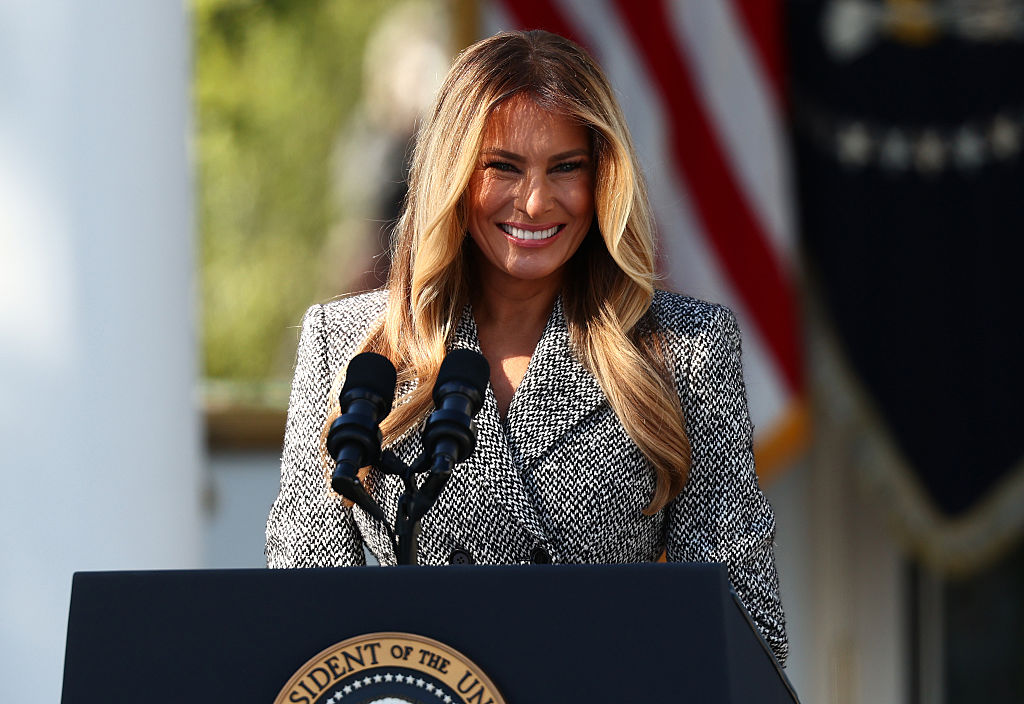
On Tuesday, October 27, a very small ceasefire took effect in a very large war. Around the Russian-occupied town of Oleshky, on the eastern bank of the Dnieper River in Ukraine's Kherson region, Russian and Ukrainian forces agreed to stop firing so that food, medicine and water could be brought in and civilians who wish to leave could be taken out. The arrangement was brokered not by a seasoned diplomat but by First Lady Melania Trump, whom the White House has described as an exclusive intermediary between the two sides.
The truce is narrow in geography and in time, and fighting continues across the rest of the front. On the same day it began, Russian missiles and drones struck Kyiv, Kharkiv and other cities, and a United Nations inquiry accused Moscow of war crimes. But the Oleshky arrangement is notable because both governments confirmed they are honoring it, because it was agreed through a quiet channel rather than a public negotiation, and because it comes as Washington tries to restart broader peace talks that have repeatedly stalled.
Background: A Town Cut Off
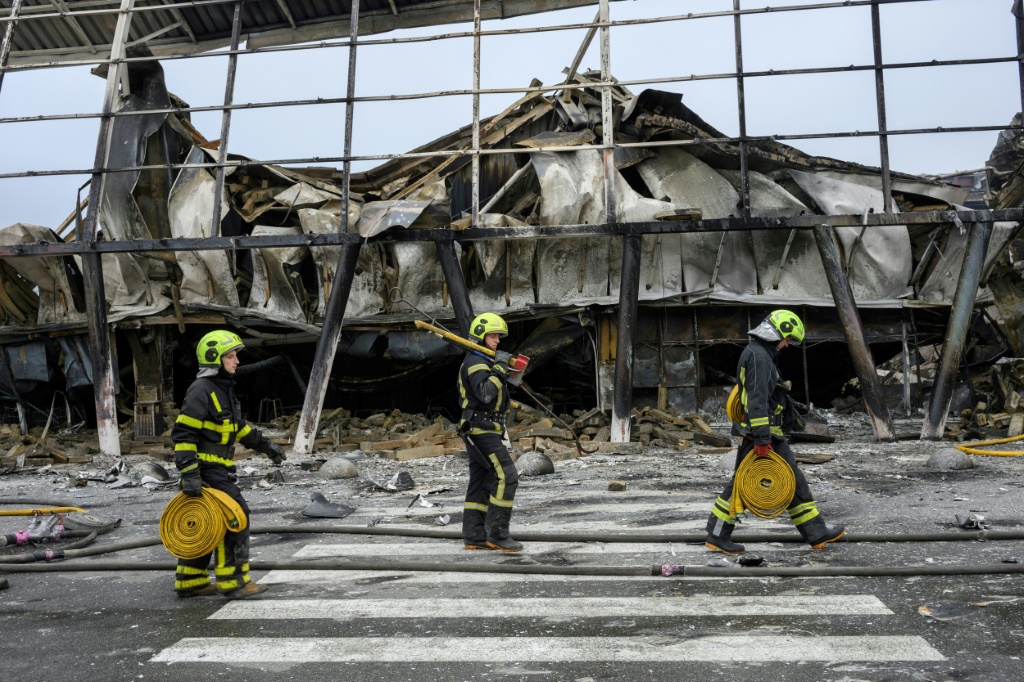
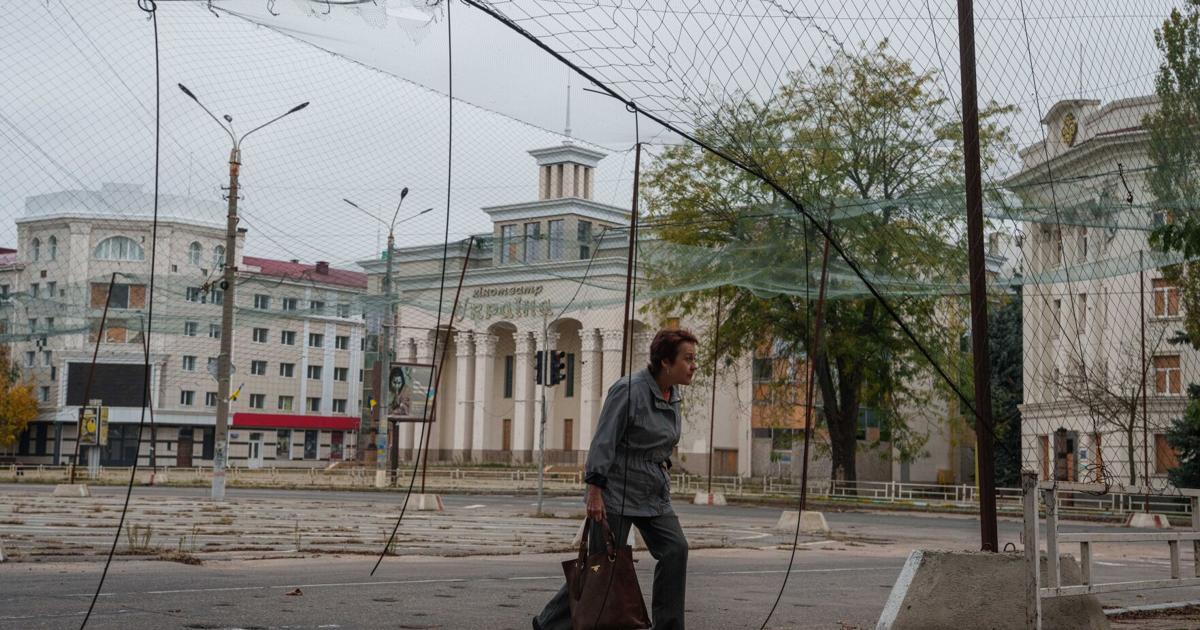
Oleshky lies across the river from the city of Kherson and has been under Russian control since the early months of the full-scale invasion. Over the past few years it has become one of the most dangerous places in the region, with shelling, drone strikes and mined roads making travel nearly impossible. According to White House estimates, between 1,700 and 2,000 residents remain, among them about 50 children. Reporting describes shortages of food, medicine and clean water, limited electricity and roads that need to be cleared of mines before convoys can pass. NBC News described the town as being on the brink of disaster.
Melania Trump's involvement grows out of an earlier initiative on the reunification of children separated from their families by the war. That effort, which the White House publicly welcomed late last year, created a channel of communication between civilian officials in Moscow and Kyiv that survived even as official diplomacy faltered. According to reporting, the Oleshky arrangement followed secret consultations between Mrs. Trump and civilian negotiators from both countries. The Kremlin has acknowledged her role and welcomed the initiative.
Key Developments: How the Truce Works
The White House originally announced a start date of October 29. Russian officials moved it forward, and both sides confirmed that the truce was in effect on October 27. Melania Trump said on X that the timing had been accelerated by two days and that the ceasefire's geographic area had expanded beyond Oleshky itself so that aid convoys could travel safely. Russian human rights commissioner Yana Lantratova said the arrangement lasts until 22:59 Moscow time on November 1, and that as of mid-afternoon on Tuesday it was being fully upheld, with no violations reported.
The mechanics are humanitarian rather than military. Russian and Ukrainian representatives are to coordinate the operation, which is expected to take several days. Civilian leaders from both countries will visit residents' homes to assess their needs, and those who want to leave will be given transport to a destination of their choosing. Demining is part of the work. Russian military officials said they would halt shelling toward Kherson from 4 a.m. Moscow time on Tuesday and carry out engineering reconnaissance to secure the passage of the convoy. The White House said an American media organization would document the operation, a detail that suggests the administration sees value in making the effort visible.
Kyiv responded quickly. Dmytro Lubinets, Ukraine's parliamentary human rights commissioner and head of the Ukrainian negotiating team on this track, said on Tuesday: "As head of the Ukrainian negotiating team, I confirm that the Ukrainian side is honouring its commitments." Ukrainian and American officials had not commented publicly on Lantratova's specific timeline when reports on her statement were published, and the precise boundaries of the expanded zone have not been made public in the sources reviewed here.
The War Around the Truce
It would be a mistake to read the Oleshky arrangement as a sign that the fighting is easing. On Tuesday a Russian missile attack on Kyiv killed at least one person and injured 15, including students in a dormitory, and suspended traffic on the Southern Bridge and parts of the subway. Casualties were also reported in Kharkiv and Pavlohrad. Russia's Defense Ministry said it had struck transport infrastructure in Kyiv and a logistics hub in the Kharkiv region, describing them as military targets. Drone attacks killed people in Russia's Bryansk region and in Russian-held Zaporizhzhia. Both sides deny deliberately targeting civilians.
The previous day, a UN Independent Commission of Inquiry concluded that Russia had committed war crimes by deliberately attacking civilians, and that its attacks on Ukraine's energy infrastructure, particularly during the winter of 2025 to 2026, amounted to crimes against humanity. The report also addressed the recruitment of foreign nationals into Russia's armed forces. Russia rejected the commission's authority and called its findings based on falsified data. The juxtaposition of a humanitarian truce and a fresh UN indictment captures the contradictions of the moment.
The Larger Diplomacy
The truce arrives in the middle of a flurry of activity by President Donald Trump's envoy Steve Witkoff, who recently shuttled between Oslo and St. Petersburg to meet Volodymyr Zelenskyy and Vladimir Putin. He secured the release of an American jailed for more than four years for fighting as a mercenary in Ukraine, and his description of Putin as "humanitarian" drew sharp criticism in Ukraine and in Washington. The Kremlin has said the next round of US-brokered talks is likely to take place in Abu Dhabi around mid-November, which would be the fourth round under the Trump administration following an earlier session in Geneva in February. Zelenskyy has said technical-level talks involving Ukrainian, Russian and American representatives are expected in Abu Dhabi in the first half of November.
Putin has said Moscow is ready to negotiate, but he added that if some prefer a different path, so be it, and Russia followed those words with a deadly barrage on Kyiv. Moscow's stated terms have not changed: full control of Donetsk, Luhansk, Zaporizhzhia and Kherson, plus Crimea, Ukrainian withdrawal from the four annexed regions, a Ukrainian renunciation of NATO membership and a reduction of its military, and the lifting of restrictions on the Russian language and a Moscow-affiliated Orthodox church. Russia occupies about 20 percent of Ukraine, but has not captured all of the regions it claims, and it rejects a general ceasefire until a comprehensive deal on its terms is reached.
Zelenskyy backs a ceasefire that freezes the front lines, followed by negotiations. He argues that surrendering land would leave Ukraine more vulnerable and insists on security guarantees, ideally NATO membership, which Putin rejects and which the United States has currently ruled out. Alternatives under discussion include direct American guarantees in an Article 5-like format and support from the 30-country Coalition of the Willing, though Zelenskyy says any guarantee depends on a strong Ukrainian army backed by substantial allied funding. In this light, a local humanitarian truce is the kind of agreement both sides can accept because it concedes nothing on the core questions.
Reactions and Strains
Reaction to the initiative has been cautiously positive but overshadowed by wider tensions. Russian officials have praised the mediation and stressed the need to keep respecting the terms. Ukraine has pledged compliance while pointing to continuing Russian strikes. The initiative has raised hopes of similar missions to other besieged communities, though analysts cited by the Associated Press note few signs that the parties' fundamental positions have shifted.
US-Ukraine relations, meanwhile, are reported to have reached a new low. Trump has accused Zelenskyy of obstructing peace, and Kyiv has rejected Trump's call to halt strikes on Russian oil infrastructure. Trump's arrangement for Russia to supply American diesel and his rejection of new sanctions on Russia are reported to have strengthened Moscow's hand. Ukrainian officials have also voiced concern about disruptions to satellite support for their drone operations, which they fear could embolden Putin. Against that backdrop, Kyiv has an incentive to avoid being seen as the party obstructing even a small humanitarian gesture.
What's Next
The immediate test is practical: whether convoys reach Oleshky, whether the mined roads are cleared, and whether the truce holds until its stated end on November 1. A successful evacuation of those who want to leave, documented by independent media, would give all three governments something to point to. A breakdown, with each side blaming the other, would be a reminder of how little trust exists.
The longer-term question is whether the channel can be widened. Humanitarian corridors, prisoner and children exchanges and local pauses to repair infrastructure have all been floated at various stages of the war, and the Oleshky model could be replicated if both sides see benefit. But such steps do not address territory, security guarantees or sanctions, and the mid-November talks in Abu Dhabi will confront those issues again. For the residents of Oleshky, the diplomacy is simple: a few days of quiet that could mean the difference between leaving and staying, and between going hungry and eating.
Published By | News Editor