Written By |
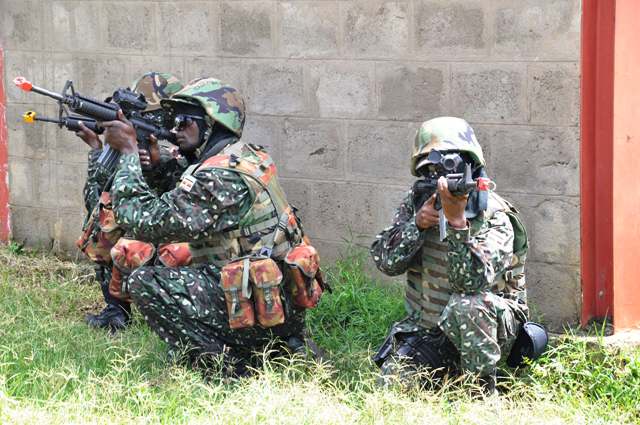
Details surrounding what triggered the clash remain unclear
West Nile
At least four members of South Sudan’s security forces have been killed in a violent border clash with the Ugandan People’s Defence Forces (UPDF), as tensions flared once again over long-contested demarcation lines between the two countries.
The deadly confrontation occurred on Monday in a remote area of Uganda’s West Nile sub-region, near the border with South Sudan’s Central Equatoria state, and has reignited concerns over fragile military relations between the neighbouring nations.
According to UPDF spokesperson Major General Felix Kulayigye, the fighting broke out when South Sudanese troops crossed into Ugandan territory, established a camp, and refused to leave. Ugandan forces responded with force after one of their soldiers was shot and killed, he said.
“We had to apply force,” Kulayigye stated, confirming that three South Sudanese soldiers were killed in the exchange. However, Wani Jackson Mule, a South Sudanese official in Central Equatoria, claimed five bodies of South Sudanese troops were recovered.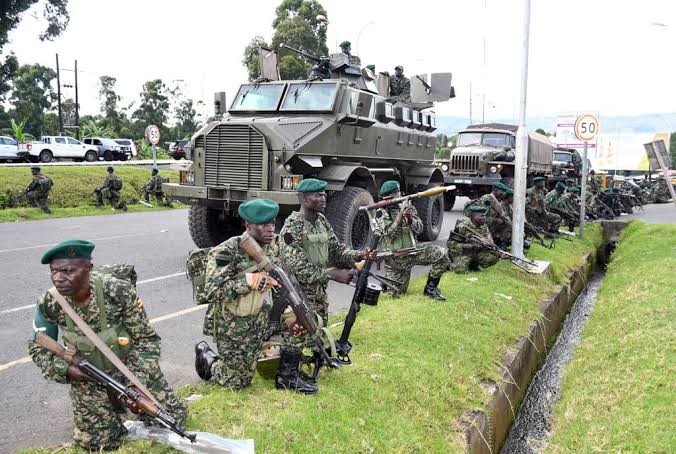
Conflicting accounts and ceasefire agreement
Details surrounding what triggered the clash remain unclear, with opposing narratives emerging from both sides. South Sudanese local commander Henry Buri accused Ugandan troops of launching a "surprise attack" on a group of 19 joint operation forces, claiming they were “heavily armed with tanks and artillery.” South Sudan maintains that the location of the clash falls within its sovereign territory.
Meanwhile, a joint statement from South Sudan’s military spokesperson, Major General Lul Ruai Koang, confirmed that senior military leaders from both nations have since agreed to an immediate ceasefire and a joint investigation into the incident. “There has been loss of lives and injuries on both sides,” added a local statement from officials in the affected border area.
A history of border disputes and military ties
The Uganda–South Sudan border has been a longstanding source of tension, with overlapping claims in several areas. A joint border demarcation committee was established by both governments, but its work remains incomplete. Officials say a final agreement is expected by 2027. Despite this, military conflict between the two nations is rare, especially considering Uganda’s historical alliance with South Sudan’s leadership.
Uganda first deployed troops to South Sudan in 2013 to back President Salva Kiir during the civil war against his rival, Riek Machar. That war, which erupted just two years after South Sudan gained independence, killed an estimated 400,000 people before a 2018 peace agreement was signed.
However, the power-sharing deal has all but collapsed. In March 2025, Uganda redeployed special forces to South Sudan following renewed tensions, with Kiir placing Machar under house arrest, prompting fresh clashes between the South Sudanese army and Nuer militias loyal to Machar. Uganda has since faced accusations of using chemical weapons, including flammable barrel bombs, against civilians in South Sudan’s northeast — allegations the Ugandan military has strongly denied.
Looking ahead
While both governments have pledged to avoid further escalation, Monday's deadly incident underscores the volatile nature of unresolved border disputes and the fragile political situation in South Sudan. Regional observers are urging restraint and transparency in the ongoing investigation to prevent further deterioration of bilateral ties.
Torch Media Africa



