Written By |
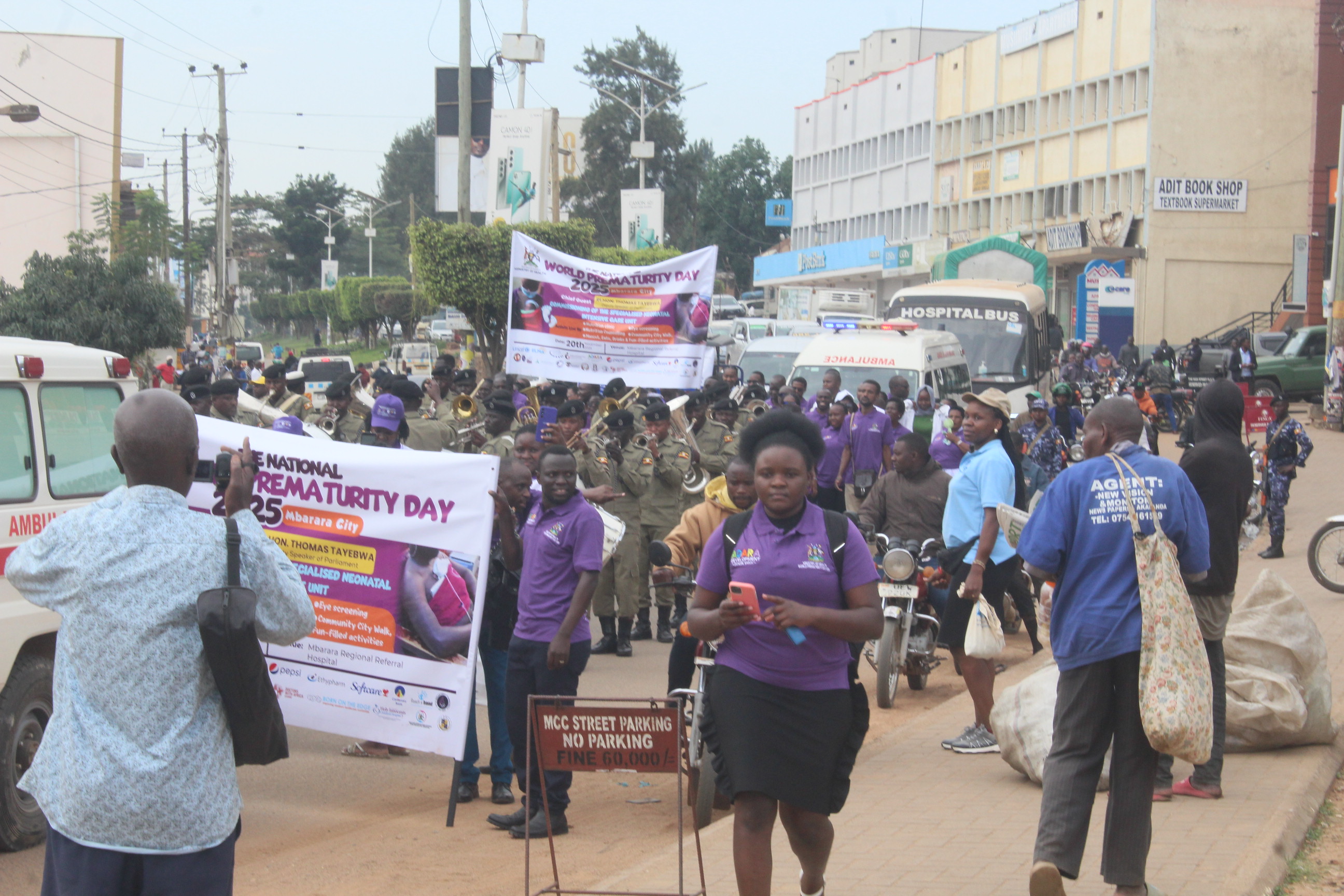
Some of the people that participated in the World Premature Day on the streets of Mbarara City
By Joshua Nahamya
Mbarara City
Mbarara Regional Referral Hospital (MRRH) has appealed to the Ministry of Health to urgently recruit more nurses, midwives, and biomedical engineers to address critical staffing shortages in the Neonatal Intensive Care Unit (NICU), which continues to receive an overwhelming number of preterm babies.
The call was made on Thursday during the commemoration of World Prematurity Day, where hospital administrators, medical experts, and mothers of premature babies expressed concern over what they termed as an “alarming human resource crisis” that threatens the quality of newborn care.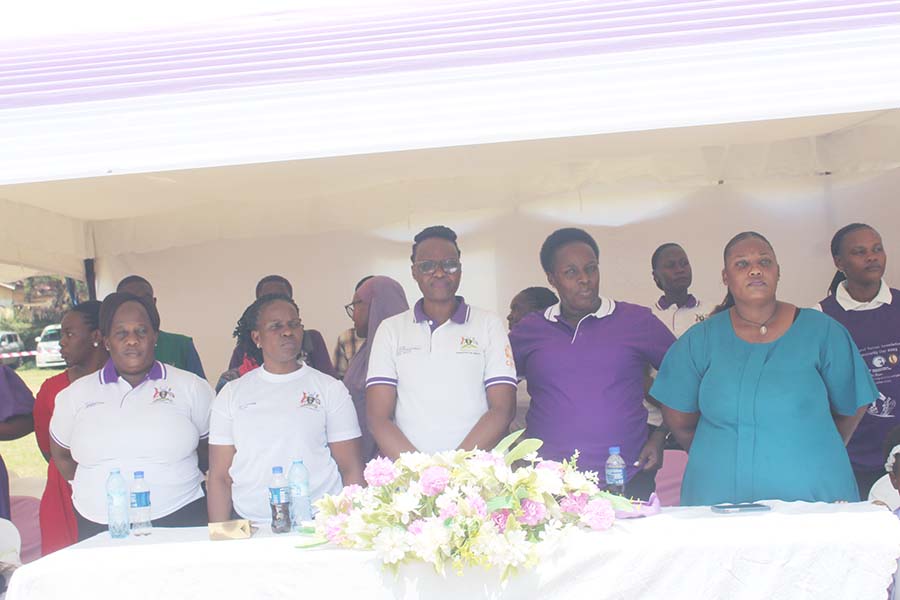
Some of the nurses, mothers that turned up for the World Premature Day
Staffing at 25% Despite Rising Demand
MRRH Acting Director, Dr. Deus Twesigye, revealed that the hospital is operating at only 25% of the required staffing, yet it handles highly specialized and super-specialized services for a population of over 6.7 million people across 12 districts and Mbarara City. “Despite having 41 specialized units, including neurosurgery and neonatology, our staffing level is still at about 25%. This affects our ability to handle national, regional, and refugee referrals,” Dr. Twesigye said. 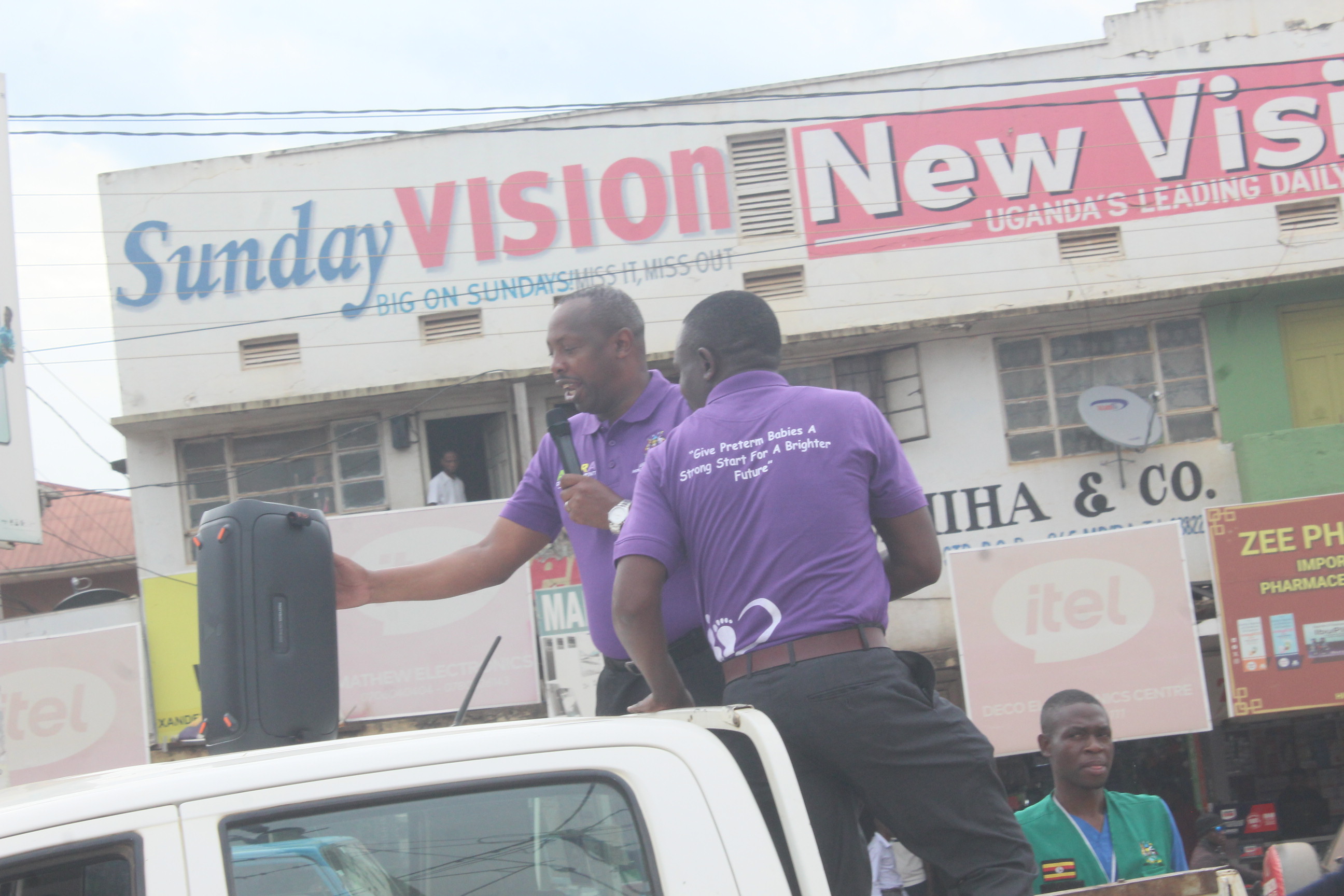
Dr Deus Twesigye joined the walk for the World Premature day
He commended the Ministry of Health and the World Bank for supporting the construction of a 100-bed modern NICU, now nearing completion, but warned that without additional staff, the new facility may not function effectively.
“As we get bigger and more sophisticated spaces, better machines, and increased bed capacity, we must remember that without improved staffing, these buildings will require continuous support that we currently cannot meet,” he added.
Medics Working in “Unbearable” Conditions
NICU Head, Dr. Stella Kyoyagala, said the unit is currently run by only eight nurses—three employed by the Ministry of Health and five supported by MUST-led grants—yet they care for up to 60 premature babies per nurse, instead of the recommended ratio of 1:4.
For critically ill babies under 1kg, the required ratio is 1:1.
“The heat in the unit is unbearable. Some nurses and doctors have fainted during ward rounds due to congestion and exhaustion. We are excited about the new NICU, but eight nurses cannot run it. We urgently need more staff,” Dr. Kyoyagala said.
New Five-Storey NICU Nears Completion
Dr. Elias Kumbakumba, Head of Paediatrics and Child Health at MRRH, said the new NICU—funded by the World Bank at a cost of Shs 14.5 billion—will be the largest standalone newborn care centre in East, Central, and Southern Africa.
The facility includes: A 37-bed preterm unit, A term-baby care unit, Two fully equipped operating theaters, Outpatient clinics, A mother’s hostel, Training and research spaces
“Currently, we manage about 80 newborns in a very small, crowded space. The new unit will transform newborn care in this region, but it requires at least 100 nurses to operate effectively. We only have eight,” Dr. Kumbakumba stressed.
He also appealed for a dedicated biomedical engineering team to maintain the high-end machines in the unit.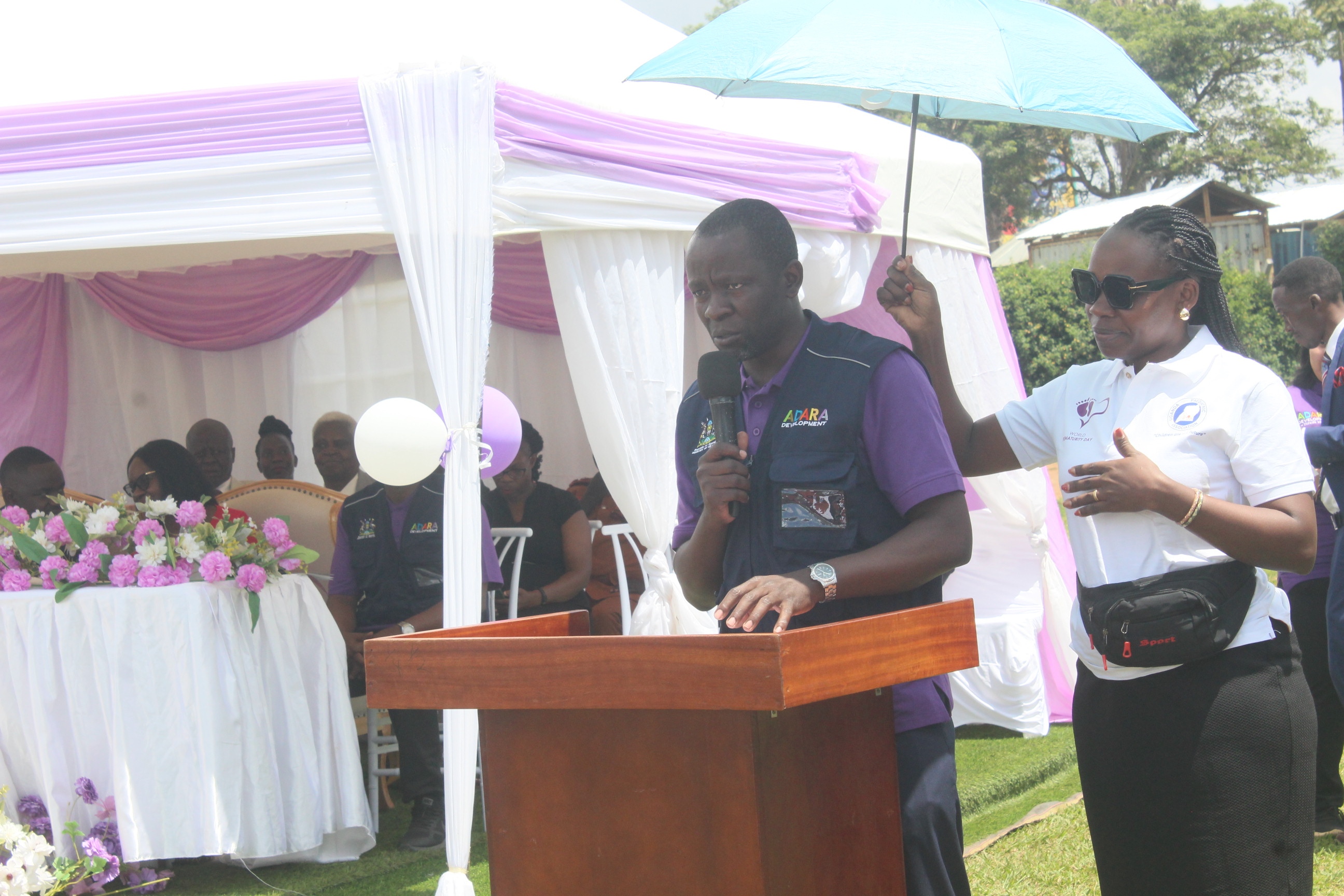
Dr Elias Kumbakumba in-charge of Paedriatrics MRRH-MUST
Mothers Call for Government Support
Nausi Katushabe from Isingiro shared her emotional testimony about giving birth at 28 weeks and 5 days, with her baby weighing only 0.98kg.
“Had it not been for the doctors and midwives at MRRH, my daughter Angel would not be alive. She is now in Primary Three and doing well. But medics are too few and overworked. We also struggle financially because caring for premature babies is expensive,” she said.
Ministry of Health Responds
Assistant Commissioner for Reproductive and Infant Health, Dr. Richard Mugahi, acknowledged the staffing crisis and said the ministry is prioritizing investment in neonatal care.
“We are now intentional about reducing newborn deaths. The government is constructing and equipping NICUs in Masaka, Fort Portal, Mubende, and Iganga before the year ends,” Dr. Mugahi said.
He also revealed plans to subsidize surfactant, a critical but expensive drug for premature babies, costing Shs 1 million per dose.
“We want surfactant to become a free drug for all preterm babies in Uganda,” he said.
Dr. Mugahi further encouraged MRRH to establish a human breast milk bank, noting that Uganda already has two such facilities, with a third about to open in Mbale.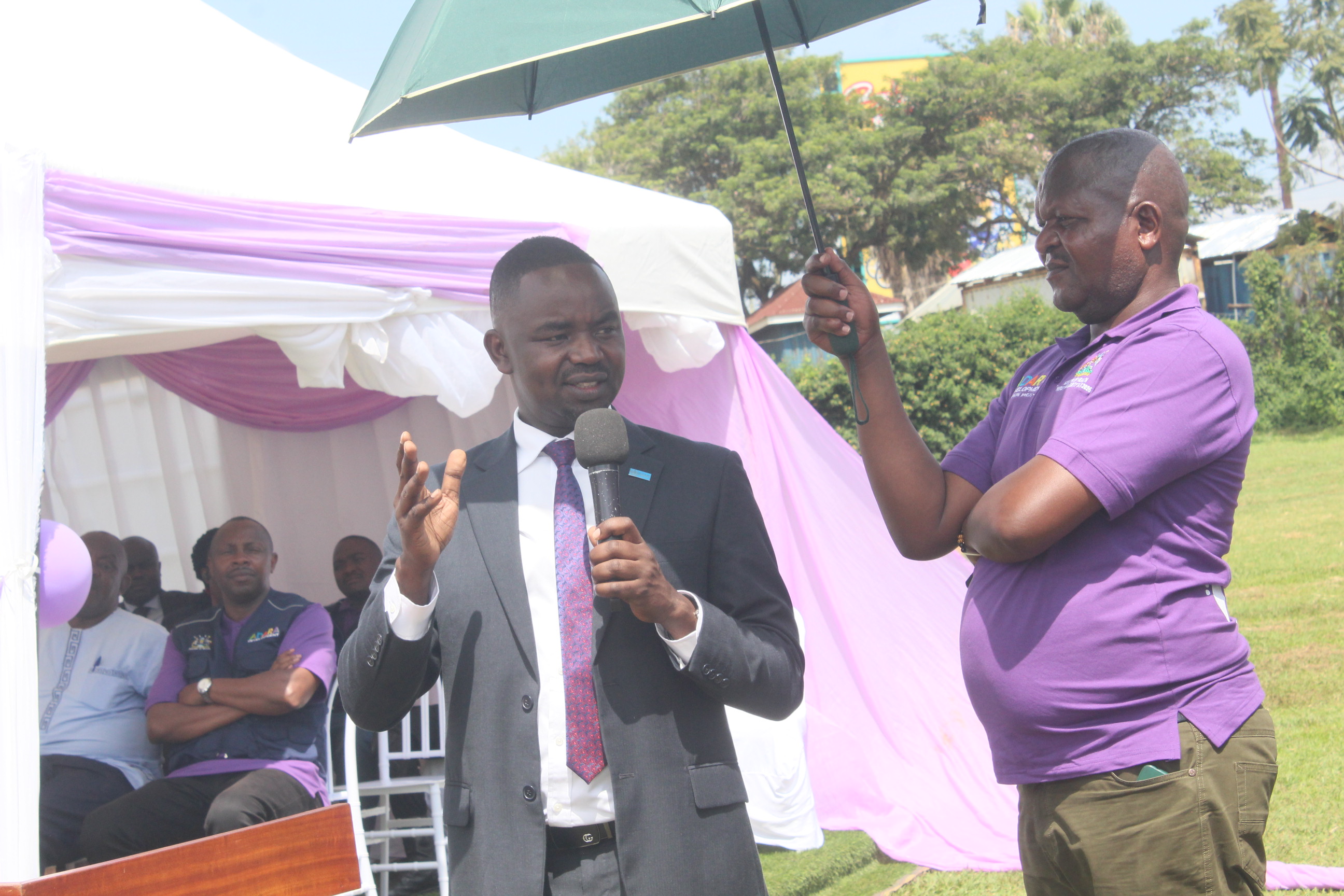
Speaking is Dr Richard Mugahi. Commissioner Child Health and Reproductive Health Ministry of Health
Academia Pledges Support
MUST Vice Chancellor, Prof. Pauline Byakika Kibwika, urged the public not to stigmatize premature babies, citing global icons like Albert Einstein and Isaac Newton, who were born prematurely.
“As a university, we pledge to continue producing doctors, nurses, and biomedical engineers to support this NICU and address understaffing at MRRH,” she said.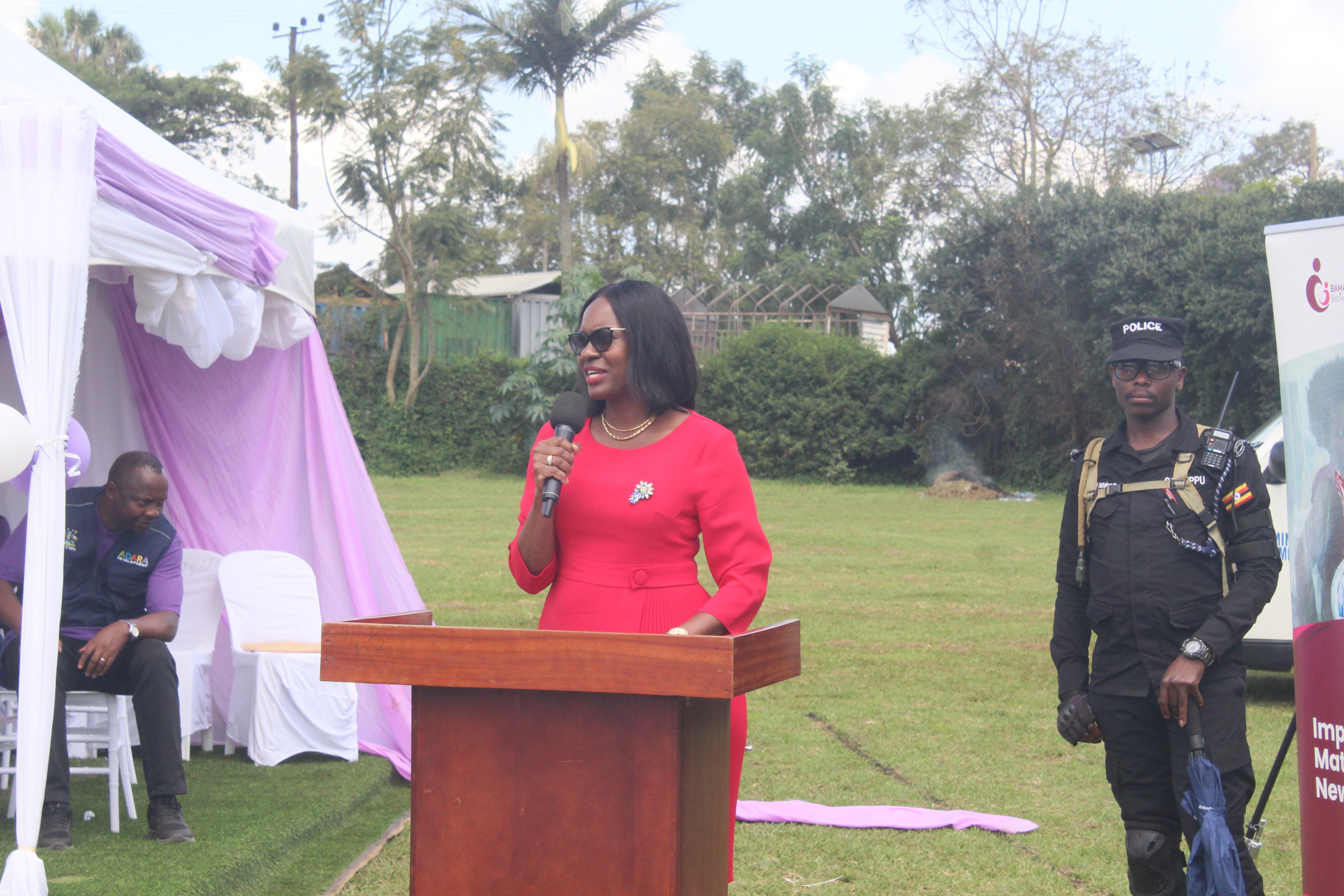
Prof Pauline Byakika, Vice Chancellor Mbarara University
Government Asked to Protect New Facility
Lwengo RDC Emmy Katera Turyabagyenyi hailed the NICU as a milestone in Uganda’s socio-economic transformation and urged communities to preserve it for future generations.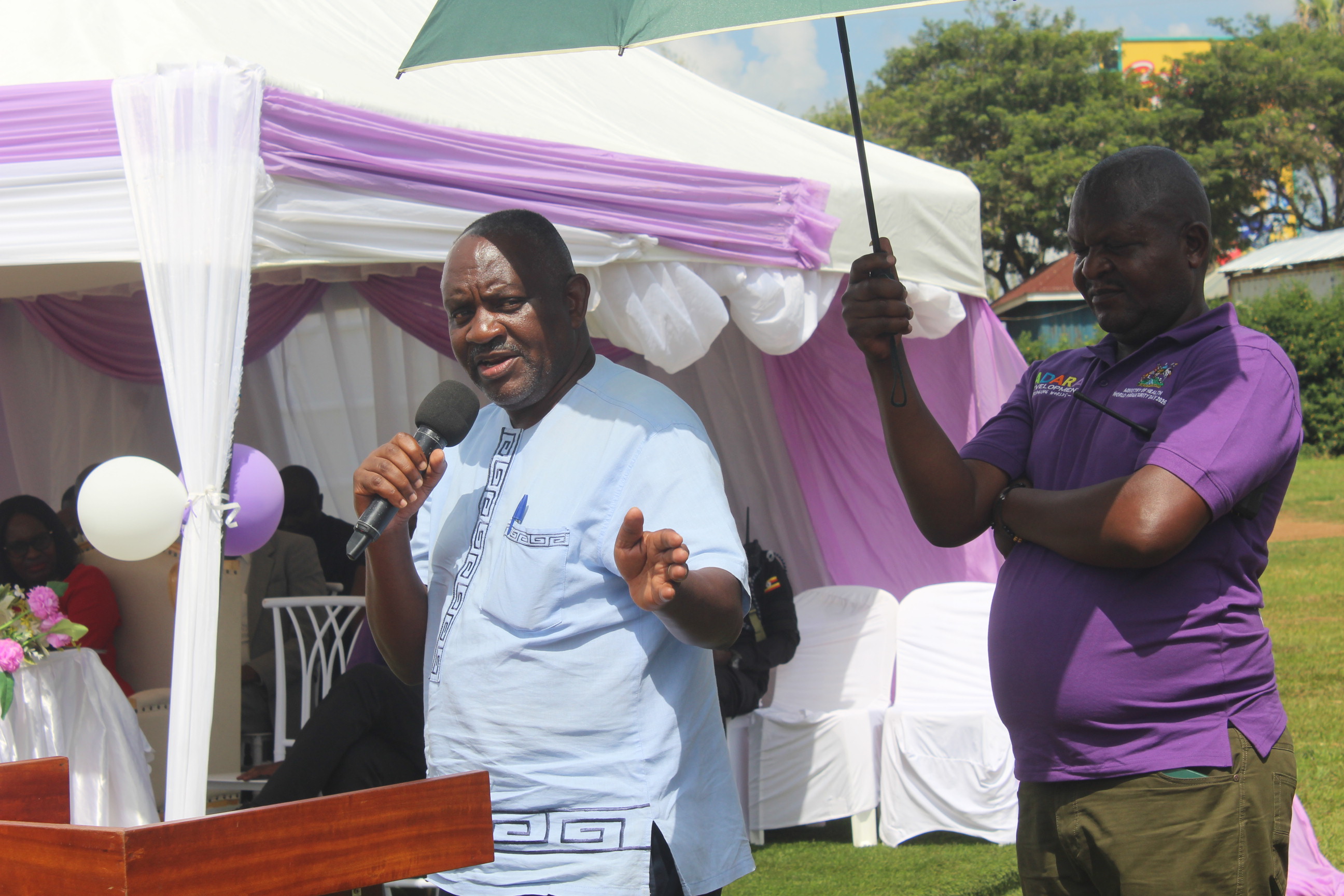
Emmy Katera Turyabagyenyi, RDC Lwengo district
Prematurity Still a Major Cause of Newborn Deaths
Ministry of Health statistics show that 38% of the 39,000 neonatal deaths recorded annually in Uganda are linked to premature birth.
Experts note that premature infants face multiple health challenges, primarily due to underdeveloped lungs and weak immunity.
Torch Media Africa



