Written By |
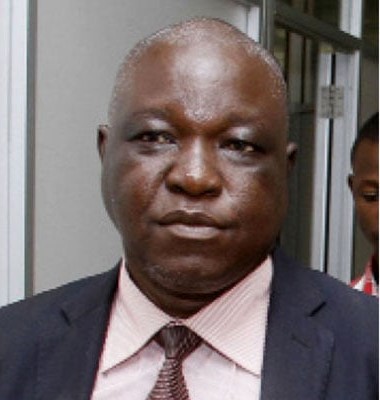
Dr. Onzivua highlighted mishandled investigations, including the death of lawyer Robina Kiyingi and a controversial poisoning case
By Our Reporter
Dr. Sylvester Onzivua, a leading Ugandan pathologist, has raised serious concerns about the competence of the Directorate of Government Analytical Laboratory (DGAL) while presenting his views on the Forensic Evidence Bill, 2024, to Parliament’s Defence and Internal Affairs Committee.
Citing specific cases, Dr. Onzivua highlighted mishandled investigations, including the death of lawyer Robina Kiyingi and a controversial poisoning case, raising questions about DGAL's reliability in analyzing forensic evidence.
In the Kiyingi case, the suspect, Atwine, died mysteriously in custody. A postmortem revealed no evidence of poison when analyzed by DGAL. However, further tests in South Africa identified Lidocaine, a drug that can stop the heart when administered intravenously.
"We had a lawyer called Robina Kiyingi who was shot and during the investigations, the Police did their best and they actually got the guy who pulled the trigger, a man called Atwine and was taken to Luzira. But Atwine died very mysteriously."
Dr. Onzivua revealed confronting the DGAL director, who admitted to incompetence, stating they had not analyzed all samples.
He also referenced another case where DGAL findings led to a 40-year jail sentence. A young man, initially diagnosed with pancreatitis at Nsambya Hospital, had his body exhumed, and DGAL claimed to detect poison. Dr. Onzivua questioned the validity of these findings, as the timeline suggested poisoning months prior to death—an improbable scenario for acute poisoning.
I have looked through some of the Directorate of Government Analytical Laboratory (DGAL) evidence, some of them are outright lies, just that sometimes when you don’t know, you may not be able to appreciate. In the Hussein Akbar Godi case, DGAL went and said, they picked soil samples from the scene and also compared it with samples from Godi’s shoe sole and then the match was 99%. That is a lie. Soil can never be compared to DNA to an accuracy of 99.9%, outright lies- Dr. Sylvester
Dr. Onzivua’s testimony underscores the potential risks of forensic inaccuracies in administering justice. He called for improved standards and accountability in forensic analysis to prevent wrongful convictions and ensure public trust in Uganda’s justice system.



