Written By | Baker Kwikiriza
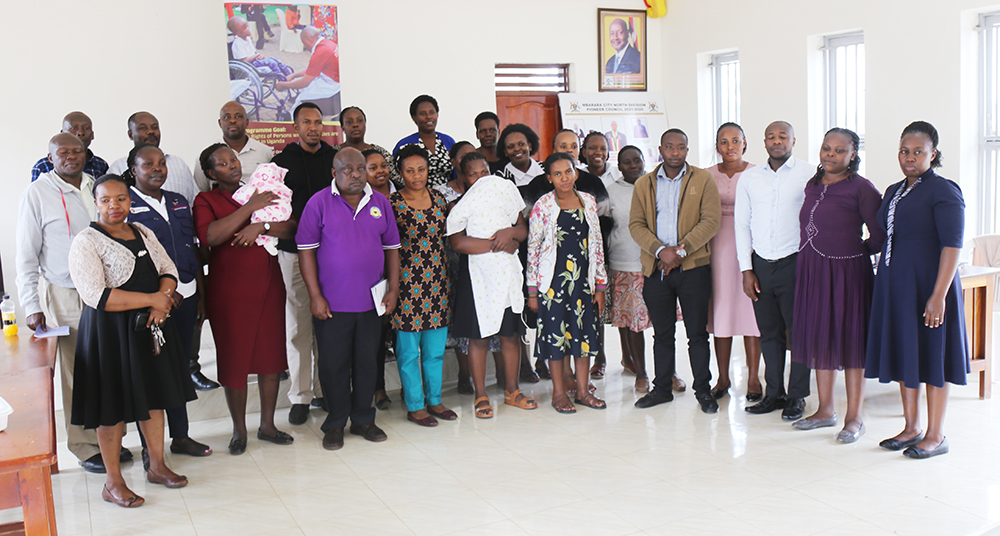
The trainnees: Peter Ssebutinde said it is the responsibility of every health worker to ensure that children born with disabilities receive proper medical attention from the beginning.
Mbarara
Health workers and Village Health Teams (VHTs) in Mbarara City and Mbarara District have undergone training on improved ways of handling and supporting people with disabilities, especially those living with spina bifida and hydrocephalus.
The training was organized by the Spina Bifida and Hydrocephalus Association of Uganda (SHAU) and aimed at strengthening the capacity of health workers to provide better care, support, and referral services for affected individuals.
Improving Care for Persons with Disabilities
Speaking during the training held last week in Kakiika and Kamukuzi divisions, health officials emphasized the importance of early identification, proper management, and continuous support for children born with disabilities.
Peter Ssebutinde said it is the responsibility of every health worker to ensure that children born with disabilities receive proper medical attention from the beginning.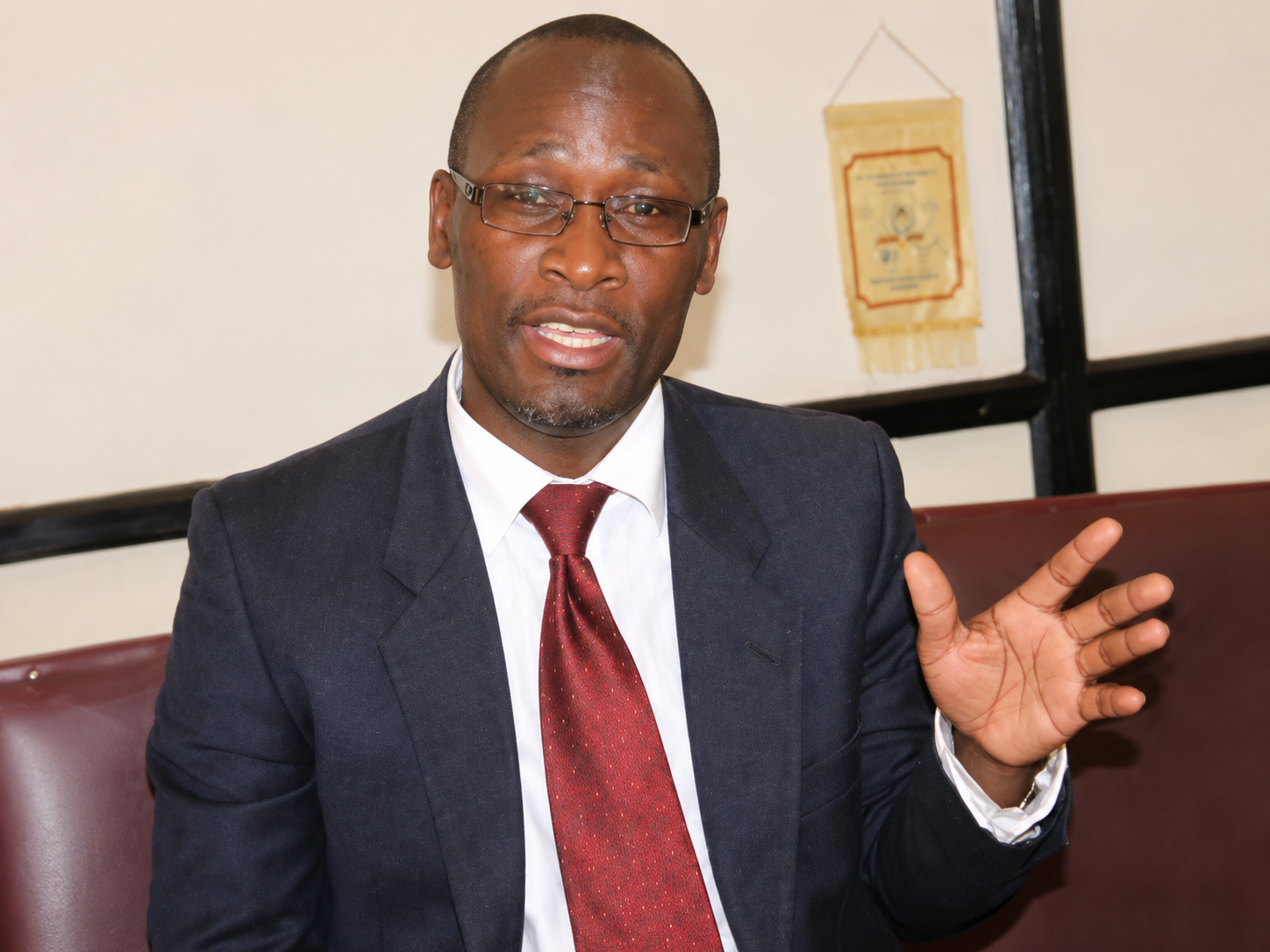
Dr Peter Ssebutinde, Mbarara District health Officer
“It is the duty of every health worker to ensure that a child born with a disability is given proper care and support right from birth,” he said.
He also encouraged pregnant women to attend antenatal care services regularly, where they can receive folic acid and vitamin supplements that help prevent cases of spina bifida.
“Women should attend antenatal clinics where they can receive folic acid, which helps reduce the risk of spina bifida,” he added.
Prevention Remains Key in Reducing Spina Bifida
Aaron Ndyowawe, an occupational therapist, public health specialist, and Programme Administrator at Organized Useful Rehabilitation Services (OURS) based at Ruharo Mission Hospital, emphasized the critical role of folic acid in preventing spina bifida and other neural tube defects.
He urged women of childbearing age to take folic acid before conception and during the first three months of pregnancy, when the brain and spinal cord are developing.
He noted that spina bifida remains a major public health concern, with significant numbers of cases recorded annually.
“We handle more than 1,400 cases annually, with the Western Region contributing over 100 cases. However, the actual burden is likely higher because many cases go unreported, especially in remote areas,” he said.
He further noted that the cost of managing spina bifida places a heavy burden on families. Surgical intervention alone can cost more than US$1,058 (about Shs4 million) and is only available at a few specialized facilities, including Mbarara Regional Referral Hospital, Ruharo Mission Hospital, CURE Children’s Hospital Uganda, and Mulago National Referral Hospital.
Beyond surgery, children require lifelong rehabilitation, assistive devices, continence care, and regular follow-up.
“Most affected children come from low-income families that struggle to meet the cost of long-term care. This is why prevention through folic acid intake and early antenatal care is very important,” he said.
He called on government, health workers, media, and development partners to increase support for inclusive services and strengthen awareness on maternal health and folic acid supplementation.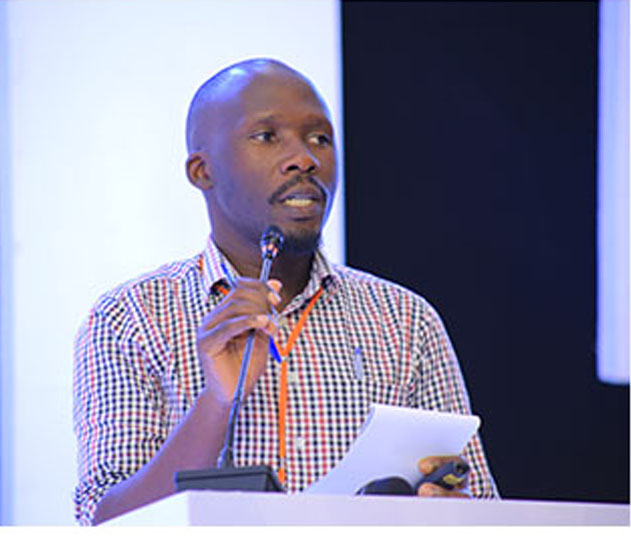
Aaron Ndyowaawe Braham
Challenges Faced by Patients
Byaruhanga Musa, a 37-year-old resident of Kamukuzi in Mbarara City who has lived with spina bifida for many years, shared his experiences and challenges in daily life.
He said he continues to face difficulties accessing services and being treated equally in society despite efforts to live a normal life.
Efforts to End Stigma and Discrimination
Ruth Abarinde emphasized the need to address segregation and discrimination against people living with disabilities.
She noted that many individuals with disabilities continue to face stigma, rejection, and unequal treatment within communities, negatively affecting their development and self-esteem.
“Segregation and discrimination against people living with disabilities remains a challenge in our communities. This affects their access to education, health services, and social inclusion,” she said.
She called for increased community sensitization and equal treatment for all people, stressing that disability should not mean inability.
Understanding Spina Bifida and Hydrocephalus
Spina bifida is a congenital condition that affects a developing embryo as early as 21 days after conception. Health experts explain that by the time a mother realizes she is pregnant, the spinal cord may already have been affected, making the condition irreversible.
Hydrocephalus is a medical condition characterized by an abnormal buildup of cerebrospinal fluid in the brain. This causes enlargement of the brain’s ventricles, often resulting in an abnormally large head in young children.
The training is part of ongoing efforts by SHAU (Spina Bifida and Hydrocephalus Association of Uganda) to strengthen community awareness, improve health worker capacity, and reduce new cases through prevention and education.
Torch Media Africa



