Written By |
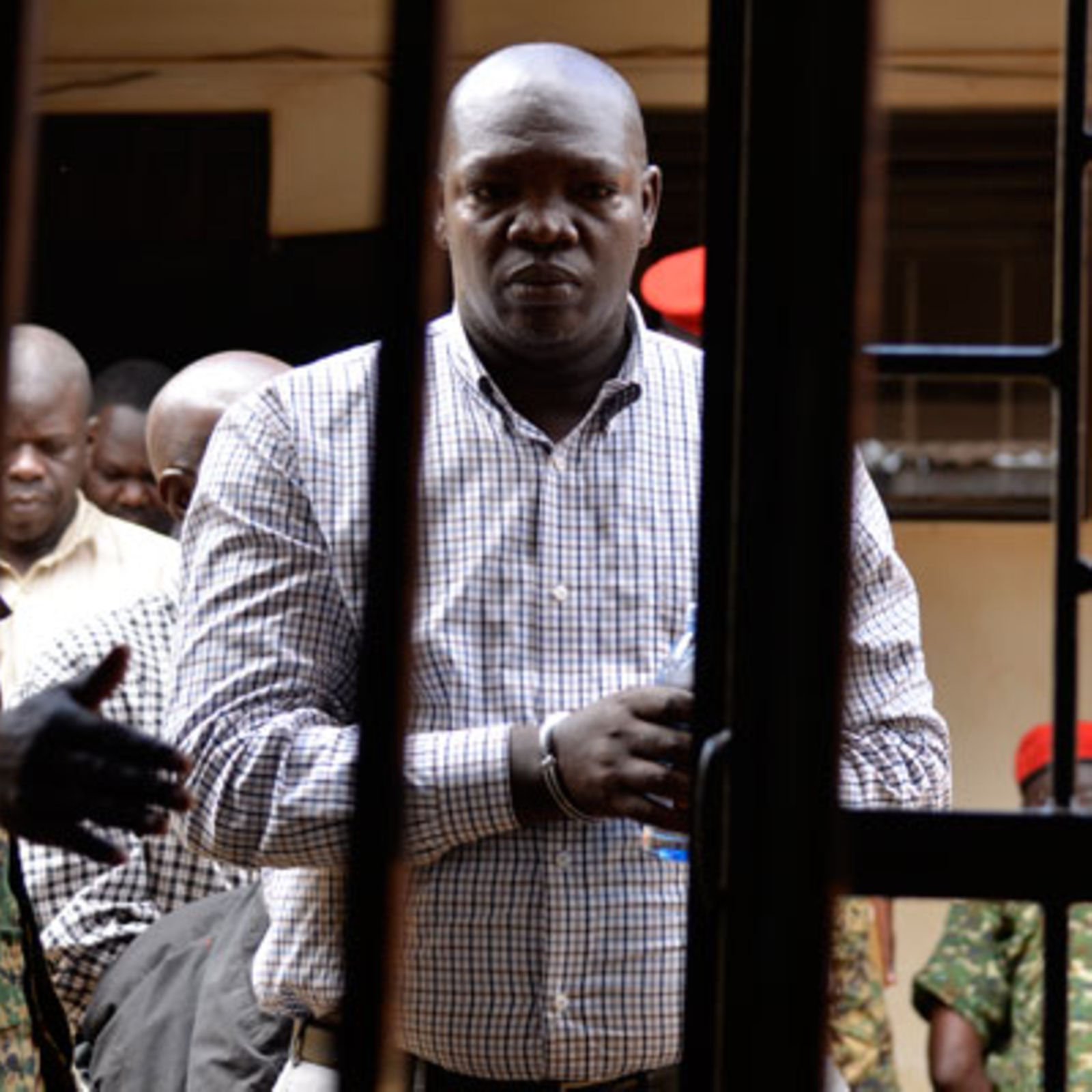
Nixon Agasirwe
By Our Reporter
Kampala
Former Special Police Operations Commander, SSP Nixon Agasirwe, has been arrested and is now facing murder charges in connection with the 2015 assassination of Uganda’s former lead terrorism prosecutor, Joan Kagezi. The arrest was made shortly after a key suspect in the case, UPDF officer Daniel Kiwanuka Kiseka, pleaded guilty in court and directly implicated Agasirwe as the mastermind behind the cold-blooded killing.
Kiseka told the High Court that he was part of a covert team that carried out the murder on the orders of a man he only identified as "Nixon," later confirmed by investigators as Agasirwe. According to Kiseka, Nixon assigned the actual shooting to co-accused John Kibuuka, citing Kagezi’s central role in prosecuting high-profile terrorism cases involving Muslim suspects.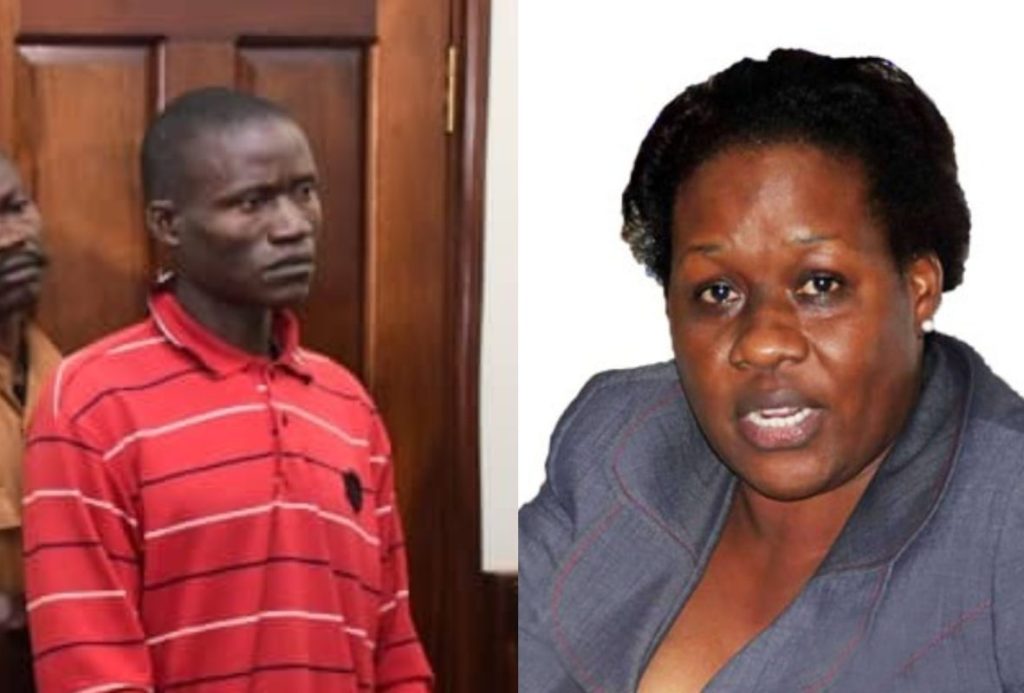
Kisekka was convicted of killing Joan Kagezi
Kagezi was shot dead on the evening of March 30, 2015, in Kiwatule, a Kampala suburb, as she waited in her vehicle with her children. At the time of her death, she was the Senior Principal State Attorney and had led prosecutions against terror suspects including those behind the 2010 Kampala bombings. Her assassination sent shockwaves through Uganda's justice system and marked one of the most audacious attacks on the state’s fight against terrorism.
Kiseka’s courtroom confession appears to have broken open a case that had gone cold for nearly a decade, despite persistent speculation in security circles. His statement reportedly matches earlier intelligence that had quietly linked Agasirwe to the killing—an “open secret” among both security operatives and barroom gossipers in Kampala.
Agasirwe, once feared within the police force, was a close ally of former police chief Gen. Kale Kayihura. He led a notorious unit accused of unlawful arrests, enforced disappearances, and torture. His name previously came up in the 2019 trial involving Abdallah Kitatta, the patron of the Bodaboda 2010 vigilante group. In that trial, Agasirwe admitted to issuing firearms to Kitatta, claiming he did so under Kayihura’s orders.
Following the disbandment of Kayihura’s inner circle and the collapse of their networks, many former operatives reportedly began speaking out in informal settings about atrocities they had witnessed or committed. Kiseka’s confession now gives legal weight to those long-whispered allegations.
“This was more than drunken kafunda talk,” said a Kampala-based journalist who has followed the case for years. “People always suspected that Nixon had a role in Kagezi’s murder. It was just a matter of time before someone from the inside broke ranks.”
Investigators are now focusing on multiple properties owned by Agasirwe in Kiwatule, Najjera, and Kiira—suburbs of Kampala. There are fears some of these may have been financed with illicit funds or even served as illegal detention and torture sites. Some whistleblowers have alleged that victims may be buried under some of the buildings.
The irony of the case is not lost on many: Joan Kagezi was the lead prosecutor in many of the cases involving suspects that Agasirwe and his unit had arrested and allegedly tortured. Her death, if indeed linked to police insiders, would represent a grave betrayal of justice by the very institutions meant to protect it.
“Joan was fearless,” said one former colleague at the Directorate of Public Prosecutions. “She was the face of justice for victims of terrorism and organized crime. If it turns out that her killers came from the state, then this is a dark day for Uganda.”
Agasirwe is expected to appear before the Anti-Terrorism Division of the High Court later this week. Prosecutors from the Directorate of Public Prosecutions (DPP) have indicated they will pursue the case vigorously, buoyed by Kiseka’s detailed confession and additional witness testimony.
The arrest has reopened calls for a wider investigation into extrajudicial operations carried out during the Kayihura era, especially those linked to controversial police units like the Special Operations and the Flying Squad.
“This is not just about Kagezi,” said a human rights advocate. “It’s about unraveling a web of impunity that has haunted Uganda’s security services for over a decade.”
If convicted, Agasirwe could face life imprisonment or the death penalty under Uganda’s laws on murder and terrorism.
Torch Media Africa



