Written By | Joshua Nahamya
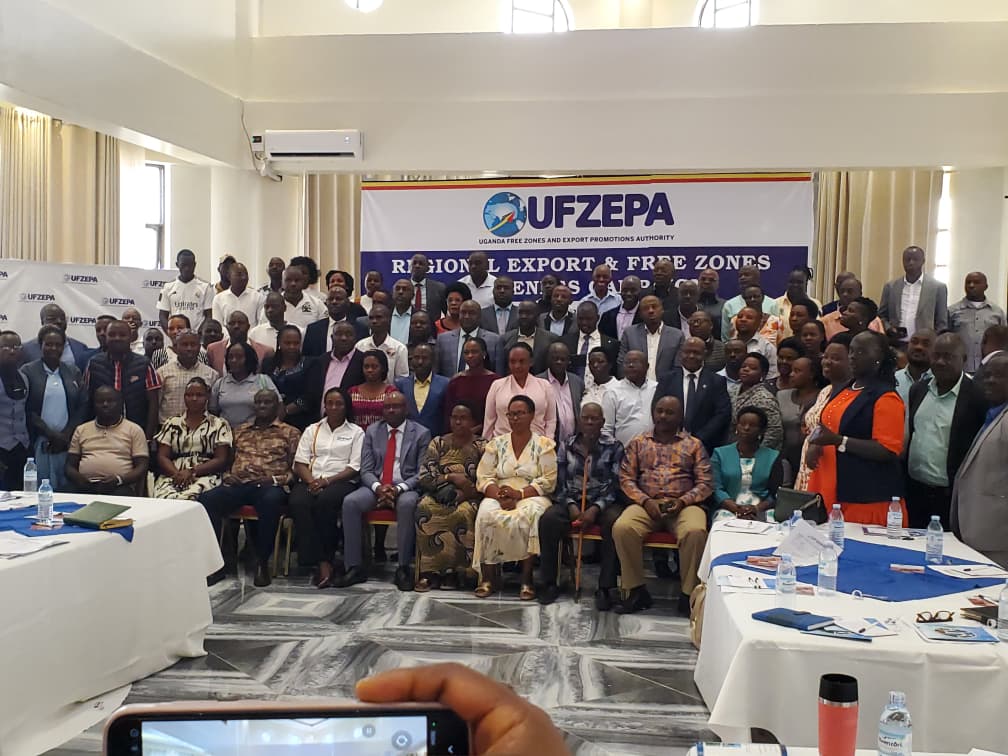
Group photo after UFZEPA training in Mbarara
MBARARA CITY — Local producers and Small and Medium Enterprises (SMEs) in Greater Ankole have been urged to formalize their operations, adhere to international quality standards, and embrace research-driven production to access regional and global export markets.
The call was made during a Regional Export and Free Zones Awareness Meeting on Friday at Las Vegas Garden Hotel in Mbarara City, hosted by the Uganda Free Zones and Export Promotions Authority (UFZEPA) to prepare MSMEs for competition under regional and continental trade frameworks.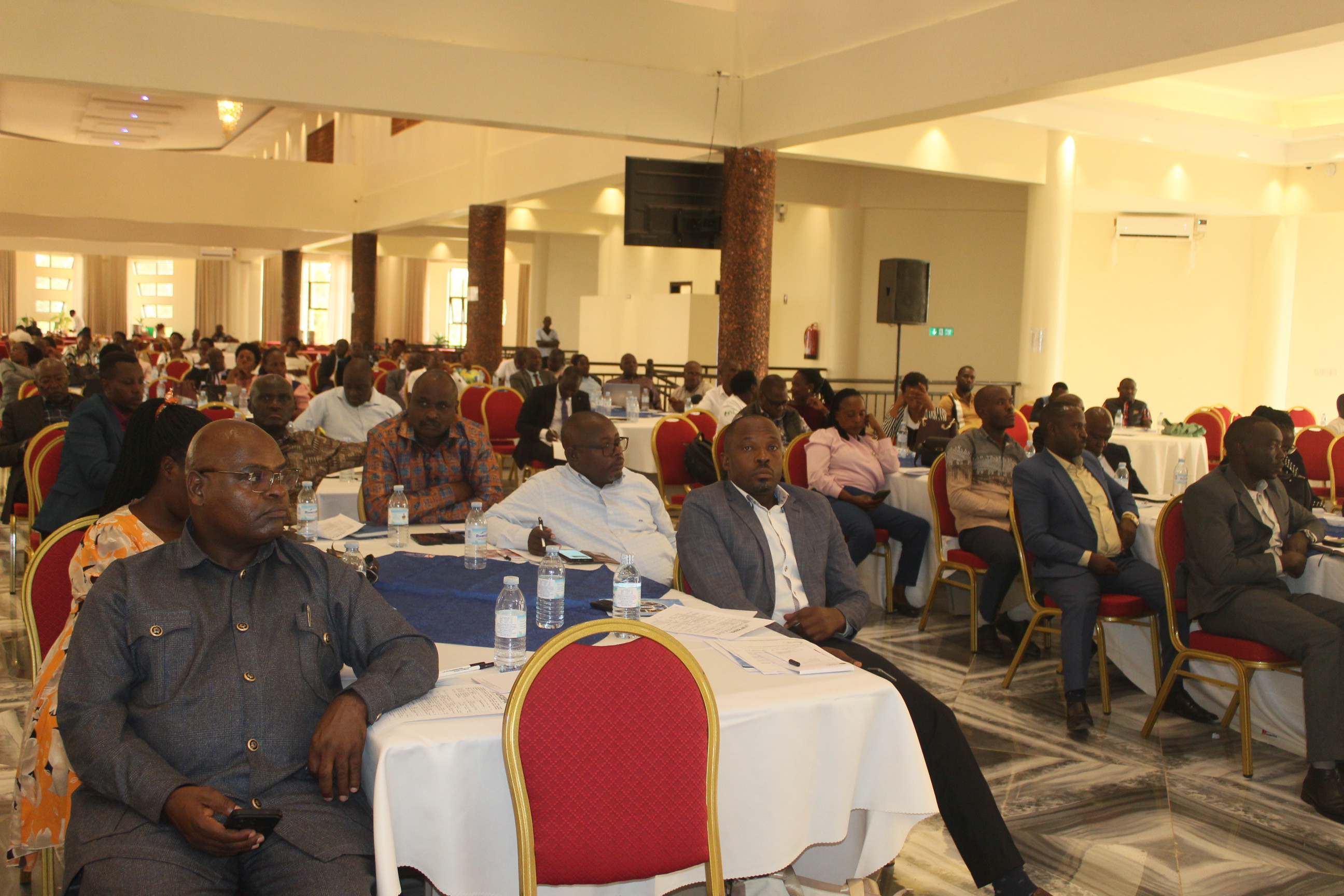
Some of the participants during the UFZEPA engagement on export market in Mbarara
Formalization is key
Speaking on behalf of the UFZEPA Executive Director, Senior Manager Rebecca Wamono Nalumu said many companies remain informal and miss out on lucrative opportunities like the EAC market and the African Continental Free Trade Area (AfCFTA). She cited new regulations such as the EU Deforestation Regulation (EUDR) requiring coffee traceability, which many local producers are unprepared for.
Rebecca Nalumu Wamono, Senior Manager incharge of Special Economic Zones Operations and Compliance UFZEPA
Inter-agency coordination needed
Nalumu noted that poor coordination among agencies has allowed substandard agro-inputs and fake pesticides into the market, damaging Uganda's export reputation. UFZEPA plans to engage at least 100 private sector associations annually to bridge the information gap.
Tough stance on counterfeit agro-chemicals
Emmanuel N. Blair from the Ministry of Agriculture warned that fake acaricides and pesticides will be seized, and new regulations are being drafted to strengthen pesticide residue monitoring. He also urged the public to report unqualified agro-dealers.
Local government calls for streamlined efforts
Aggrey Ategyeka, Principal Commercial Officer for Bushenyi-Ishaka, called for better coordination among central agencies to avoid duplicating outreach efforts. He also urged SMEs to adopt proper record-keeping for data-driven decision-making.
Private sector raises concerns
Simon Seith Mwijuka, Chairman of MBACITA, criticized institutional bureaucracy and called for affordable trade financing, noting that high interest rates and rigid collateral requirements hinder production.
Seith Mwijuka, Chairman MBACITA
Quality, quantity, and consistency
Mbarara City Commercial Officer Allan Buhanda Karakure said penetrating global markets requires meeting three parameters: quality, quantity, and consistency of supply. He urged farmers to adopt modern technologies like greenhouse farming and solar-powered irrigation.
Cooperatives as a solution
Joan Kisakye Nabwemi from the Federation of SMEs encouraged smallholders to form cooperatives to pool yields and meet export quotas demanded by international buyers.
Government reaffirms export-led growth
Delivering remarks on behalf of Trade Minister Sanjay Tanna, UFZEPA's David Katungi said Uganda's exports have grown by 204% over five years, from USD 5.93 billion to USD 18.4 billion. The government aims to raise the export-to-GDP ratio from 12% to 50% under the Ten-Fold Growth Strategy.
"The government recognizes exports as a critical driver of economic transformation," Tanna stated. "SMEs are the backbone of production and innovation, but they need support in finance, standards compliance, packaging, logistics, and market information."
The Minister declared the workshop open and urged local governments to integrate export development into their Local Economic Development frameworks.



