Written By |
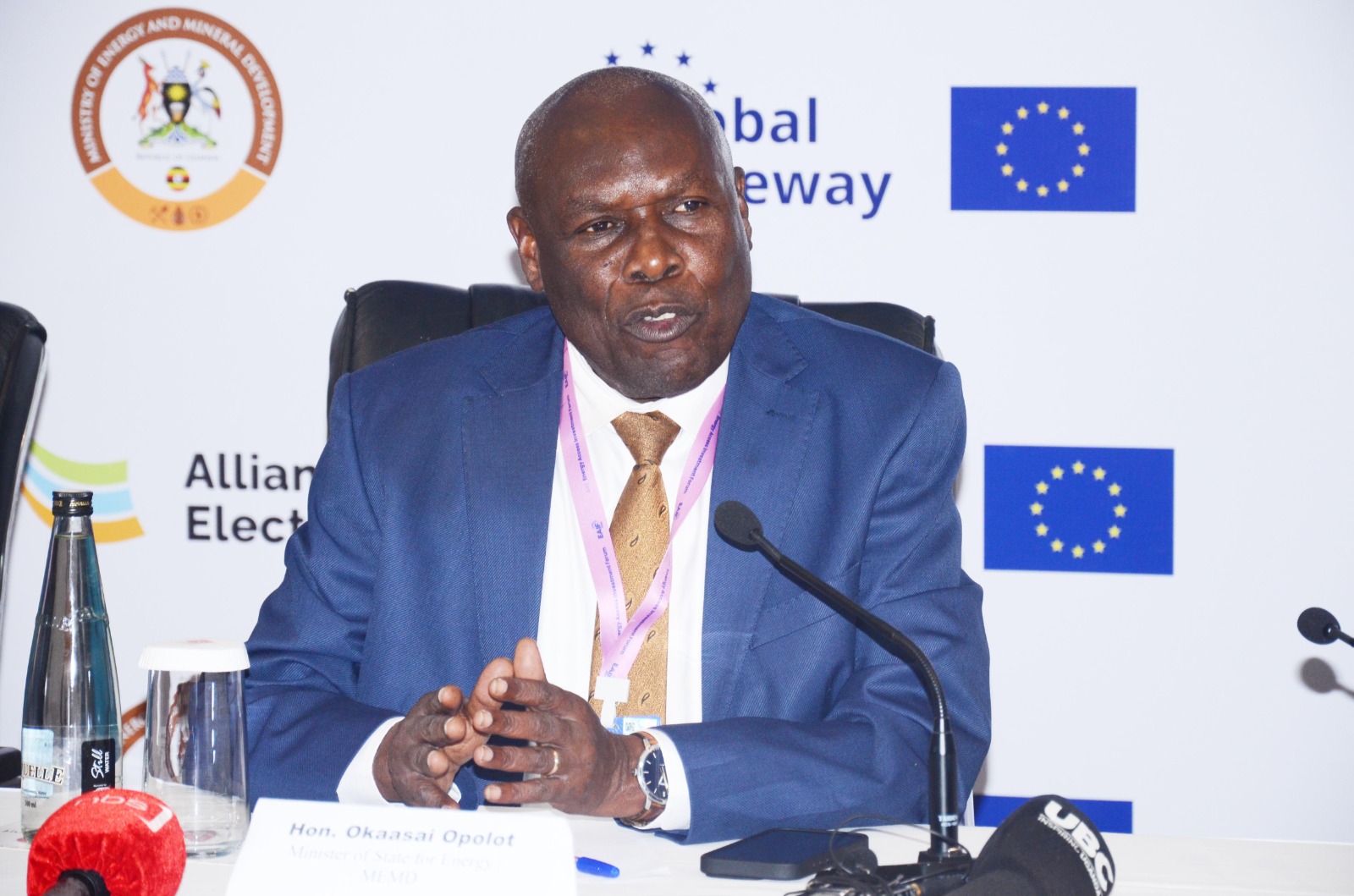
State Minister for Energy, Sidronius Okaasai Opolot
By Milton Niinga
The European Union (EU) has committed to joining efforts to connect over 300 million rural households in Africa by 2030, with climate change interventions high on the agenda. This ambitious goal aims to address energy poverty in hard-to-reach areas of Uganda, promote sustainable economic development, and reduce carbon emissions in the fight against climate change. The Ambassador of the European Union to Uganda, Jan Sadek, said that the EU has reaffirmed the urgency of achieving universal energy access across Africa by 2030, with several countries pledging substantial investments.
“In Uganda, we shall prioritize financing for major rural energy projects, especially the rehabilitation of Nalubaale and Kira power plants, invest in clean energy to combat deforestation, and support improved distribution strategies,” Sadek said.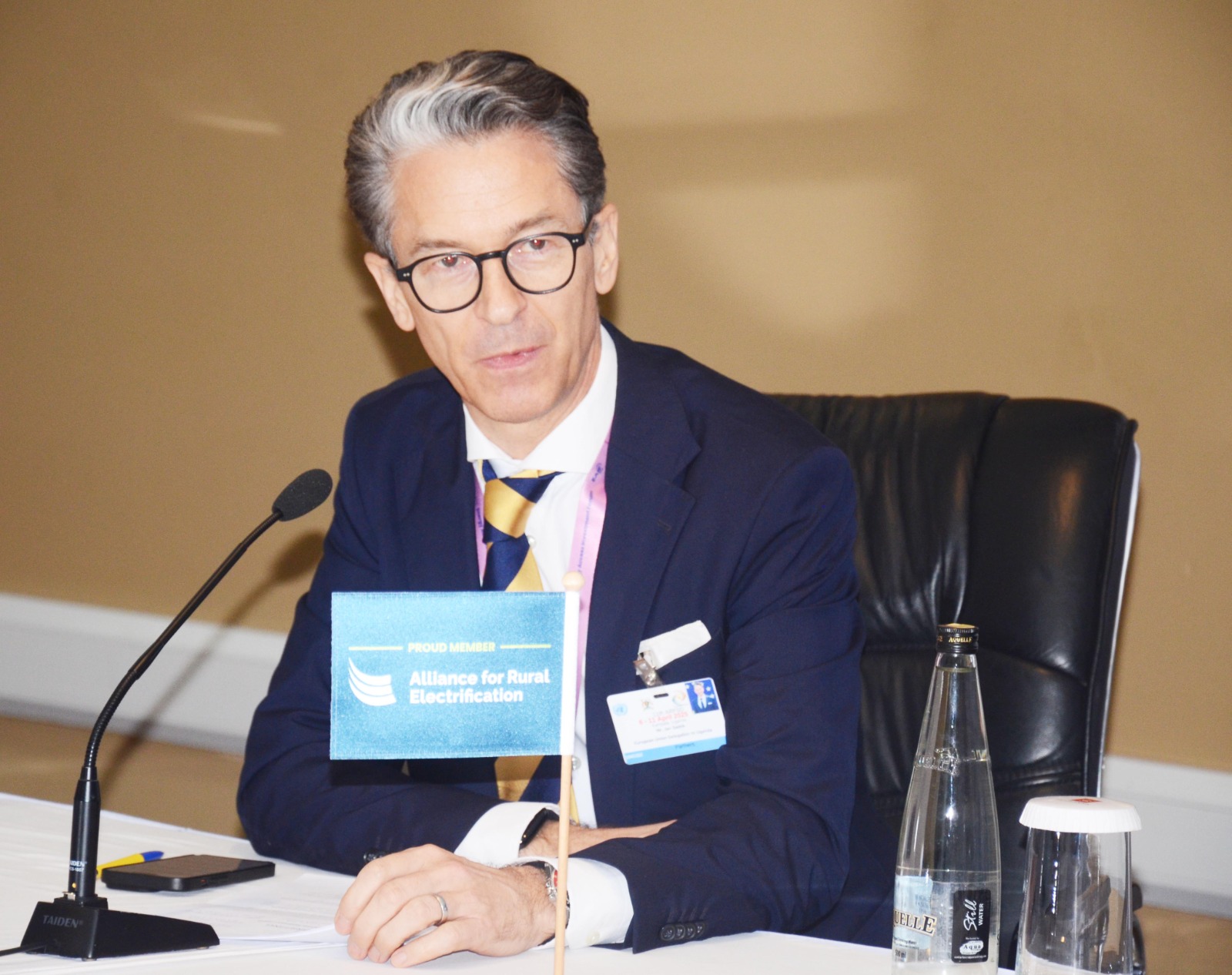
The Ambassador of the European Union to Uganda, Jan Sadek
Speaking at the opening of the 10th Edition of the ARE Energy Access Investment Forum 2025 at Speke Resort Munyonyo on Tuesday, Sadek pledged to support public-private partnerships and the transition to clean energy—an area he said remains inaccessible to many low-income households.
“Despite some partners withdrawing, our commitment as the EU remains unwavering. Our Global Gateway Strategy, launched in 2020 with a €300 billion commitment by 2027, is on track. The EU-Africa Global Gateway Investment Package allocates €150 billion to Africa,” he added.
Sadek also noted that the EU is leading the global pledge for renewable energy and energy efficiency, which was endorsed at COP28. The initiative pushes for tripling global renewable energy capacity and doubling energy efficiency improvements by 2030.
Power to boost irrigation in semi-arid regions
State Minister for Energy, Sidronius Okaasai Opolot, stated that the government's recent decision to reduce power tariffs—following the takeover by Uganda Electricity Distribution Company Limited (UEDCL) from UMEME—is aimed at boosting water-powered irrigation in dry areas. Representing Minister of Energy Ruth Nankabirwa, he said that lowering electricity costs is intended to make irrigation more affordable for farmers, ultimately enhancing agricultural productivity and food security.
Citing examples from Karamoja sub-region, West Nile, and the Cattle Corridor, Okaasai said on Thursday—while speaking at the closing ceremony of the Energy Access Investment Forum 2025—that these regions rely heavily on rain-fed agriculture, making them vulnerable to food insecurity.
“Our focus now is to bring electricity to production zones to support water for production and agricultural irrigation, depending on water availability. Sluggish agricultural practices in villages and parishes have entirely relied on rainfall, but we must emphasize solar or hydro-powered irrigation to uplift those communities,” he pledged.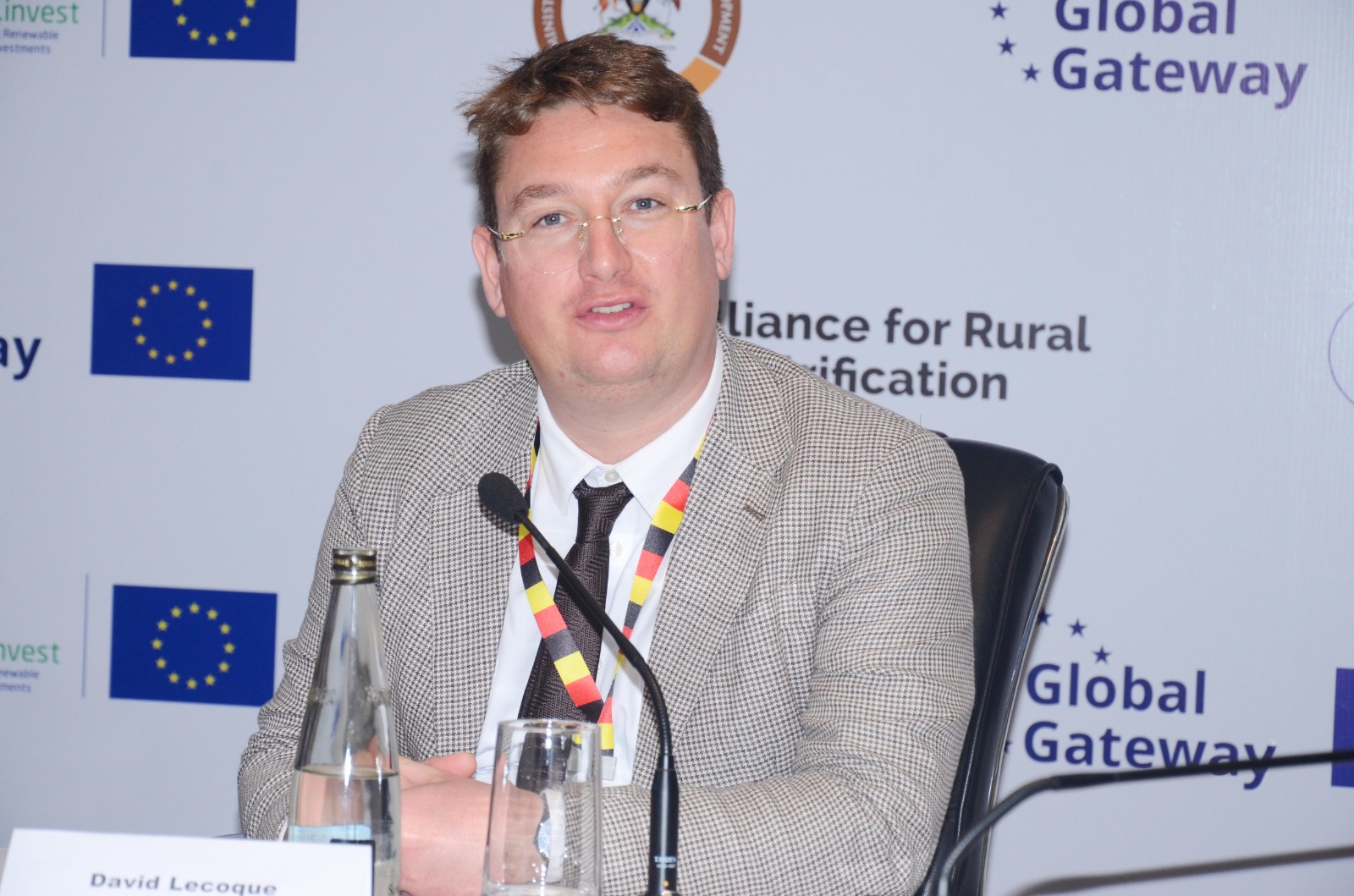
According to Okaasai, President Yoweri Museveni believes that reduced power tariffs will enable farmers to irrigate crops more effectively, resulting in increased yields and improved produce quality.
“With more affordable electricity, farmers can invest in modern irrigation systems, reduce water waste, and improve water management. By enhancing agricultural productivity, this initiative can contribute to food security, sustainable agriculture, and job creation,” he explained.
Investors show interest in rural electrification
David Lacoque, Chief Executive Officer of the Alliance for Rural Electrification, reaffirmed his organization’s commitment to increasing power connectivity in rural areas.
“At the M300 Conference held in Tanzania on January 27, 2025, global leaders pledged over €50 billion to support energy access initiatives. This reinforced commitments to expanding renewable energy infrastructure and accelerating electrification efforts in underserved regions,” he said.
“That’s why we are here—to become one of the leading investors in Uganda’s energy sector, especially in underserved areas,” Lacoque added.
Uganda's National Energy Policy 2023 outlines a roadmap toward achieving universal electricity access and 50% access to clean cooking solutions. Currently, Uganda's electricity access stands at 60%, with 22% connected to the national grid and 38% relying on off-grid solutions, according to Okaasai.
In his closing remarks, Ambassador Sadek reiterated the EU’s commitment:
“In Uganda, we shall prioritize financing for major rural energy projects, especially the rehabilitation of Nalubaale and Kira power plants, invest in clean energy to combat deforestation, and improve distribution strategies.”
Torch Media Africa



