Written By | Sports Desk
Wimbledon, the oldest and most tradition-bound of the four majors, has now made the boldest financial move of any of them — though for some in the locker room, it still falls short.
LONDON
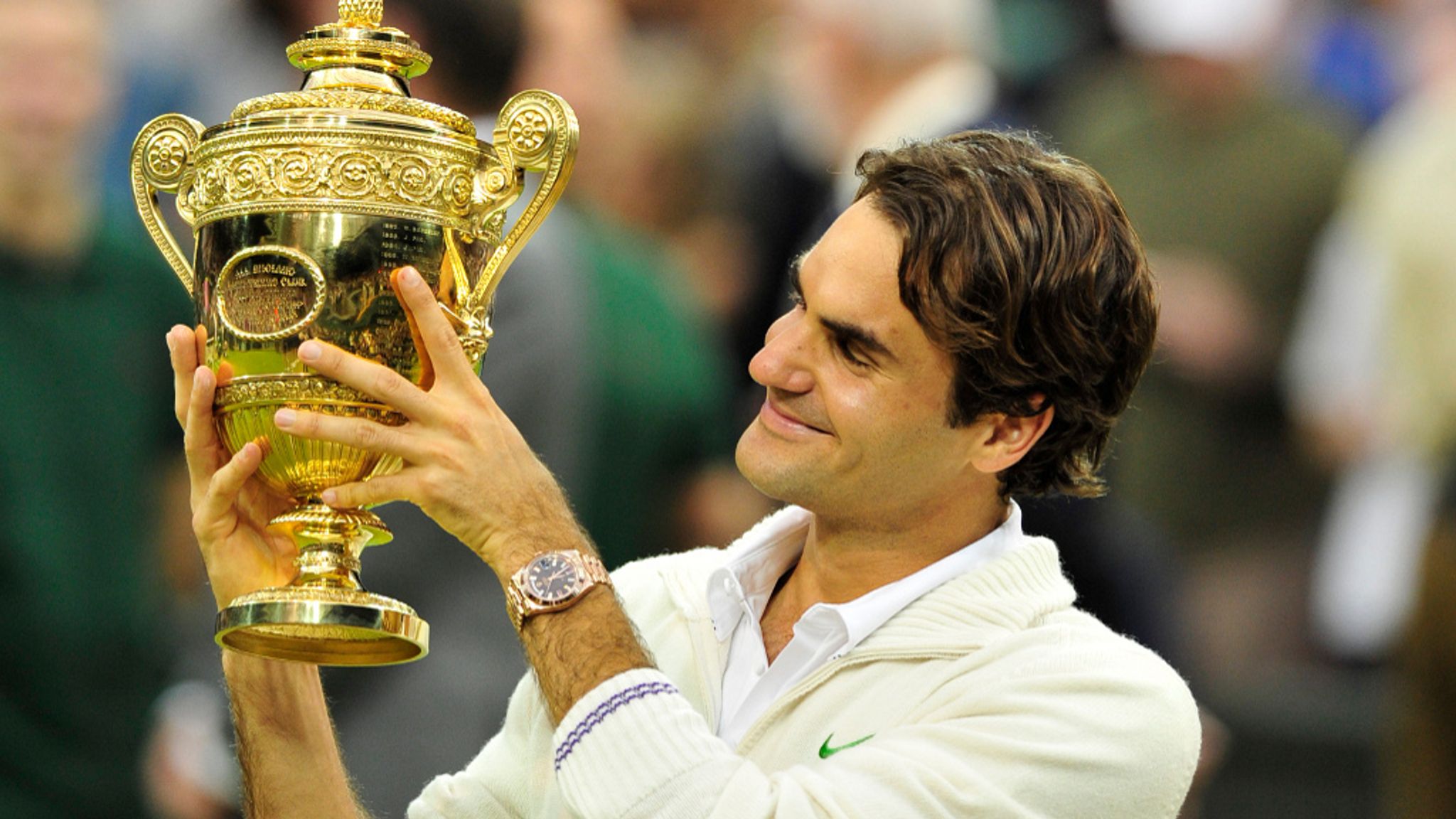
The strawberries will taste a little sweeter at the All England Club this summer. Wimbledon announced Thursday that total prize money for the 2026 Championships will climb to £64.2 million — a 20 percent leap over last year and the biggest annual increase in the tournament's history. The singles champions will each walk away with £3.6 million (roughly $4.8 million), up from £3 million in 2025.
The announcement did not arrive in a vacuum. It comes days after a French Open shadowed by player grumbling about pay, and a year into an increasingly public campaign by the game's elite to claw a larger share of Grand Slam revenues. Wimbledon, the oldest and most tradition-bound of the four majors, has now made the boldest financial move of any of them — though for some in the locker room, it still falls short.
The Numbers Behind the Headline
The detail matters more to the vast majority of the 256 players who will walk through the gates at SW19. A first-round loser now collects £80,000, up from £66,000 last year — an increase of more than 21 percent. For a player ranked outside the world's top 80, that single payday can underwrite months of coaching, travel and physiotherapy.
The qualifying tournament gets an even bigger proportional boost: overall qualifying prize money rises 25 percent, with third-round qualifiers earning £50,000. That is life-changing money at the sport's margins, where players routinely struggle to break even. In percentage terms, the lower rungs have done better than the champions themselves — a deliberate signal that Wimbledon has heard the loudest complaint in tennis: that wealth pools at the very top.
A Sport at War Over Its Wallet
Last year, a group of prominent players sent a joint letter to the four Grand Slams demanding a greater share of tournament revenues. The majors generate hundreds of millions each, yet distribute — by the players' calculations — a smaller percentage to athletes than any major American team sport.
That tension boiled over in Paris this spring. Wimbledon's 20 percent rise is an attempt to defuse the standoff. But players had reportedly hoped for a total closer to £71.7 million — calculated as 16 percent of tournament revenue. At £64.2 million, the All England Club has closed much of the gap while stopping short of conceding a fixed revenue share.
The club points out that prize money is only one line in its ledger. It is midway through an expensive expansion plan and funnels surplus into British tennis. The unspoken argument: a pound paid to a semifinalist is a pound not spent on grass roots.
What the Players Are Saying
Reaction has been measured ambivalence. Players' representatives welcome the increase — it would be churlish not to — while making clear the structural argument is unresolved. The demand was never simply for more money in a given year; it was for a transparent, recurring mechanism tying player compensation to revenue, like collective bargaining in other sports. A record raise is a goodwill gesture, not a settlement. Expect the issue to resurface at the US Open, where the purse has historically been the largest.
What This Means for You
Listen for this story in press conferences: champions will be asked whether £3.6 million is fair, and qualifiers what £50,000 means to them. The answers reveal more about tennis's economics than any press release. And if you have ever wondered why first-round losers look quietly relieved — that handshake at the net is now worth £80,000. There is a broader consumer angle too. The revenue players are fighting over comes substantially from broadcast deals and ticket sales — from fans. As prize pools balloon, the cost of attending has risen as well. The debate over who deserves what share of tennis's golden goose is, at bottom, a debate about the value of your attention.
The Final Word
Wimbledon has bought itself goodwill, and perhaps a quieter fortnight, with the biggest raise it has ever offered. But the deeper fight — over whether players are partners in the sport's success or merely its best-paid contractors — has only been postponed. When the first serves are struck on those immaculate lawns, the tennis will take over, as it always does. The money, though, will be waiting in the wings — and next year, the players will be back asking for more.



