Tunisia enters the second half of 2026 with an economy that is growing again, but only just, and on terms it has largely chosen to set for itself. After a near-stagnant 1.5% expansion in 2024, the North African country's GDP grew 2.5% in 2025, according to the World Bank, lifted by agriculture, the phosphate sector, construction, and a tourism industry finally clawing back the ground it lost after the COVID-19 collapse and the 2015 terror attacks that once devastated the sector. The African Development Bank projects growth will moderate slightly to 2.1% in 2026 before edging up to 2.8% in 2027. Those are not spectacular numbers for a country of roughly 12 million people with youth unemployment above 38%, but they represent a meaningful shift in direction for an economy that spent much of the past five years bouncing along the bottom.
A Modest Return to Growth
The 2025 recovery was broad-based rather than driven by a single windfall. Private consumption and exports carried demand-side growth, while investment remained weak, held back by financing constraints that have persisted since the 2011 revolution reshaped the country's political and economic institutions. Inflation, which had run as high as 7.0%, eased to 5.3%, giving the Central Bank of Tunisia room to begin cutting its key interest rate, which stood at 7% in early 2026. That disinflation is one of the clearer bright spots in the macroeconomic picture: it has taken pressure off households even as the government's fiscal position remains under strain, with the budget deficit projected at 6.1% of GDP in 2026 before narrowing to 5.6% in 2027, according to AfDB estimates.
Tourism Leads the Recovery
Tourism has been the standout performer. Visitor arrivals and receipts surged 10.3% between January and November 2025 compared with the same period a year earlier, continuing a multi-year rebound from the sector's pandemic-era collapse. Coastal resorts along the Mediterranean, historic sites such as Carthage and the medina of Tunis, and package-tour markets from Europe have all contributed to the recovery. Tourism revenue, together with steady remittance inflows from the Tunisian diaspora concentrated in France, Italy, and Germany, has helped offset a structurally weak trade balance and kept the current account deficit from widening further. For a government with limited access to external financing, tourism and remittances have effectively become the two most reliable sources of hard currency.
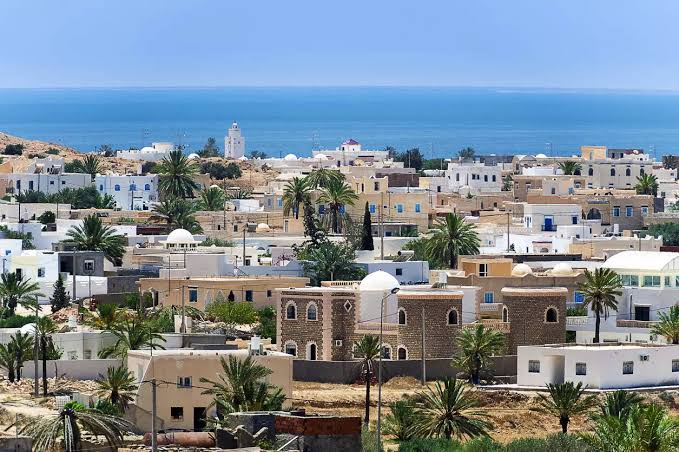
Tunisia
Two Tales in the Fields and the Mines
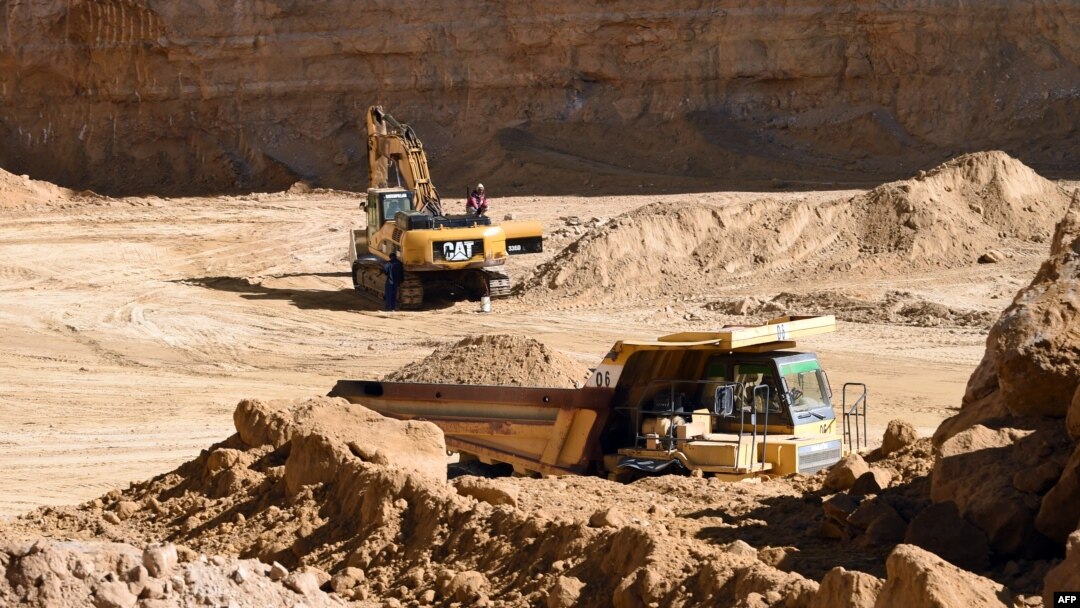
Tunisia's two traditional commodity exports have moved in opposite directions. Olive oil output jumped 55% year-on-year in the 2024/25 harvest thanks to a wetter growing season, cementing Tunisia's position as the world's second-largest olive oil producer after Spain and turning the crop into an unusually strong contributor to export earnings and the balance of payments. Phosphates have told a very different story. Once a pillar of the industrial economy through the state-owned Gafsa Phosphate Company, the sector has been hampered for years by labor unrest, absenteeism, weak European demand, and a persistent lack of financing for maintenance and expansion. Where olive oil has been a demand-side success story amplified by rainfall, phosphates remain a supply-side drag that successive governments have struggled to fix, despite the resource's historical importance to Tunisia's industrial base and export mix.
Saied's Sovereignty Bet: Growth Without the IMF
The defining feature of Tunisia's current economic strategy is what it is not doing: signing a new International Monetary Fund program. President Kais Saied has repeatedly and publicly rejected the terms the Fund has offered, most notably the removal of energy and food subsidies, describing such conditions as "diktats" that risk social unrest and infringe on national sovereignty. In place of an IMF deal, the government has pursued what officials describe as a strategy of self-reliance, financing its needs primarily through domestic borrowing rather than concessional external lending. That approach faces a real test in 2026: Tunisia must settle a €750 million Eurobond obligation due in July, which the government plans to cover using foreign-exchange reserves, while total 2026 financing requirements are estimated at roughly 15% of GDP, split between debt servicing and the fiscal deficit. The government has also signaled it intends to tap international capital markets for close to €2 billion during the year — a notable move for an administration that has otherwise avoided the conventional multilateral route, and one that will test investor appetite for Tunisian risk absent an IMF anchor.
Debt Levels and the Financing Squeeze
Public debt crossed the 80%-of-GDP threshold in 2025, a level that leaves Tunisia with high gross financing needs and significant rollover risk in a global environment where borrowing costs remain elevated. Because the government has cut off the IMF as a source of concessional financing, it has narrower options for managing that debt load than peers in the region that have kept Fund programs in place. The reliance on domestic banks to absorb government paper also risks crowding out private-sector credit at precisely the moment private investment needs to recover to sustain growth above the 2% range. Rating agencies and risk analysts have flagged the July 2026 Eurobond repayment as a near-term stress point worth watching, even though reserves are expected to cover it.

Jobs, Youth, and Social Pressure
Beneath the macro numbers, Tunisia's labor market remains the country's most acute social challenge. Overall unemployment fell to 15.2% in the fourth quarter of 2025, an improvement from earlier in the decade, but youth unemployment remains stuck near 38-40%, a structural problem the current administration has pledged to address without yet delivering a clear turnaround. Weak private investment, labor-market rigidity, and limited productivity gains continue to cap job creation, particularly for university graduates in interior regions far from the tourism-heavy coast. This is also the political backdrop against which Saied's rejection of IMF-style subsidy reform has to be understood: his government and supporters argue that removing food and energy subsidies now, in a country still short on jobs and long on youth frustration, would risk the kind of unrest that has repeatedly destabilized Tunisian politics since 2011.
Outlook
Tunisia's 2026 story is one of cautious stabilization rather than transformation. Growth near 2%, cooling inflation, a resurgent tourism sector, and a bumper olive harvest give the government room to argue that its go-it-alone financing strategy is working. But the underlying vulnerabilities — a stagnant phosphate sector, public debt above 80% of GDP, a persistent fiscal deficit near 6% of GDP, and youth unemployment near 40% — mean the margin for error is thin. How Tunisia manages the July 2026 Eurobond repayment and whether it can genuinely raise close to €2 billion on international markets without IMF backing will be an important signal of whether sovereignty-first financing is sustainable, or merely deferring a harder reckoning.
Published By | News Editor