Written By |
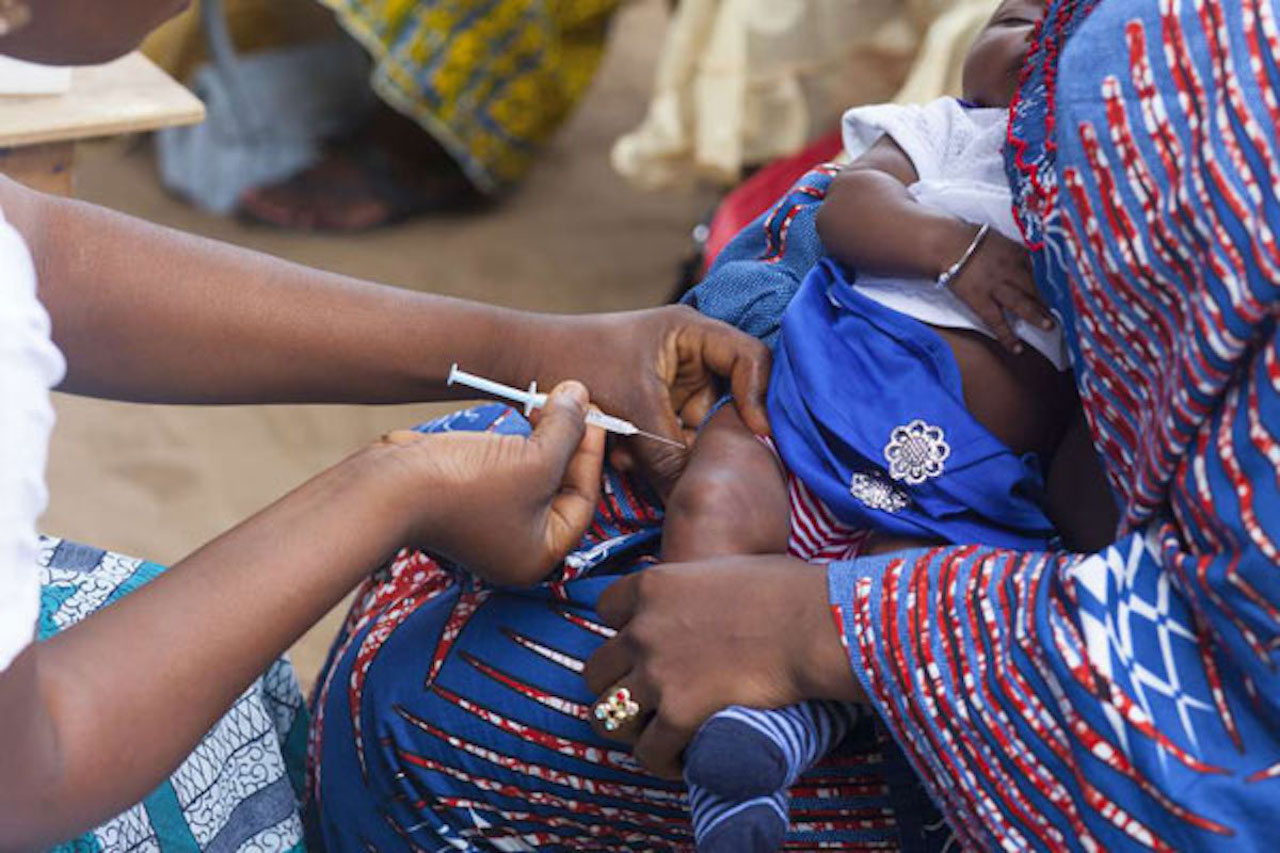
She said both the WHO and the UNICEF have also confirmed the unavailability of the vaccines
People who wish to get vaccinated against Hepatitis B will have to wait due to the shortage of the vaccine that the country is experiencing. Dr. Michael Baganize, the manager of the Uganda National Expanded Programme on Immunization (UNEPI) at the Ministry of Health, said the Hepatitis B vaccine stock-out has lasted for over seven months. “We last received a Hepatitis B vaccine supply at the end of last year,” said Dr. Baganize, who attributed the stock-out to the global shortage.
The Principal Public Relations Officer at National Medical Stores (NMS), Sheila Nduhukire, confirmed the Hepatitis B vaccine shortage. Nduhukire explained that the shortage resulted from the Serum Institute of India, the world’s largest manufacturer of these vaccines, upgrading its production line. She said both the World Health Organization (WHO) and the United Nations Children's Fund (UNICEF) have also confirmed the unavailability of the vaccines.
In October 2022, the government introduced the Hepatitis B vaccination birth dose in routine immunization as an intervention to reduce the risk of mother-to-child transmission of the disease. As such, newborn babies are given a single shot at birth and later continue with the other doses given at six, ten, and fourteen weeks in the immunization routine. Currently, the few available doses in public health facilities are being reserved to vaccinate children at birth.
The news of the Hepatitis B vaccine shortage comes at a time when the country is registering a spike in Hepatitis B infections. Data from the global Hepatitis B report 2024 reveals that in 2022, Uganda recorded 1,123,667 Hepatitis B infections (all ages included), with an estimated 5,547 new cases (incidence rate). In the same year, 1,683 people succumbed to the disease.
The prevalence of Hepatitis B among adults (15 to 64) in Uganda remains high at 4.1 percent, with the northern and Teso sub-regions as high as 4.6 percent. Prevalence is lowest in South Western Uganda at 0.8 percent, according to a survey conducted in 2016. The same survey indicates that the prevalence of Hepatitis B in children is lower at 0.6 percent.
Uganda is not isolated. Painting a global picture, the same report found that data from 187 countries indicated that the estimated number of deaths from viral Hepatitis increased from 1.1 million in 2019 to 1.3 million in 2022, with Hepatitis B causing 83 percent of these deaths.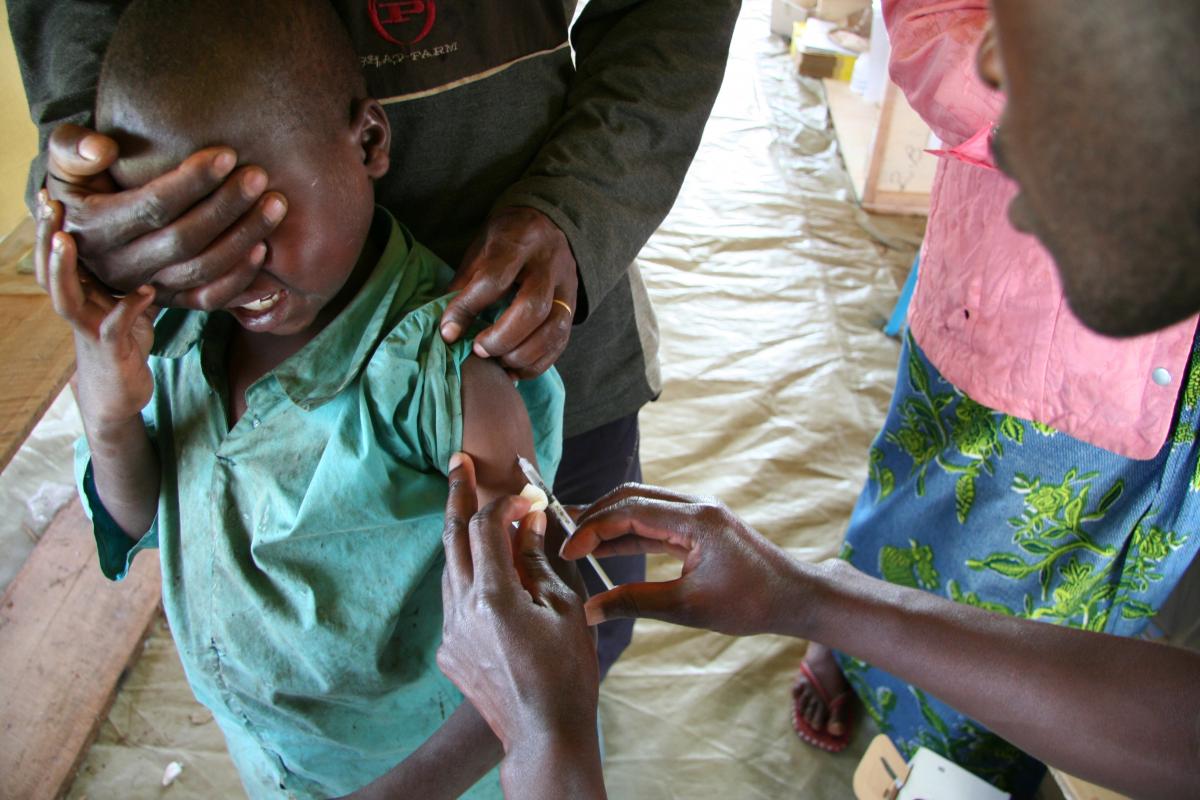
Dr. Gulom Godfrey, the technical director at Lugei Foundation and clinical research associate, said that without the Hepatitis B vaccine, a lot is at stake. Dr. Gulom said there is a likelihood of an increase in the number of new infections that could have been prevented with the vaccine. The most at-risk will be people living in areas with high prevalence of the Hepatitis B virus, such as districts in the northern and Teso regions.
He further explained that the Hepatitis B vaccine offers protection to more than 90 percent of those who have completed all three shots. The Hepatitis B vaccine is given in three doses. When an individual is tested and found to be negative, they receive the first dose of the vaccine. A month later, they get the second dose, and then the third dose five months after the second dose.
Research shows that individuals who get the first dose are protected up to 50 percent. After getting the second dose, the protection increases to 80 percent, and after receiving the third dose, protection is greater than 95 percent. Dr. Gulom noted that Uganda was the first country to roll out the mass vaccination for Hepatitis globally in a phased manner (one to four) with the shift in policy prioritizing the vaccination of mothers and their babies as opposed to the previous mass screening.
He explains that when pregnant mothers are vaccinated against Hepatitis B, it implies the babies are born free of the disease, ultimately protecting and creating a generation free of Hepatitis B.
Dr. Jamadah Aldine Rutakome, the programs director at the Hepatitis Aid Organisation, said with stock-outs of the Hepatitis B vaccine, the burden of the disease is likely to increase. Dr. Rutakome noted that the initial prevalence of Hepatitis B stood at 10.5 percent, but after the mass vaccination was conducted, the prevalence dropped to 4.1 percent in 2016. “However, with the shortage, we are likely to see people who would have been screened and protected being infected with Hepatitis B,” he said.
Hepatitis is an inflammation of the liver caused by a variety of infectious viruses and non-infectious agents, leading to a range of health problems, some of which can be fatal. There are five main strains of the hepatitis virus, referred to as types A, B, C, D, and E. While they all cause liver disease, they differ in important ways, including modes of transmission, severity of the illness, geographical distribution, and prevention methods. In particular, types B and C lead to chronic disease in hundreds of millions of people and together are the most common causes of liver cirrhosis, liver cancer, and viral hepatitis-related deaths. An estimated 354 million people worldwide live with hepatitis B or C, and for most, testing and treatment remain beyond reach.
Many people with hepatitis A, B, C, D, or E exhibit only mild symptoms or no symptoms at all. Each form of the virus, however, can cause more severe symptoms. Symptoms of hepatitis A, B, and C may include fever, malaise, loss of appetite, diarrhea, nausea, abdominal discomfort, dark-colored urine, and jaundice (a yellowing of the skin and whites of the eyes). In some cases, the virus can also cause a chronic liver infection that can later develop into cirrhosis (a scarring of the liver) or liver cancer. These patients are at risk of death, according to the WHO.
Hepatitis B is also the leading cause of liver cancer, with over 300 liver cancer patient admissions at the Uganda Cancer Institute annually as a result of Hepatitis B.
Some types of hepatitis, including the commonest Hepatitis B, are preventable through vaccination. A WHO study found that an estimated 4.5 million premature deaths could be prevented in low- and middle-income countries by 2030 through vaccination, diagnostic tests, medicines, and education campaigns. WHO’s global hepatitis strategy, endorsed by all WHO Member States, aims to reduce new hepatitis infections by 90 percent and deaths by 65 percent between 2016 and 2030.
Torch Media Africa



