Written By |
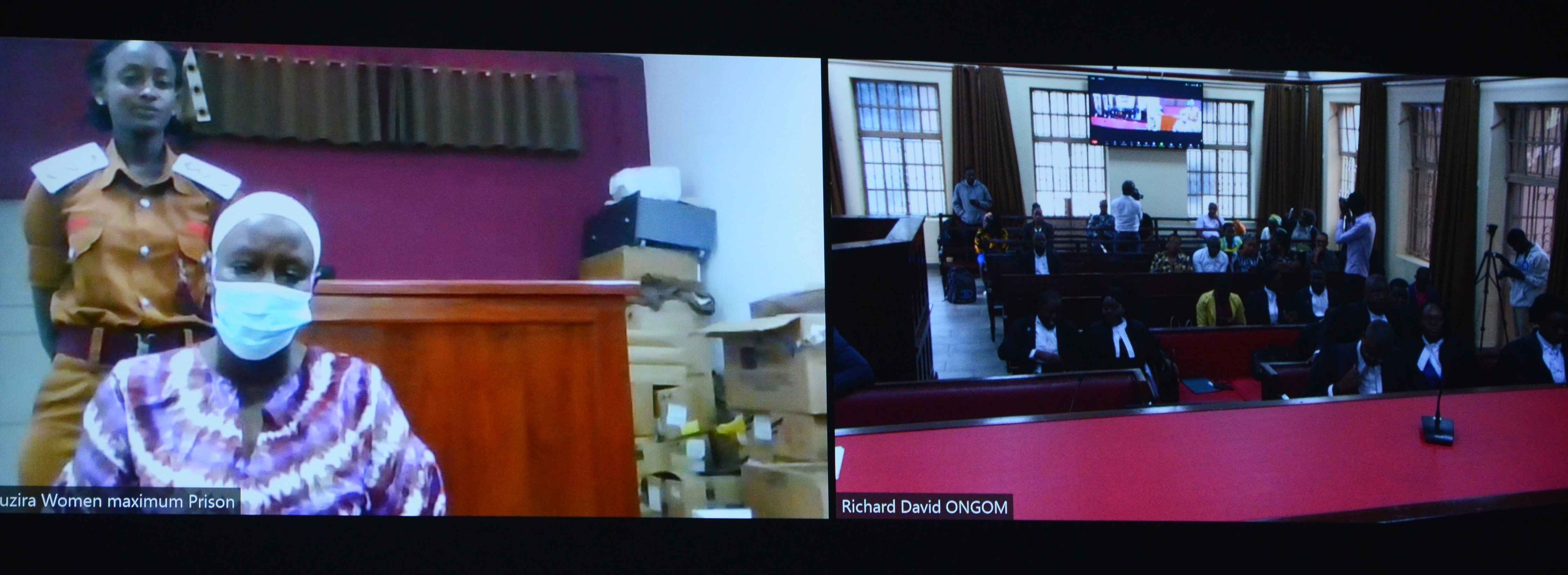
Molly Katanga appearing in court on zoom
By Our Reporter
KAMPALA - The ongoing trial of Molly Katanga, accused of murdering her husband, businessman Henry Katanga, took a surprising detour when defence lawyer Elison Karuhanga accused the Criminal Investigations Directorate (CID) of fabricating evidence. The defence claims that the Uganda Police's forensic team manipulated DNA results to falsely implicate Molly and her co-accused.
The courtroom, presided over by Justice Isaac Muwata, saw a tense cross-examination of the 8th prosecution witness, Andrew Kizimula Mubiru, the Director of Forensics in the Uganda Police Force. Mubiru was grilled by Karuhanga regarding the Deoxyribonucleic acid (DNA) evidence presented in court, particularly focusing on discrepancies in the dates and validity of the forensic reports.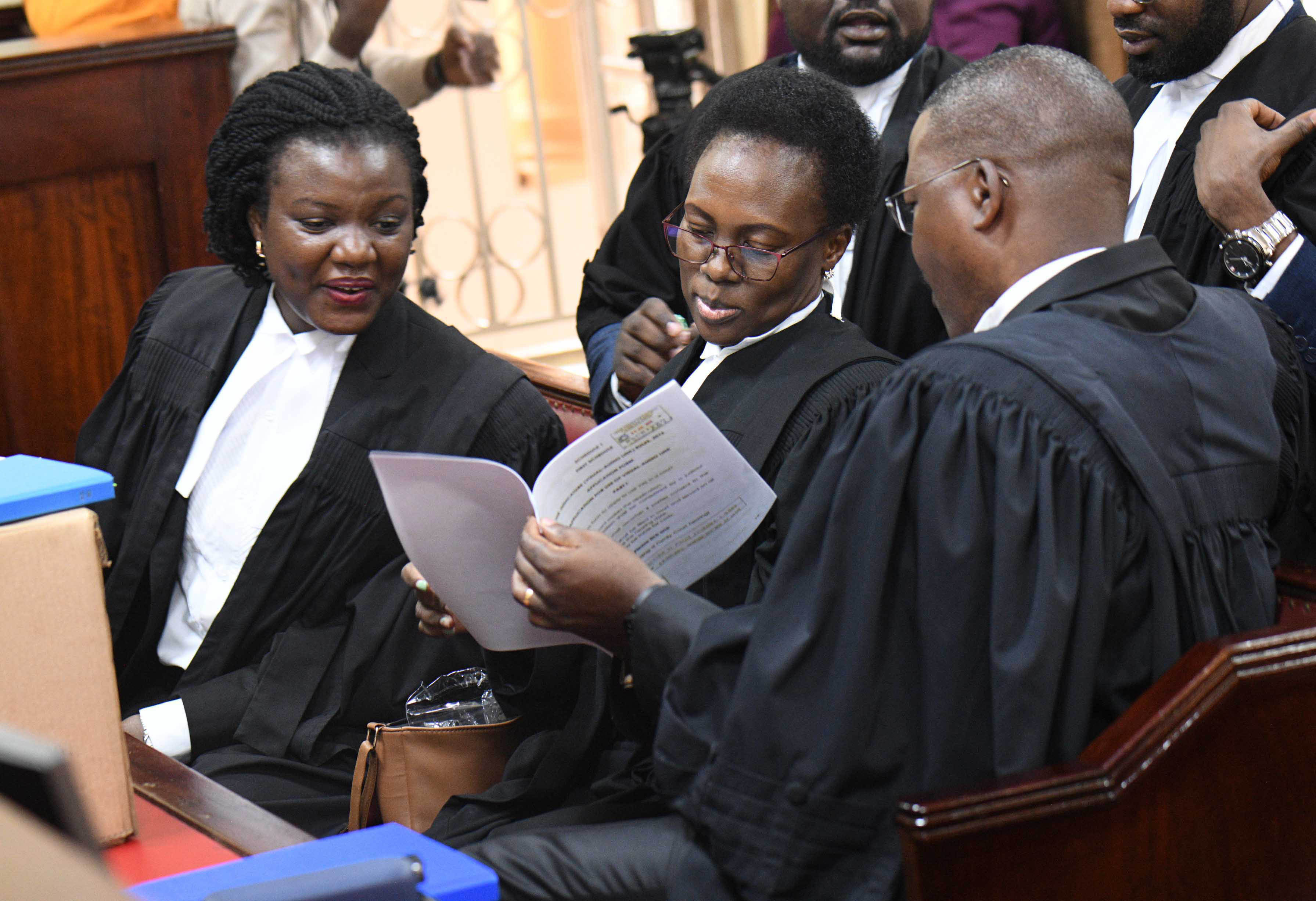
Chief state attorney Anna Kiiza, Assistant DPP Samali Wakooli and chief state attorney Jonathan Muwagana consulting each other during court
DNA report discrepancies
The defence’s primary focus was on the DNA report that linked Molly Katanga to the murder weapon. Karuhanga highlighted inconsistencies in the timing of the DNA report’s release, pointing out that the Director of Public Prosecutions (DPP) had allegedly claimed to have DNA results months before the official report was issued on April 30, 2024.
“You confirm that on January 22, 2024, this report was not in existence?” Karuhanga pressed Mubiru, to which Mubiru responded that he could only vouch for the report dated April 30, 2024. Karuhanga continued to challenge the timing, suggesting that the evidence had been pre-determined, leading to questions about the independence of the forensic process.
Allegations of fabrication
Karuhanga did not stop at questioning the timeline. He went further to accuse the CID of manipulating and contaminating forensic samples to frame Molly and her daughters, Patricia Kakwanza and Martha Nkwanzi, who are also on trial. "The CID operated as a kitchen and cooked up evidence," Karuhanga boldly declared, suggesting that the forensic lab deliberately altered samples to create a fraudulent case.
Mubiru, however, denied the accusations, maintaining the integrity of the forensic process. "With respect, my lord, that assertion is inaccurate. We are a forensic laboratory, not a kitchen," he said in response to Karuhanga’s allegations.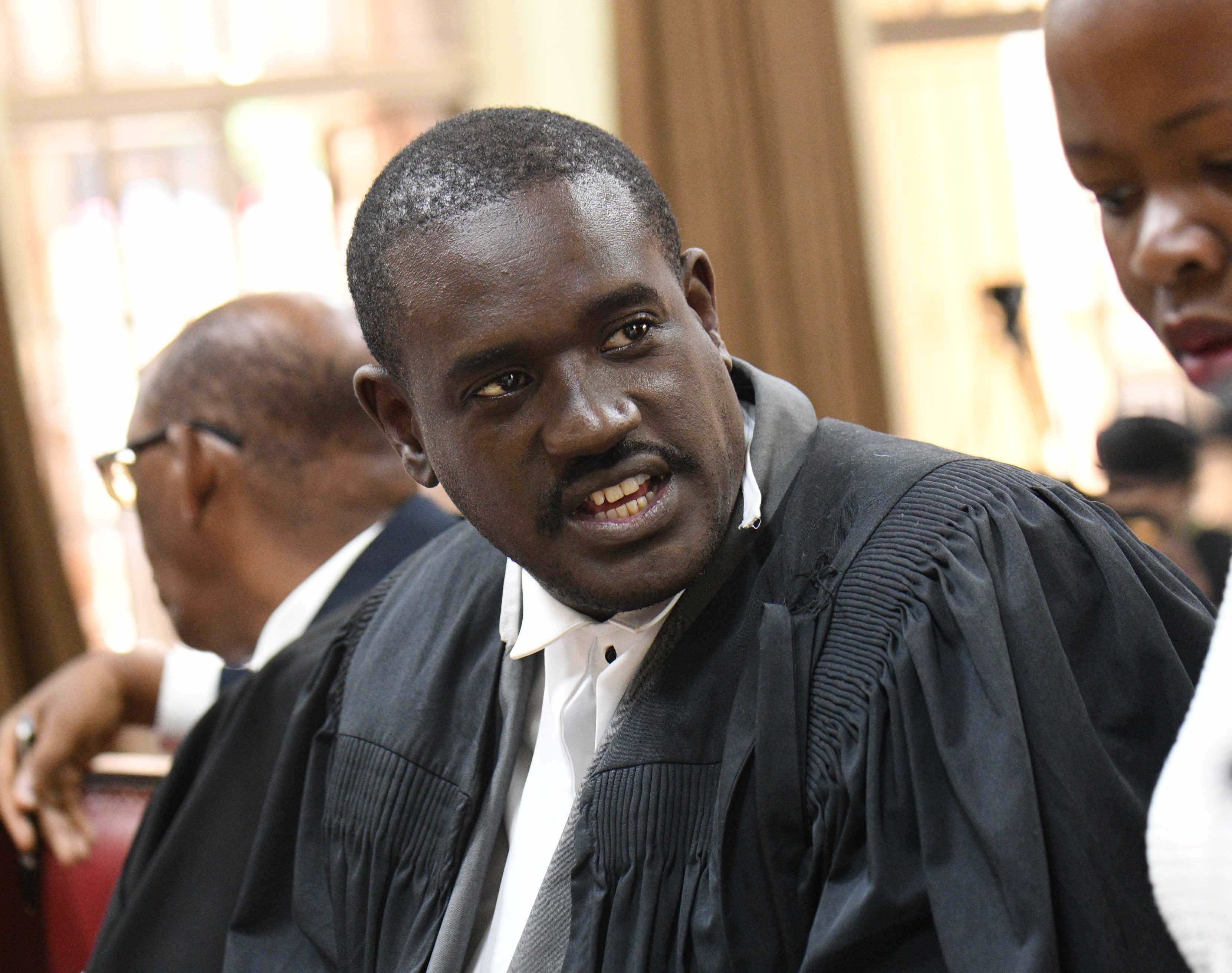
Defence lawyer Ellison Karuhanga in the murder case of businessman Henry Katanga, during court session at high court in Kampala
Further cross-examination
The cross-examination then shifted to another defence lawyer, MacDosman Kabega, who continued to question Mubiru’s role in the investigation. Kabega focused on Mubiru’s presence at the crime scene and whether he directly supervised the collection of forensic evidence. Mubiru confirmed that he was present at the scene but clarified that he did not personally supervise the collection of samples, which were later analyzed in the forensic laboratory.
Kabega further challenged the credibility of the forensic findings, particularly a report stating that the DNA found on a spent cartridge was predominantly from an unidentified individual, not the deceased. “I’m telling you that this bullet went through the head of the deceased, yet your findings show that the deceased is the minor contributor of the DNA. Isn’t that ridiculous?” Kabega asked.
Mubiru defended his findings, stating that his team’s analysis was based purely on the data collected. “I can speak to the data I have. Since I was not there, I don’t know who else was present when the bullet went through the head,” Mubiru responded.
Comparisons to past cases
Kabega referenced the infamous 2012 case of Kato Kajubi, in which Mubiru also provided forensic testimony. Kabega suggested that Mubiru had a history of manipulating forensic evidence, referencing allegations from the Kajubi case. However, Mubiru denied any wrongdoing in the past or present cases.
The trial has garnered significant public attention, given the high-profile nature of the case and the involvement of Molly Katanga, her daughters, a domestic worker, and a nursing officer. All the accused face charges related to either the murder or the destruction of evidence.
The case was adjourned to September 26, 2024, when cross-examination of Mubiru will continue.
Torch Media Africa



