West Africa
Mali entered 2026 in the middle of one of the most consequential experiments in African resource policy in a generation. Since the military governments of Assimi Goïta took power in 2020 and 2021, Bamako has moved systematically to reclaim state control over the country's gold and, more recently, lithium sectors, rewriting mining codes, seizing assets from foreign operators, and building state-owned refining and processing capacity from scratch. The results through mid-2026 are genuinely mixed: a landmark nationalization dispute has dented output and spooked investors even as it has swelled state revenue, a new lithium industry has opened for business, and growth is rebounding even though poverty remains stubbornly high across a country still fighting a grinding jihadist insurgency in its north and center.
A Mining Code Rewritten Around State Ownership
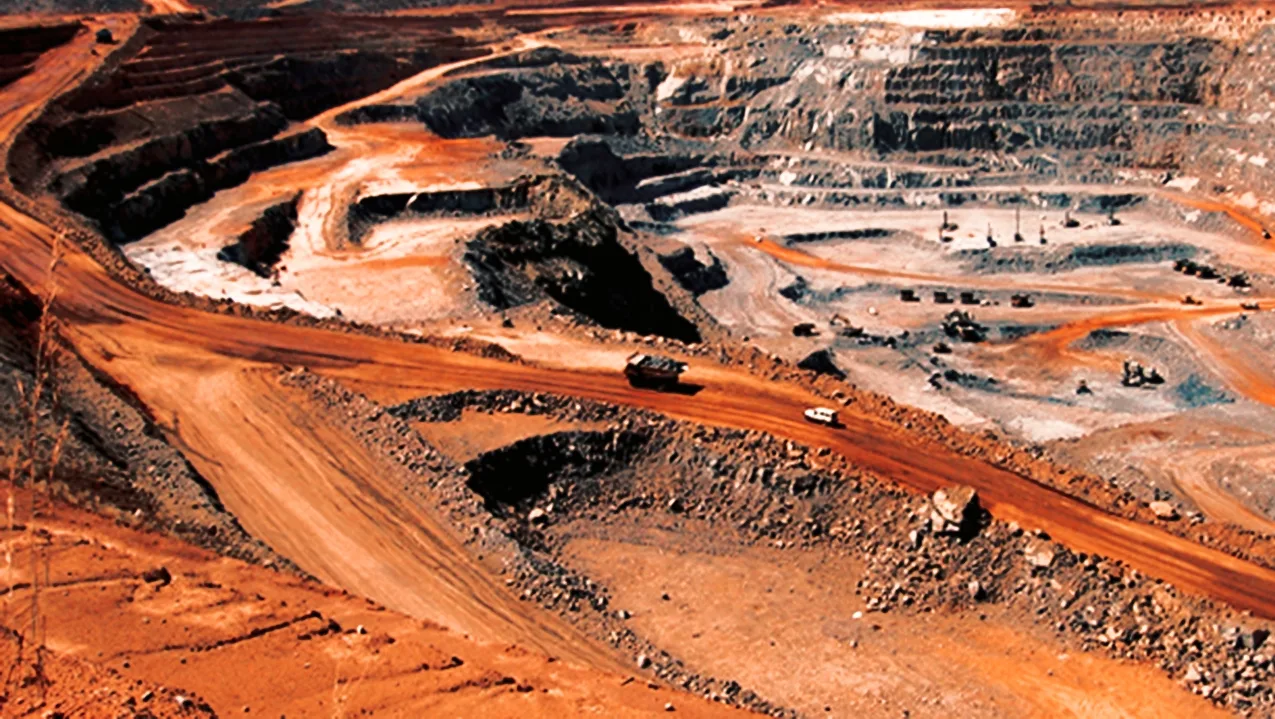
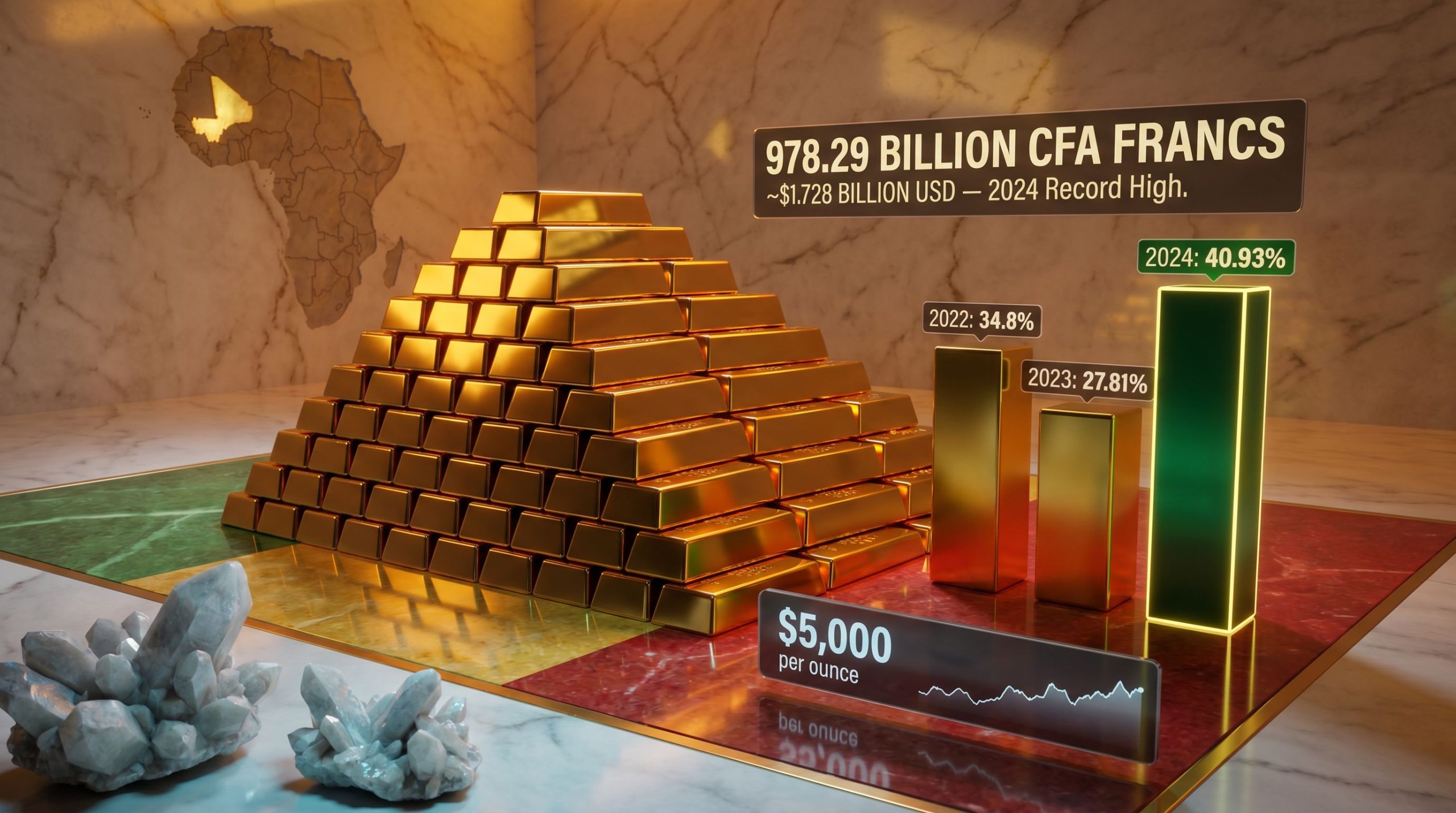
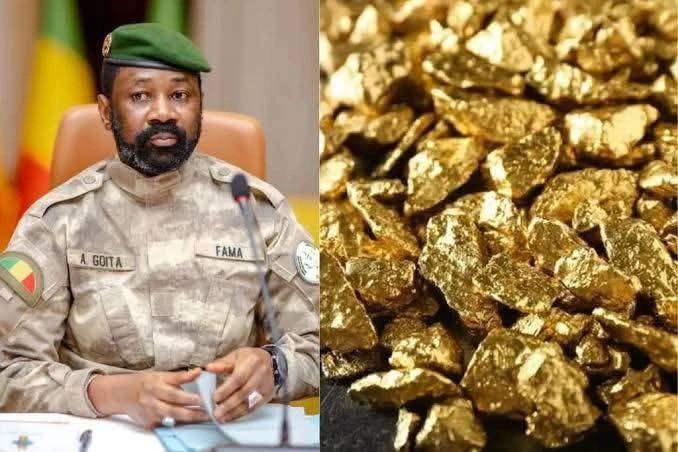
Gold is Mali's economic backbone. The country is Africa's second-largest gold producer, with roughly 100 tonnes mined in 2024, and gold represented about 80% of total exports that year, according to World Bank and trade data. Under the junta's 2023 mining code, the state can claim up to a 35% stake in mining projects — up sharply from the 20% ceiling under the previous code — and the government has used that leverage aggressively. Bamako has taken direct or expanded stakes in mines including B2Gold's Fekola operation and, most dramatically, Barrick Gold's Loulo-Gounkoto complex, one of the largest gold mines on the continent.
The Loulo-Gounkoto dispute has become the emblematic case of Mali's new resource politics. After a prolonged standoff over back taxes, royalties and ownership stakes, the Malian government moved to take control of the site, and a French-backed contractor associated with the mine's operations exited in 2026 amid the sovereignty push, according to industry reporting. The disruption was costly in the short run: national gold output fell by an estimated 23% in 2025, and Loulo-Gounkoto's own production in the first quarter of 2026 came in around 80,000 ounces, well below its historical quarterly baseline of more than 130,000 ounces. Production is recovering — Q2 2026 output at the site is projected at roughly 103,000 ounces — but the episode illustrates the trade-off at the heart of Mali's strategy: greater state control and revenue capture in exchange for near-term operational and investor-confidence costs.
Parallel to the fight over existing mines, the government has pushed to build sovereign downstream capacity. A state-controlled gold refinery is under development in Bamako, intended to let Mali capture more value from processing rather than exporting raw ore or unrefined bullion, and officials have framed it as a centerpiece of the broader push for what Bamako calls economic sovereignty over strategic resources.
Lithium: A New Pillar of West Africa's Battery-Metals Map
Mali's resource story is no longer just about gold. In December 2024, the country opened its first lithium mine at Goulamina, in the south, instantly making Mali the leading lithium producer in West Africa and inserting it into the global clean-energy supply chain. The first phase of the project is designed to produce 506,000 tonnes of spodumene concentrate a year, with an expansion plan that would take output to 1 million tonnes in a second phase; the site has an estimated mine life of more than 23 years. Alongside gold, lithium and continued agricultural output (cereals and cotton), officials and multilateral lenders now point to a more diversified growth base than Mali has had in years — even if gold still dominates export earnings by a wide margin.
Growth Recovers, but Debt Distress Risk Stays High
The macroeconomic picture has improved markedly through 2026. The IMF forecasts Mali's economy will grow by approximately 5.5% in 2026, up from an estimated 4.9% in 2025, as gold production recovers, business confidence firms and credit growth strengthens; the Fund also expects inflation to ease to around 2.5%. The AfDB's country outlook points to real GDP growth averaging around 5% over 2026-27, underpinned by lithium output, agriculture and telecommunications. A major driver of the improved outlook is the resolution, in late 2025, of the dispute involving Loulo-Gounkoto, which the IMF projects will support exports, government revenue and overall activity going forward.
Fiscal fragility remains the central risk. Mali is assessed to be at high risk of debt distress, a combination of weak growth in recent years, elevated fiscal deficits driven by security spending against the jihadist insurgency, and a degree of political isolation that has complicated access to traditional concessional financing. The IMF's engagement with Mali has continued through a Staff-Monitored Program rather than a fully financed arrangement: the Fund's Executive Board approved the first review of that program in December 2025 and the second review in March 2026, with a further staff-level report published in July 2026, signaling continued but cautious re-engagement between Bamako and its traditional multilateral partners.
Poverty Is Falling, but Remains High and Deeply Rural
Social indicators show cautious progress. World Bank data show Mali's national poverty rate declining to 33.9%, down from 43.9% in 2023, helped by a strong cereal harvest, favorable cotton production and high gold prices that have benefited artisanal miners as well as industrial producers. The improvement remains geographically uneven: even at the improved national rate, poverty in rural areas has historically run far higher than in cities — 51.7% rural versus 23.4% urban in the 2023 baseline — underscoring that the mining and export windfalls have yet to translate into broad-based rural income gains. Persistent insecurity in the center and north of the country continues to disrupt agriculture, displace communities and constrain the state's ability to deliver services in the areas where poverty is deepest.
The Alliance of Sahel States: Financial Sovereignty Without (Yet) a New Currency
Mali's resource nationalism is increasingly embedded in a wider regional project. Mali, Niger and Burkina Faso formed the Alliance of Sahel States (AES) after their respective military takeovers, and the bloc's second Heads of State summit, held in Bamako in December 2025, produced two significant institutional steps: the formal activation of the Confederal Investment and Development Bank of the AES (BCID-AES), capitalized at 500 billion CFA francs (roughly $900 million) to finance strategic infrastructure and strengthen the bloc's financial sovereignty, and the launch of a 5,000-strong AES Unified Force for joint security operations. The bank operates outside the jurisdiction of the BCEAO, the regional central bank for the CFA franc zone, even though AES member states continue to use the CFA franc for day-to-day trade and public finance.
Talk of a fully independent AES currency has circulated for years — Niger's junta leader raised the idea as early as 2023 — but it remains aspirational rather than imminent. In mid-2026, Mali's own economy and finance ministry moved to publicly dismiss social-media reports and local media claims that a new three-state Sahel currency was about to launch, labeling the reports "fake." The episode illustrates both the political appetite for monetary sovereignty within the bloc and the practical distance still separating rhetoric from an operational common currency.
Regional Trade and the AfCFTA Dimension
Mali's resource sovereignty drive sits alongside a broader continental push for economic integration through the African Continental Free Trade Area (AfCFTA), which Mali has continued to engage with even as its relationship with ECOWAS has been strained by the country's 2025 formal withdrawal from that regional bloc alongside Niger and Burkina Faso. For a landlocked country whose gold, cotton and now lithium exports depend heavily on transit through neighboring ports, the interplay between AES-driven sovereignty policies and continental trade integration will shape how much of Mali's resource windfall translates into diversified, regionally connected growth versus a narrower, extraction-led expansion.
Outlook
Mali's trajectory through the rest of 2026 will hinge on three interlinked variables: whether gold output at Loulo-Gounkoto and other nationalized or part-nationalized mines continues its recovery without further disruptive standoffs with foreign operators; whether the Goulamina lithium project scales toward its second-phase capacity without infrastructure or financing setbacks; and whether the IMF's cautious, review-by-review engagement through the Staff-Monitored Program eventually unlocks a fuller financing arrangement that could ease the country's high debt-distress risk. For a government that has staked its legitimacy in part on demonstrating that resource sovereignty pays off for ordinary Malians, the gap between rising state revenue and still-high rural poverty is the metric most likely to determine whether the current model is judged a success.
Published By | Business News Editor