Written By | Health News Agencies
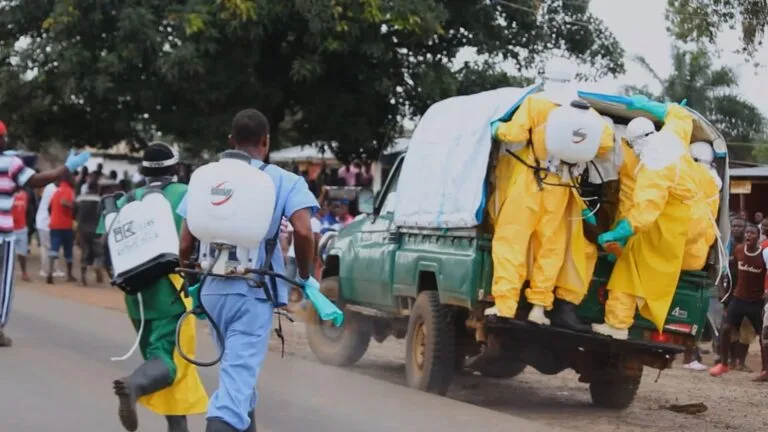
Unlike the better-known Ebola Zaire strain, Bundibugyo has no approved vaccines and no targeted therapeutics. Patients receive supportive care — fluids, fever management, pain relief — and hope.
KINSHASA
It arrived quietly, in the remote forests of northeastern Congo. A cluster of fever cases in Ituri Province. A handful of deaths. Then, within days, the numbers began to climb — and global health authorities realized they were facing something they had feared but never fully prepared for: a full-scale outbreak of Bundibugyo ebolavirus , the forgotten cousin of the virus that devastated West Africa in 2014.
By the time WHO declared a Public Health Emergency of International Concern (PHEIC) on May 17, 2026, hundreds had already been infected. As of the first week of June, the outbreak had claimed at least 91 confirmed deaths in the DRC, with 515 confirmed cases — a toll health officials fear is only a fraction of the true number.
Unlike the better-known Ebola Zaire strain, Bundibugyo has no approved vaccines and no targeted therapeutics. Patients receive supportive care — fluids, fever management, pain relief — and hope.
From Remote Villages To A Global Emergency
The outbreak was first detected in Ituri Province, a region struggling with instability, armed conflict, and limited healthcare infrastructure. Within weeks, the virus had exploited exactly those vulnerabilities.
By mid-May, cases had been confirmed across 25 health zones in Ituri, as well as neighboring North Kivu and South Kivu provinces. More alarmingly, the virus had crossed an international border. Uganda reported 19 confirmed cases and 2 deaths.
The rapid expansion triggered WHO's highest alert level. The African CDC simultaneously declared a Public Health Emergency of Continental Security (PHECS).
"This is not just a regional crisis — it is a global challenge that demands a global response." — WHO Director-General, May 20 briefing
The Bundibugyo Difference: Why This Outbreak Is Harder To Fight
Ebola virus disease comes in several species. The most notorious is Ebola Zaire, responsible for the 2014-2016 West African epidemic that killed more than 11,000 people. Against Zaire, researchers developed vaccines (Ervebo) and therapeutics.
Bundibugyo is different. First identified in 2007 in Uganda, it has caused only sporadic outbreaks — until now. Because it never sparked an epidemic on this scale, there has been little research incentive to develop countermeasures.
Doctors Without Borders (MSF) described Bundibugyo as presenting a "fundamentally different and more difficult" challenge, precisely because the standard tools are absent.
Vaccine Candidate Developer Timeline to Efficacy Trials
rVSV Bundibugyo (single-dose) IAVI 7-9 months
ChAdOx1 Bundibugyo Oxford / Serum Institute 2-3 months
On June 1, CEPI announced emergency funding to accelerate all three leading candidates. But scientists are clear: no vaccine will be ready in time to stop this outbreak. Containment depends on classic public health measures: isolation, contact tracing, safe burials, and community engagement.
The Human Toll: Stories From The Epicenter
Bundibugyo's case fatality rate among confirmed cases in this outbreak is approximately 16.8% — lower than Ebola Zaire's historic 40-90% rates, but still devastating. Among suspected cases awaiting confirmation, the death toll suggests the true burden may be substantially higher.
Health workers in Ituri have described scenes of grief in villages where multiple family members have died within days. Traditional burial practices — involving close physical contact with the deceased — have repeatedly accelerated transmission.
The IRC reported that fear and mistrust of health workers has led some families to conceal cases or flee quarantine areas, potentially carrying the virus to new communities.
"Without trust from communities, no outbreak can be controlled. That trust must be earned every single day." — IRC spokesperson
The Race For Resources: Who Is Paying?
Donor Commitment
United Kingdom £20 million (May 21)
United States $112 million (PPE, screening, contact tracing, diagnostics)
European Union €15 million
Africa CDC / WHO $518 million joint response plan (June 5)
But experts caution that money alone cannot substitute for absent tools. "Funding is essential, but what we urgently need is speed in vaccine development and deployment of experimental treatments under compassionate use frameworks," said a senior WHO official.
CDC Perspective: Risk To American Travelers
On June 5, the CDC issued a Level 2 travel health notice for the DRC and Uganda, advising enhanced precautions. The CDC assesses the risk to the general U.S. public as low.
Ebola is not airborne and is only spread through direct contact with bodily fluids of infected persons — making the risk of widespread transmission in countries with strong healthcare systems very low.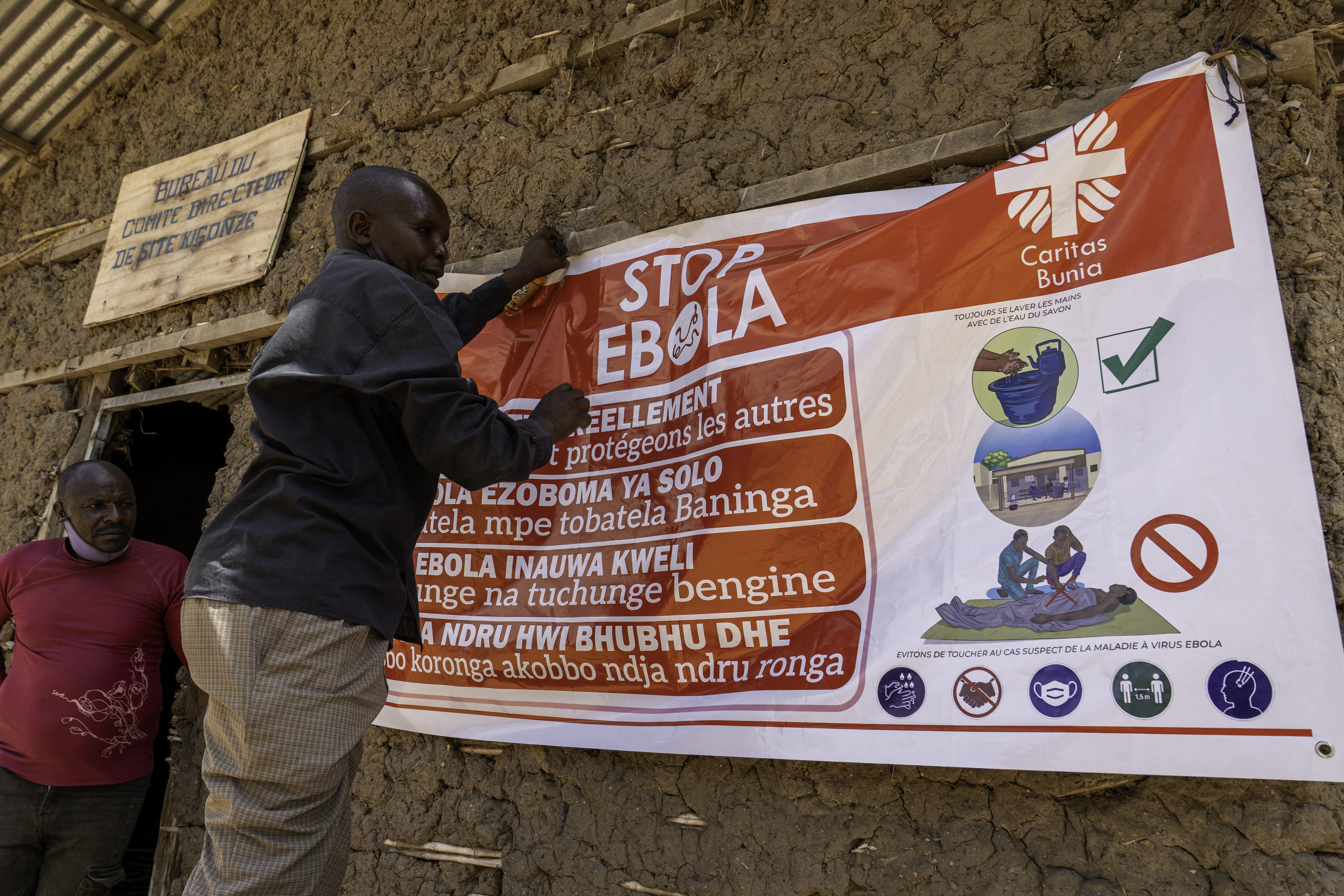
Expert Perspective: What Needs To Happen Now
"We have spent decades preparing for Ebola Zaire because that is what we fear. This outbreak is a wake-up call that there are other species — Bundibugyo, Tai Forest, Sudan, Reston — for which we have almost nothing." — Dr. Jeremy Farrar, WHO Chief Scientist
The Lancet published a rapid commentary arguing that WHO's R&D preparedness blueprint must be updated to prioritize all ebolavirus species equally, not just the most prevalent one.
What This Means For You
For readers outside the affected region, the immediate risk is very low. Ebola is not airborne and does not spread through casual contact. There is no risk from being on a plane with someone from the DRC or handling packages from the region.
However, this outbreak highlights the consequences of neglecting diseases that primarily affect poor, conflict-affected populations. Travelers to the DRC or Uganda should consult their healthcare provider before departure, follow all travel advisories, and understand Ebola symptoms (fever, vomiting, bleeding, muscle pain).
What Comes Next
The coming weeks are critical. The ChAdOx1 Bundibugyo vaccine candidate could begin efficacy trials within 2-3 months — an extraordinary timeline achieved through emergency protocols. WHO and Africa CDC are working to scale up ring vaccination studies using experimental candidates under compassionate use frameworks.
Whether the response can keep pace depends on factors far beyond medicine: political stability, community trust, and sustained donor will.
For now, in the remote villages of Ituri and the crowded border towns of Congo and Uganda, frontline health workers face down a deadly virus with courage, compassion, and desperately insufficient tools. The world owes them far better.




