BISSAU, Guinea-Bissau
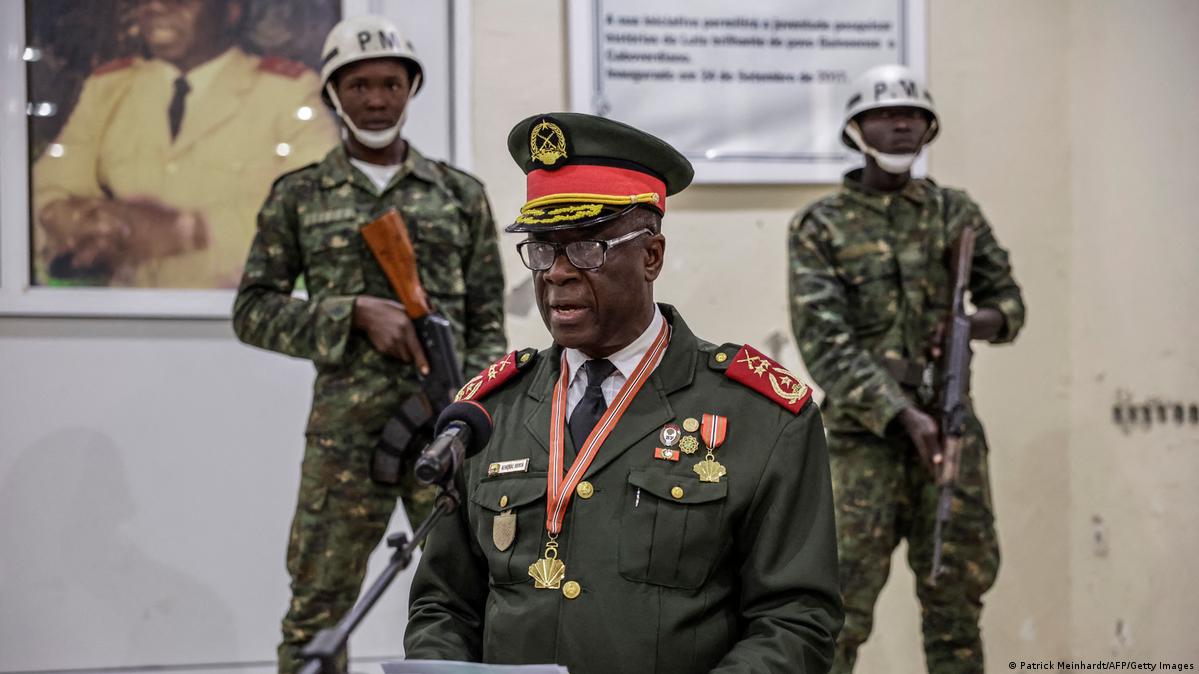
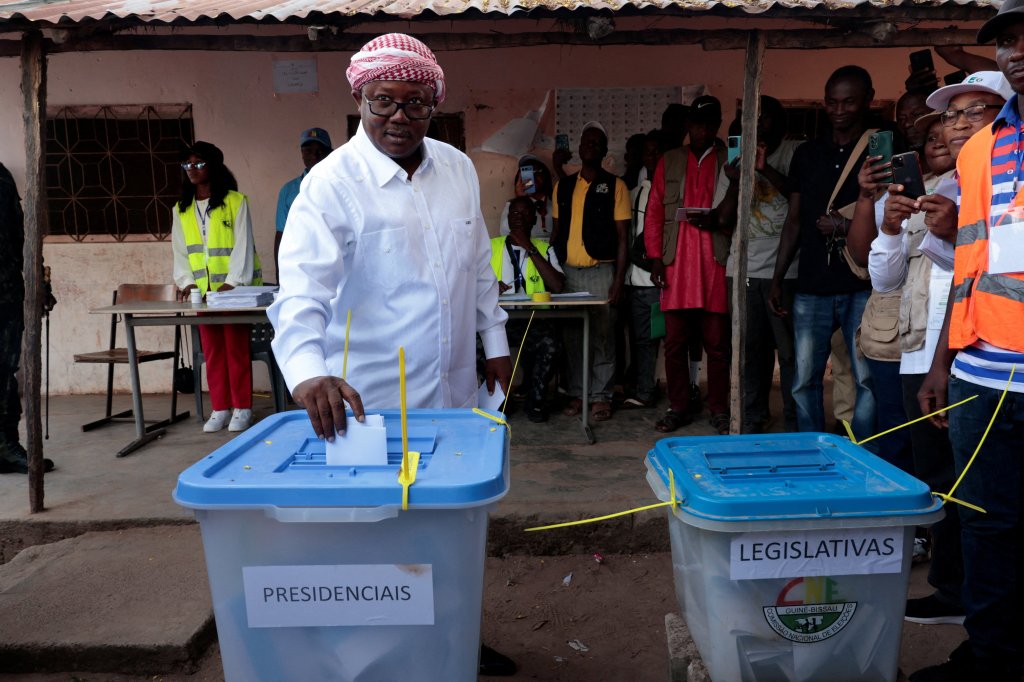
Nine months after soldiers arrested President Umaro Sissoco Embaló and seized power a day before the results of a presidential election were due to be announced, Guinea-Bissau's ruling military junta will ask citizens on Sunday to approve a new constitution that would hand the presidency sweeping new authority — a vote that human rights monitors and the country's main opposition party have already denounced as an attempt to manufacture legitimacy for continued military-backed rule. The referendum, scheduled for Aug. 30, is being framed by the junta as a necessary step on the path back to elected government, with general elections set to follow on Dec. 6. Critics see it instead as the decisive move in a broader strategy to entrench executive power before voters ever return to the polls for a genuine presidential contest.
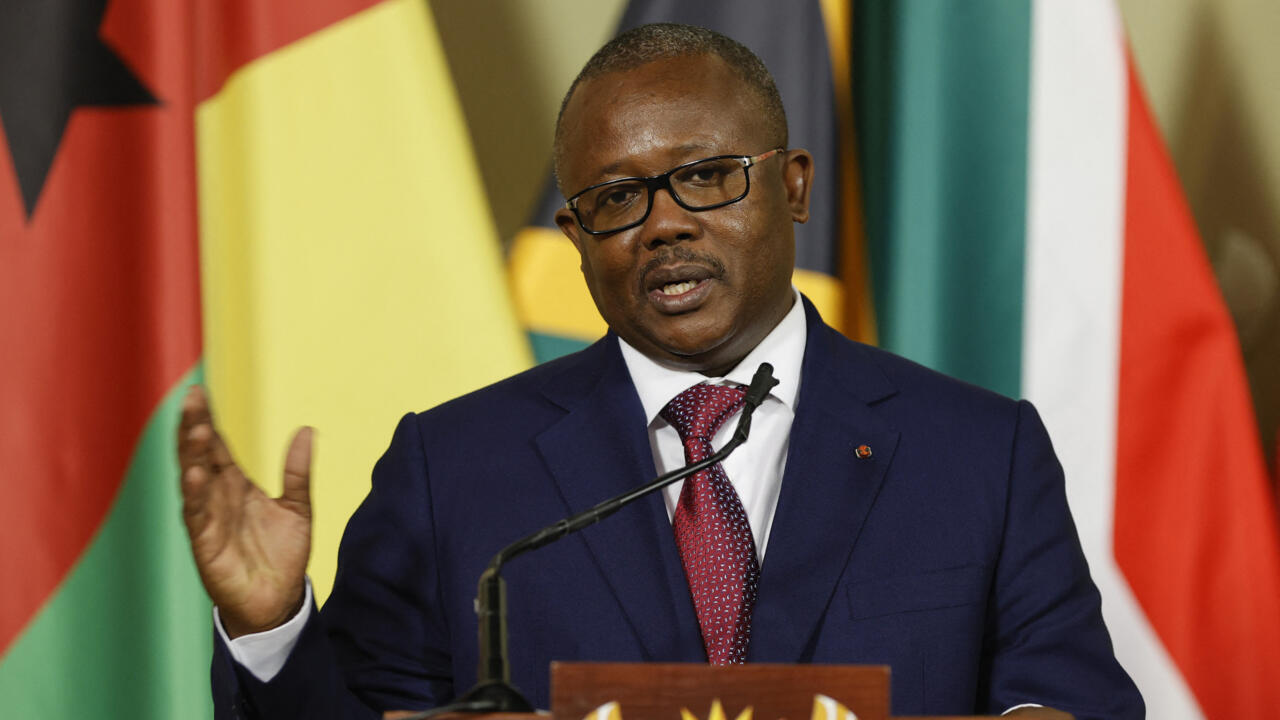
Umaro Sissoco Embaló
The origins of the current crisis trace to Nov. 26, 2025, when Brig. Gen. Dinis Incanha, then head of the Military Office of the Presidency, led a coup that saw Embaló arrested and the country's electoral process suspended just as the results of the Nov. 23 general election were about to be certified. Military officers declared "total control" of the country and established what they called the High Military Command for the Restoration of National Security and Public Order, installing Gen. Horta N'Tam — full name Horta Inta-A Na Man — as transitional leader. The African Union and the United Nations both condemned the takeover, with the AU Commission chairperson issuing an unequivocal denunciation of the coup, but the junta has retained power since, closing borders and imposing a curfew in the immediate aftermath before gradually loosening restrictions while retaining firm control over the transition timeline.
Domingos Simões Pereira, leader of the opposition African Party for the Independence of Guinea and Cape Verde, or PAIGC, has borne the brunt of the junta's crackdown on dissent. Pereira, a former prime minister, was detained when the army seized power in November and was accused of involvement in coup plots dating back to 2023 and again in October 2025, shortly before Embaló's ouster. He was released on Jan. 30 but kept under house arrest, then summoned again before a military court in June, which ordered him returned to house arrest after further questioning. In July, the same military court ordered Pereira moved back to prison outright, before he was subsequently released to seek medical treatment in Portugal. His prolonged legal limbo has become a rallying point for opposition supporters who argue the junta is using the justice system to sideline its most credible civilian challenger ahead of the December vote.
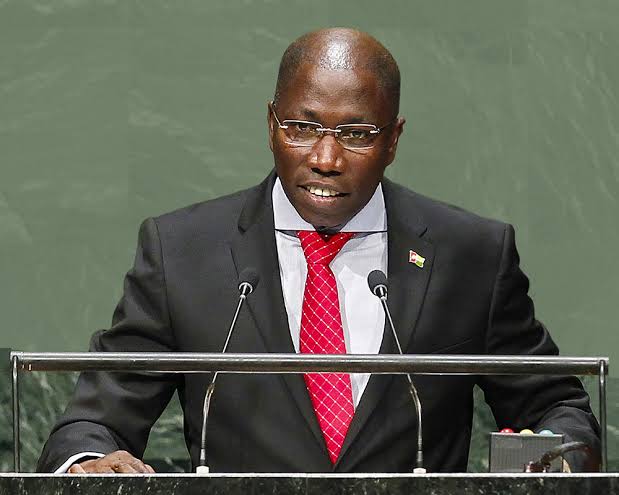
Domingos Simões Pereira
The referendum itself asks voters to approve a constitution that would fundamentally rebalance power between the presidency and parliament. Under the proposed text, the president would gain the authority to appoint and dismiss the prime minister and cabinet ministers, create or abolish government ministries outright, and personally chair the Council of Ministers. The president could also dissolve parliament in the event of what the constitution describes as a "grave political crisis" and dismiss the government under certain circumstances — powers that would mark a decisive shift away from Guinea-Bissau's traditionally semi-presidential system, in which executive authority has been shared between the president and a prime minister typically drawn from the parliamentary majority. The reform would also shrink parliament from 102 seats to 65 and reduce the number of electoral constituencies from 29 to 12, while introducing a new requirement that presidential candidates have lived permanently in Guinea-Bissau for the five years preceding an election — a provision opposition figures have suggested could be used to disqualify exiled or diaspora-based rivals.
Manuel Nobre de Barros, a professor at Lusofona University in Guinea-Bissau, said the changes would fundamentally alter the balance between the executive and the legislature, warning that they could hand the president what he described as virtually unchecked power. The PAIGC has called for an outright boycott of the referendum, arguing that political parties were excluded from drafting the text approved by the junta-appointed National Transitional Council and pointing to what the party has called a "clear tendency to rig the process." The party has also alleged growing restrictions on political activity and threats targeting opposition figures in the run-up to the vote, and has warned that the entire exercise may conflict with protocols on democracy and good governance set by the Economic Community of West African States, the regional bloc that has struggled to enforce democratic norms across a West Africa that has seen a wave of military takeovers in Mali, Guinea, Burkina Faso and Niger in recent years.
The Human Rights Foundation has been even more direct in its assessment, condemning what it called plans for a "sham referendum" designed to "manufacture false legitimacy" for the junta's new constitution and warning that the changes would "codify a dramatic expansion of presidential powers and cement a future dictatorship." That framing echoes concerns raised across the region's recent run of post-coup referenda, in which transitional military authorities have repeatedly used constitutional plebiscites to formalize extended timelines and expanded executive authority before eventually — if ever — returning power to civilians through elections that international observers frequently regard as tightly managed.
For Horta N'Tam and the junta, the political calculation appears straightforward: a successful referendum, however contested its legitimacy, would provide a legal architecture legitimizing strengthened presidential authority just as the country heads toward the December elections that are meant to formally end military rule. The junta has said Horta N'Tam himself will not be permitted to stand as a candidate in that vote, a commitment intended to reassure skeptics that the transition will genuinely produce civilian leadership. But critics note that a dramatically empowered presidency could still serve the interests of whichever figure the military establishment ultimately backs, effectively allowing the junta to shape the rules of the political game even after formally stepping back from direct rule. The reduction in parliamentary seats and electoral constituencies could also work to concentrate power among fewer, more centrally controlled political blocs, further narrowing the space for genuine opposition representation.
The stakes extend beyond Guinea-Bissau's borders. The country, a former Portuguese colony of roughly 2 million people wedged between Senegal and Guinea on West Africa's Atlantic coast, has a long and turbulent history of military intervention in politics, having experienced multiple coups and attempted coups since independence in 1974. Its latest crisis unfolds against the backdrop of a broader erosion of ECOWAS's authority to discipline member states that seize power by force; the bloc's sanctions regimes against juntas in Mali, Guinea, Burkina Faso and Niger have had limited success in reversing military rule, and three of those countries have since withdrawn from ECOWAS altogether to form a rival confederation. Whether ECOWAS and international partners will apply meaningful pressure on Bissau in the referendum's aftermath — or whether Guinea-Bissau's transition will simply follow the same trajectory of entrenchment seen elsewhere in the region — remains one of the central questions hanging over Sunday's vote.
In the immediate term, attention will focus on turnout and on whether the PAIGC's boycott call gains enough traction to undermine the referendum's credibility, even if the junta declares the measure passed regardless. Observers will also be watching how security forces handle campaign-related unrest in the vote's final days, given the opposition's allegations of intimidation, and whether Pereira's continued legal troubles in Portugal keep him sidelined from the political process as the December elections approach. If the constitution is approved as expected, the more consequential test will come this winter, when Guinea-Bissau's stated return to elected government either delivers a credible transfer of power or confirms critics' fears that Sunday's referendum was simply the mechanism by which the junta wrote its own durability into the country's founding law.
Published By | News Editor