Written By | Entertainment Desk
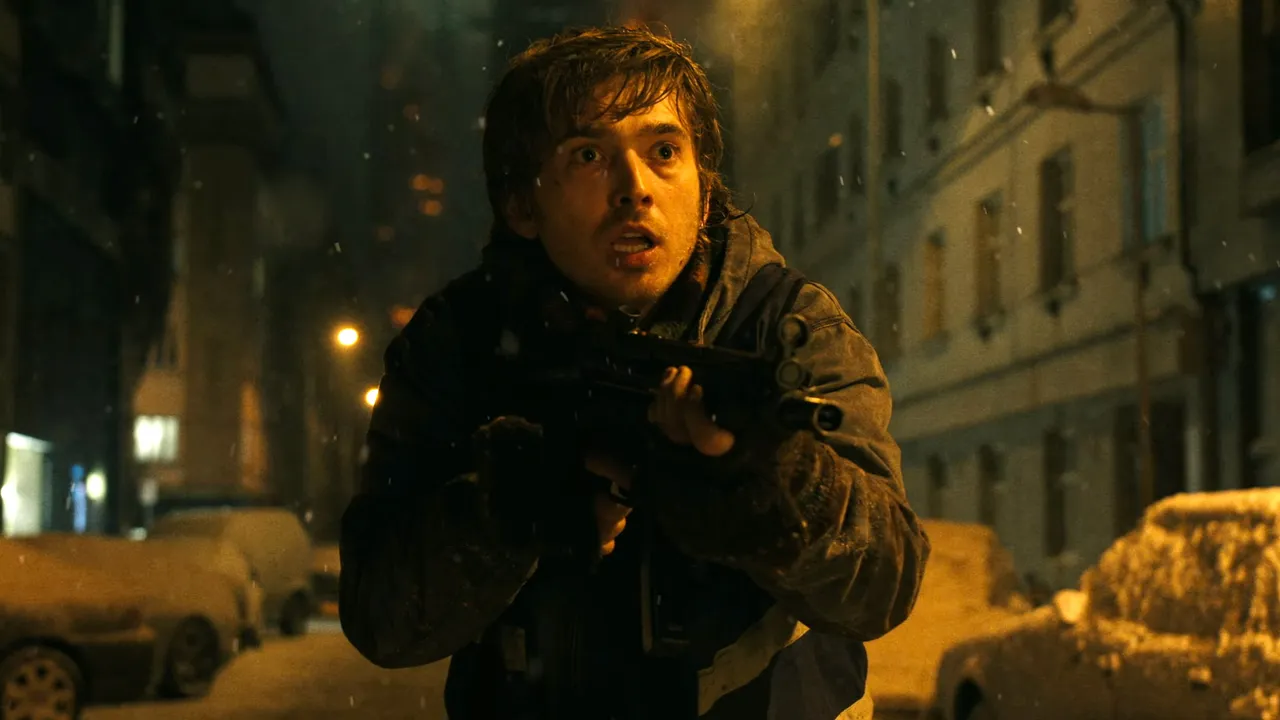
Zach Cregger's Resident Evil opened to $60 million domestically and $108.5 million worldwide — the biggest debut in the franchise's 24-year history and the best of the director's career
LOS ANGELES
Sony Pictures had a number in mind. The number was $40 million.
That is what the studio publicly projected for the opening weekend of Resident Evil, Zach Cregger's reboot of the Capcom survival-horror franchise. It was not a timid projection — forty million dollars is a strong September opening for a horror film, and September horror is a category Hollywood has learned to respect.
By Friday night the film had taken $26 million. By Saturday the studio had quietly revised its own expectations up to the $53 to $55 million range. By Sunday it had done $60 million in North America and $48.3 million overseas, for a $108.5 million global opening.
Every one of those figures is a franchise record. The biggest is the first: $60 million is the largest domestic debut in the 24-year history of a series that has now produced nine films. It is also the best opening of Cregger's career, clearing his 2025 hit Weapons and its $43.5 million bow.
A Franchise Nobody Was Asking to See Again
This is the part that makes the number interesting rather than merely large.
The Resident Evil films have been, commercially, a reliable mid-tier business and, critically, a punchline — a run of increasingly baroque action pictures that used the games' iconography while largely discarding their atmosphere. The prevailing industry read, as recently as this spring, was that the property had been fully monetized and that whatever audience remained was modest and aging.
What Sony did instead was hire a director coming off a horror hit and let him make something that looks like no previous film in the series.
Cregger's version, written with Shay Hatten, discards the franchise's elite-operative mythology almost entirely. Austin Abrams plays Bryan Hodukavich, a medical courier who accepts a last-minute delivery to Raccoon City General Hospital because the job pays double. He is not a soldier. He has no combat training. He is a gig worker with a van who has driven into the middle of the Umbrella Corporation's catastrophe and the release of the T-virus, and the film's central joke — and it is, repeatedly, a joke — is that he keeps trying to complete the delivery.
The Tonal Gamble
Reviewers have converged on a description that would have sounded like a warning in any other year: the film plays as much like a black comedy as a horror movie.
It worked. Resident Evil holds a 96 percent critics' score on Rotten Tomatoes — an extraordinary figure for a studio horror release, and one that would be remarkable for any video game adaptation. Audiences graded it B+ on CinemaScore exit polling, a solid mark in a genre where opening-night crowds routinely punish films for being unpleasant.
The supporting cast reads like a comedy ensemble that wandered onto a horror set: Zach Cherry, Paul Walter Hauser, and Kali Reis. Critics have described it as a gut punch delivered with a grin and, more than once, as the best film Cregger has made.
The commercial lesson is not that horror comedy sells. It is that a specific voice sells. Sony did not buy a property this weekend. It bought a filmmaker, and then declined to sand him down.
The Overseas Half
The $48.3 million international figure deserves its own attention, because it is where video game adaptations have historically been strongest and where the franchise's earlier entries did much of their business.
In the UK and Ireland, Resident Evil took £4.2 million — the biggest opening any of the franchise's films has managed in that market, across all eight predecessors. It comfortably displaced Practical Magic 2, which fell 47 percent in its second weekend to £1.5 million.
That combination — record domestic, record international, record franchise-wide — is what turns a good weekend into a strategic event. A studio can explain away a strong North American opening as marketing. A globally synchronized record is harder to dismiss.
The Curse Nobody Can Invoke Anymore
For roughly thirty years, "video game movie" functioned in Hollywood as a genre and a diagnosis at once. The phrase carried an implied ceiling.
That ceiling has been coming apart film by film, but the arguments against always had a fallback: the successes were family animation, or television, or properties with a built-in narrative that adapted easily. Resident Evil removes the last of those excuses. It is R-rated, it is a legacy franchise with a poor cinematic track record, it was released outside the summer corridor, and it opened bigger than anything the series has done in nearly a quarter-century.
The practical consequence for viewers is that the next wave of game adaptations will be greenlit on different terms. The pitch in the room is no longer "this property has recognition." It is "who is directing, and what do they want to do with it."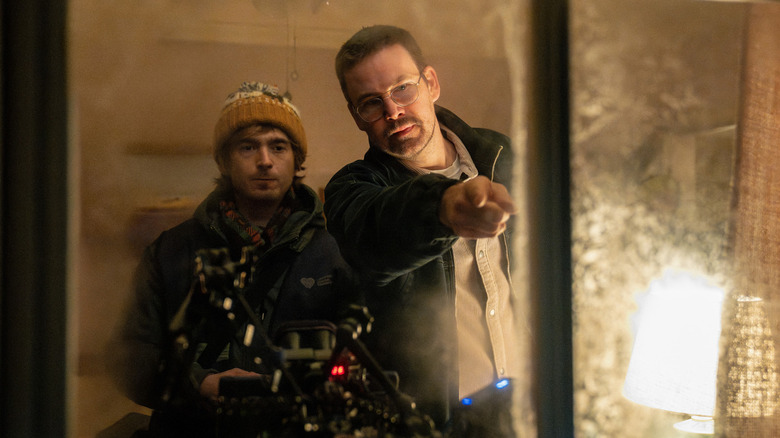
What This Means If You Are Just Deciding What to Watch
A few honest notes for the general moviegoer, because a record opening is a business story and you are presumably looking for a Saturday night.
It is genuinely gory. The reviews that praise it most warmly are the ones describing it as brutal. The B+ CinemaScore rather than an A suggests part of the opening-weekend audience found it harder going than the trailers implied.
You do not need to have played the games. The film assumes essentially nothing. Umbrella is explained, the virus is explained, and the protagonist knows less about the situation than you do for most of the running time — which is the point.
And it is funny, which the marketing has deliberately underplayed. If you have avoided the series because it seemed self-serious, that objection no longer applies.
The sequel conversation began before the weekend actuals were counted, which is how this industry works and is not evidence of anything.
The more meaningful number is the 96 percent. Studios have engineered big openings out of worse films many times. What is rare is opening this big on a property this tired with a film this well liked. That combination is not a marketing achievement.
It is what happens when a studio hires someone with a point of view and then gets out of the way — a lesson Hollywood learns, expensively, roughly once a decade.



