Written By |
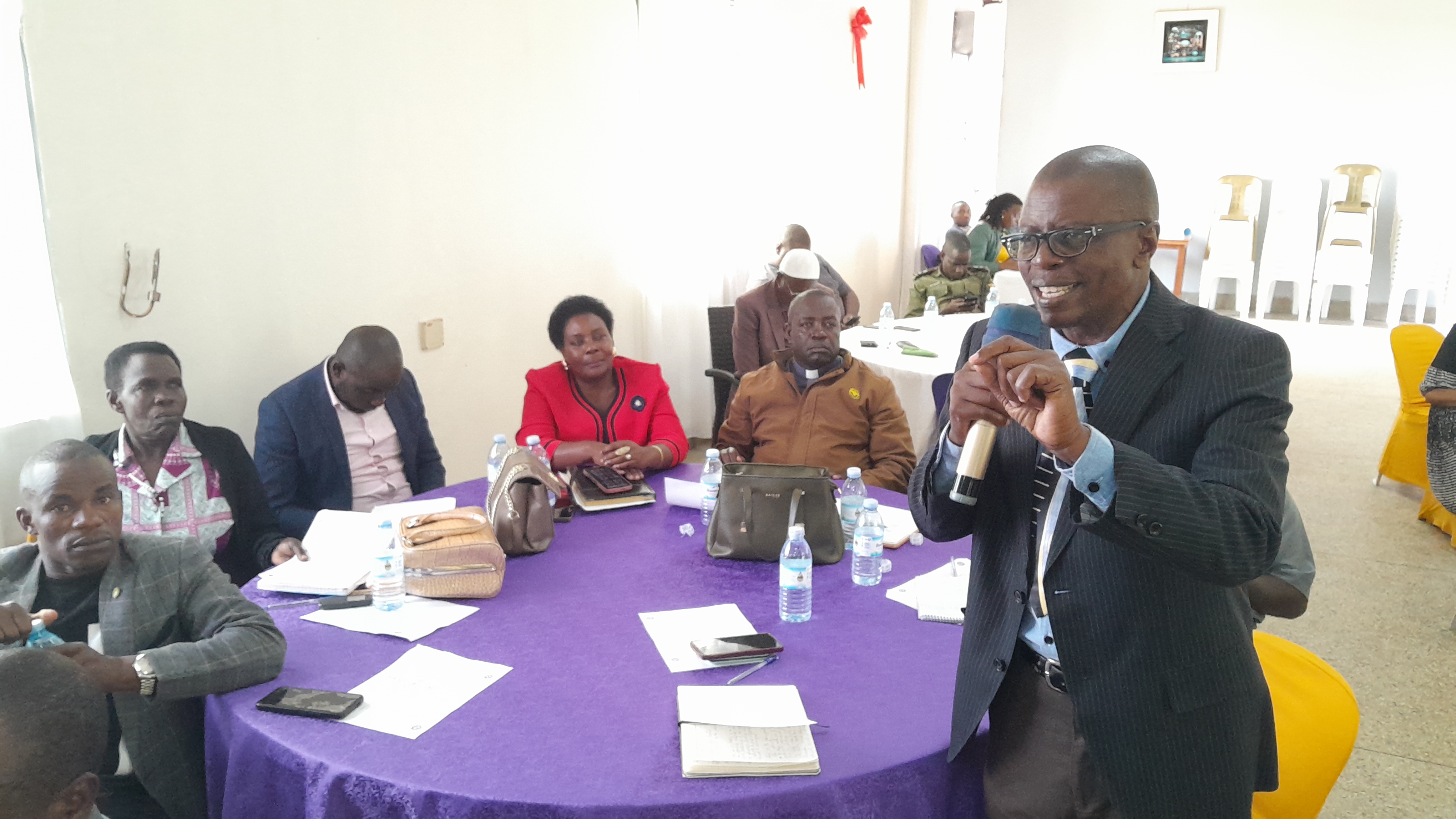
Bushenyi district secretary for social services, Edward Mpabwa speaking during the meeting
By Our Reporter
Bushenyi
Stakeholders in Bushenyi District have called on the government to increase funding for Universal Primary Education (UPE) and Universal Secondary Education (USE), citing poor infrastructure, chronic underfunding, and declining enrollment as major challenges facing public schools.
The call was made during a stakeholders’ validation meeting held on June 25, 2025, at the National Water and Sewerage Corporation’s Western Regional Resource Centre in Ishaka. The meeting, convened by the Western Ankole Civil Society Forum (WACSOF) under the Strengthening Citizens Engagement and Accountability (SCEPA) program, focused on assessing citizens’ needs and aspirations.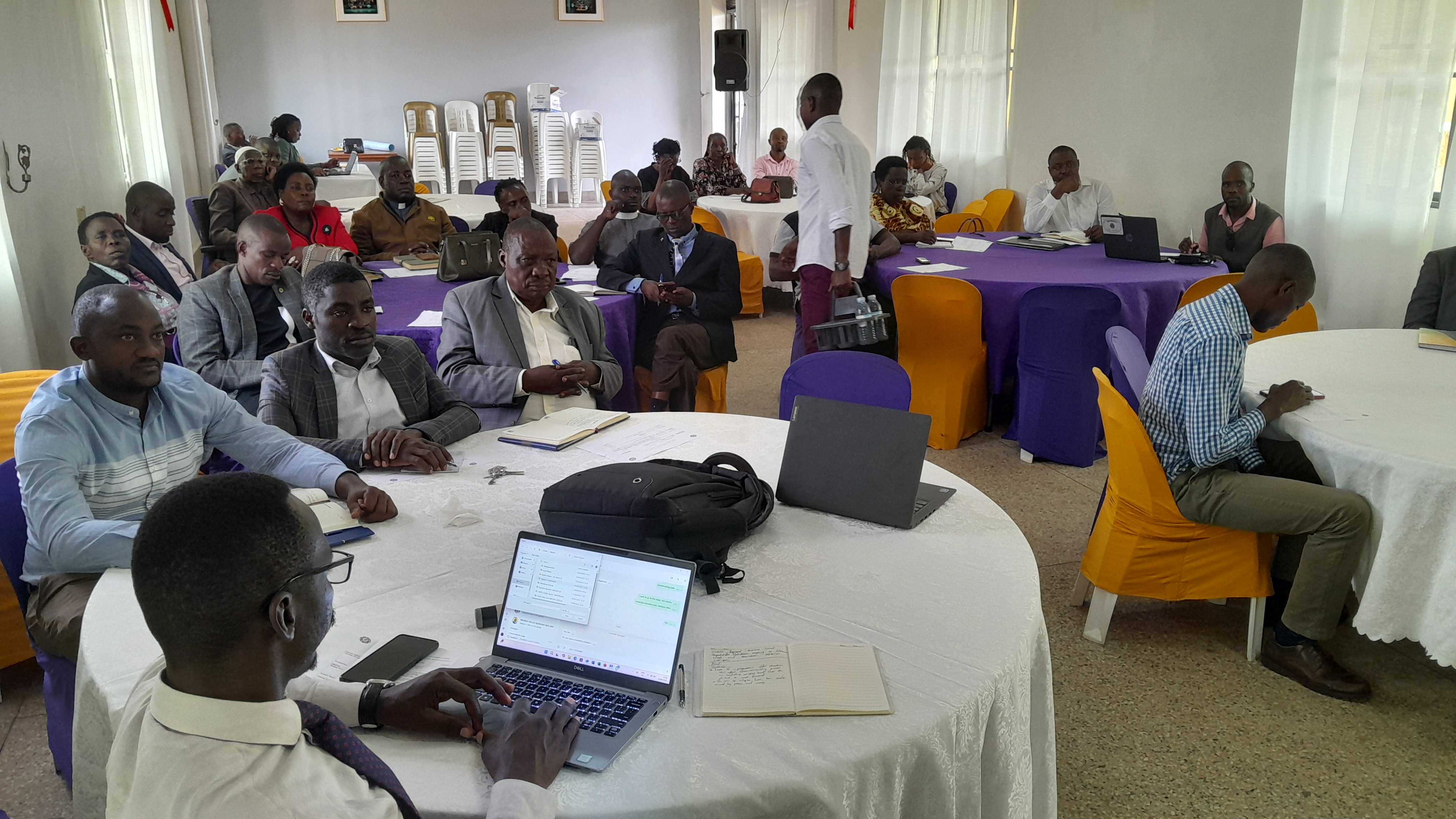
Participants urged the Ministry of Education to revise and clarify the school fees policy, advocating for either standardized charges across public schools or the complete abolition of all school-related payments to make education truly free and inclusive.
Concerns were raised over low staffing levels, deteriorating infrastructure, and the delayed rollout of the new lower primary curriculum. Stakeholders noted that many government primary schools in Bushenyi have fewer than 50 pupils, with parents increasingly opting for private institutions due to better perceived standards.
Chris Mugasha, a journalist, warned that government schools are on the verge of collapse due to prolonged neglect. “Why are parents abandoning government schools? The conditions are demoralizing for both learners and teachers,” he said.
Mugasha observed that secondary schools have seen some improvement in enrollment, largely due to contributions from alumni (OBs and OGs) and the introduction of the new curriculum. However, he criticized the Ministry for failing to implement similar reforms at the primary level.
The meeting also questioned the adequacy of current funding levels under UPE and USE. According to Ministry of Education figures, UPE schools receive just UGX 20,000 per pupil annually, while USE schools are allocated approximately UGX 331,608 per student per term—about UGX 994,824 per year.
Stakeholders argued that this funding is grossly inadequate to run schools effectively or ensure quality education.
Some panelists attributed the challenges to poor planning and weak implementation by district technocrats. However, Bushenyi District Planner Dickson Bamusiime shifted the blame to local leaders, accusing them of neglecting their oversight roles. “Most of these problems persist because leaders entrusted with oversight are not doing their part. Without regular monitoring, even well-designed programs fail,” Bamusiime said.
WACSOF Chief Executive Officer Apollo Kakonge Lee reaffirmed the organization’s commitment to fostering accountability and service delivery. “WACSOF’s mission is to bridge the gap between citizens and duty bearers. We empower communities to demand better services and support leaders in fulfilling their responsibilities,” Kakonge stated. 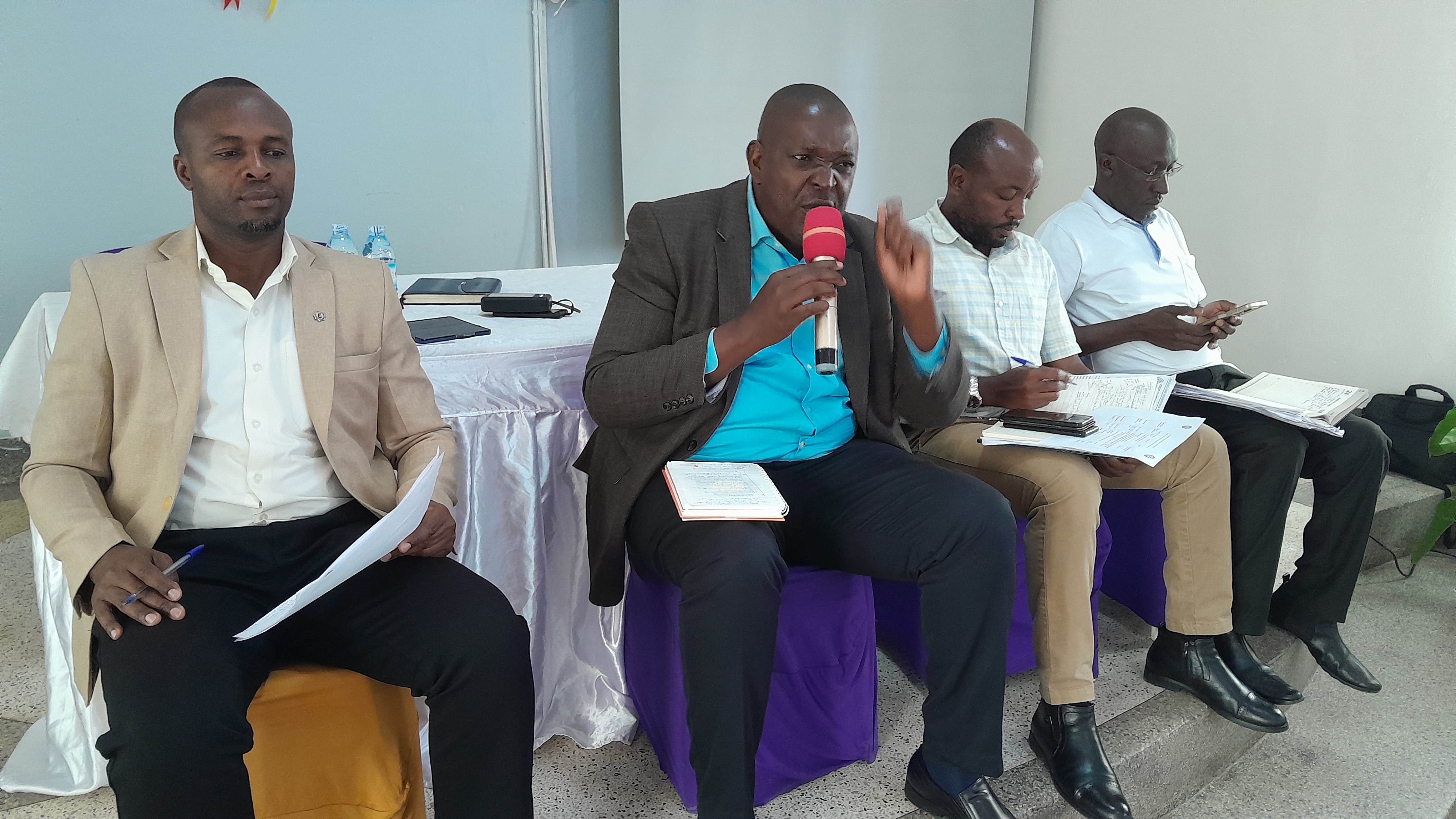
Panelists at the meeting
Beyond education, stakeholders raised additional concerns about poor road infrastructure, rising healthcare costs, declining agricultural productivity, limited access to clean water, and growing insecurity in parts of the district. Twahika Denis blamed the district’s development setbacks on poor leadership, accusing voters of being swayed by bribes during elections. “Leaders who bribe their way into office rarely deliver. Their first priority is to recover campaign expenses, not to serve the people,” he said.
Despite the challenges, Bushenyi District Deputy Resident Commissioner (D/RDC) Kasigazi William Donanto reminded participants of the district’s legacy of academic excellence. “Bushenyi has consistently performed well academically. This district has produced more commissioners, professors, and doctors than many others in Uganda. We must build on that legacy and formally position Bushenyi as an education hub,” Kasigazi said.
He acknowledged the district’s achievements in education but stressed the need to address other development gaps. “While we’ve done well in education, we must also improve health services, road networks, and water access. The government recognizes these challenges and remains committed to addressing them,” he added.
The meeting was attended by opinion leaders, religious leaders, local government officials, security personnel, teachers, and journalists.
Torch Media Africa



