Written By | Joshua Nahamya
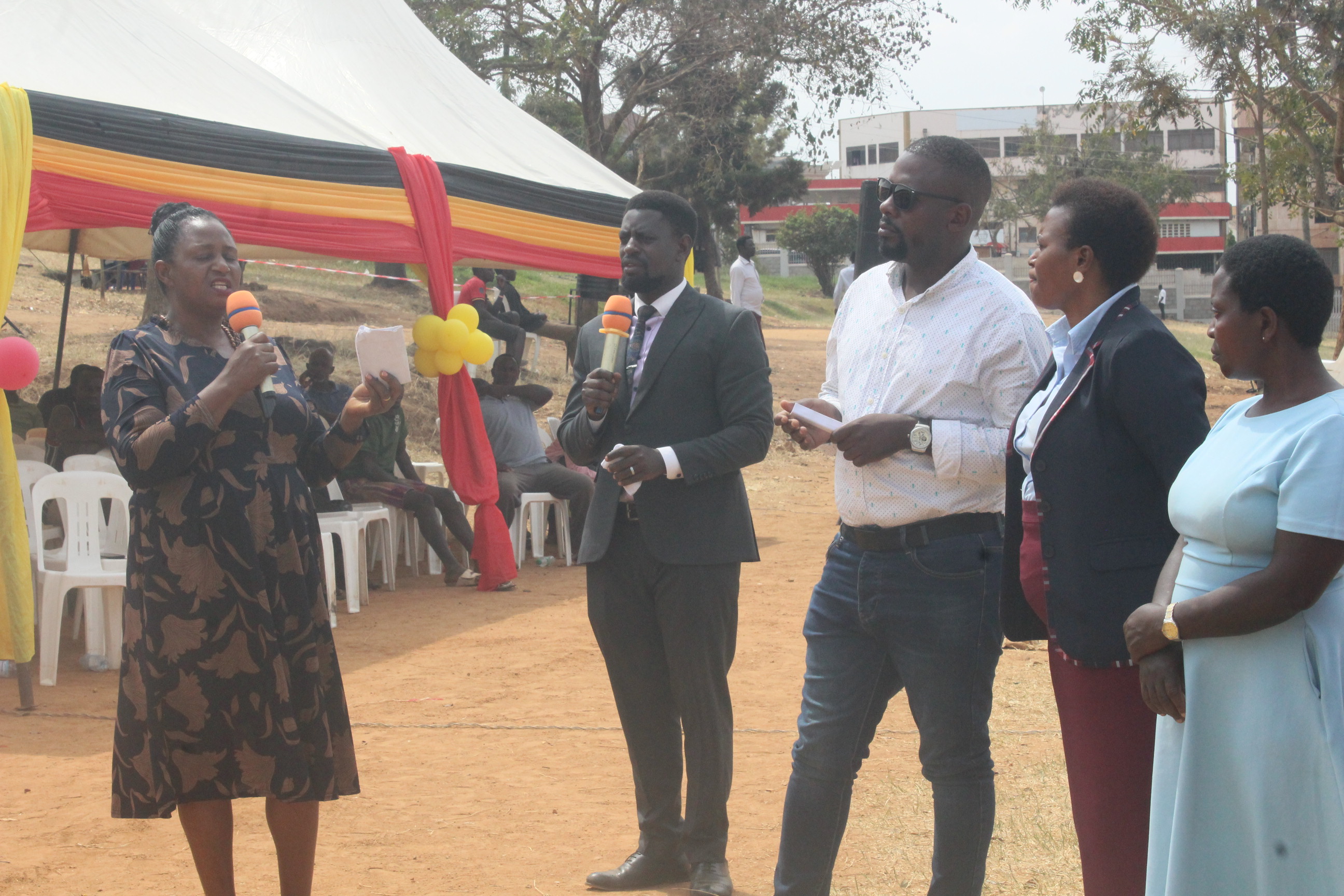
Locals inquring to know more about the health services delivered at Mbarara Regional Referral Hospital
MBARARA CITY
Local leaders and health workers in Mbarara are calling on the government to elevate Mbarara Regional Referral Hospital (MRRH) to a national referral status to address severe congestion and understaffing.
Mbarara City Speaker Bonny Tashobya made the appeal during a public health dialogue on Wednesday, noting that the hospital now handles patients from as far as Kasese, Masaka, and neighbouring countries including Tanzania, Congo, and Rwanda.
"This hospital has grown beyond its capacity. It was built for 270 beds, but we now receive nearly 700 patients daily. Some sleep on the floor, others share beds," Tashobya said.
He also called for the reinstatement of intern doctors, warning that their removal has worsened staffing shortages. "If you chase away interns, people will die. Doctors are overwhelmed, and without interns, they cannot cope," he added.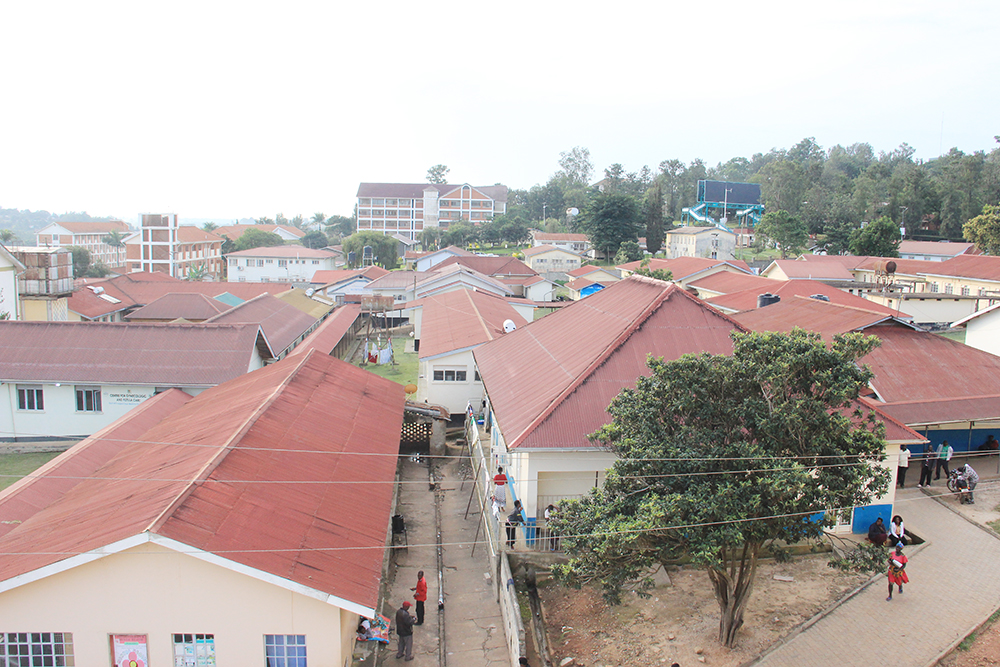
Mbarara Regional Referral Hospital
Congestion, Staffing Crisis Bite
Dr Deus Twesigye, the hospital's Acting Director, confirmed that the facility was constructed in the 1990s with a 270-bed capacity but now hosts over 554 beds, with patients still sleeping on floors.
He revealed that the hospital has only 331 staff against a required 1,256. "Even if we are hardworking, we cannot do the work of 1,256 people," he said.
On drug supplies, Twesigye noted that the annual budget of Shs 2.8 billion (recently increased to Shs 3.5 billion) is insufficient. "Each patient gets drugs worth only Shs 9,000 per year—yet we treat kidney diseases and other complex conditions," he explained.
Call for Police Land Transfer
Local resident Imam Akim suggested that police should relocate to allow hospital expansion, as MRRH is bordered by Mbarara University and River Rwizi with no room for growth. Twesigye confirmed that discussions with the Ministry of Internal Affairs have been ongoing for four years, with police agreeing to release four hectares of their six-hectare land—though the transfer has yet to materialize.
DHOs Advocate for Stronger Lower Health Centres
Dr Peter Sebutinde, Mbarara District Health Officer, urged government to fully functionalise Health Centre IVs across the region to decongest MRRH. He cited success in reducing maternal mortality from 336 to 189 per 100,000 by strengthening lower facilities.
"If our health centres become functional, only complex cases will reach the referral hospital," he said.
Sebutinde also called for increased staffing, medical supplies, and equipment at lower facilities, noting that Bwizibwera Health Centre IV has a surgeon but lacks operating equipment.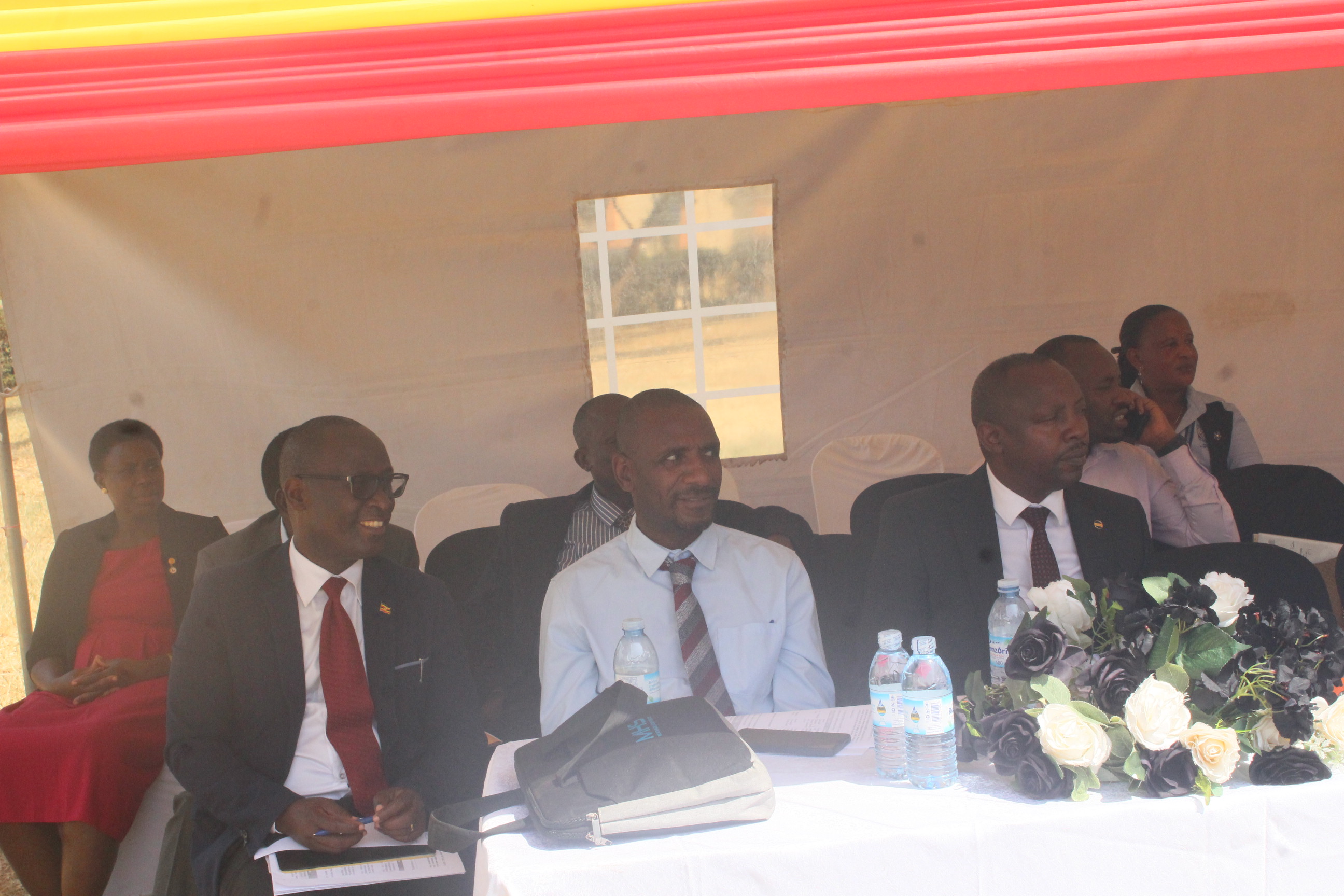
Some of the Medics attending a community Baraza at Independence Grounds Mbarara
Government Acknowledges Challenge
Dr Warren Namara, Head of the Health Monitoring Unit, backed calls for upgrade. "This hospital was built in the 1930s and remains largely unchanged. We need an expanded Mbarara National Referral Teaching Hospital," he said.
He also supported relocating police to create space for expansion.
Current Status of MRRH
MRRH, established in 1930 and elevated to a district hospital in 1953, became a teaching hospital in 1989. It currently offers specialised services including dermatology, plastic surgery, and neurosurgery, but struggles with a bed capacity of only 562 and severe staff shortages.
Despite challenges, Twesigye acknowledged government efforts, including provision of CT scans, MRI machines, oxygen plants, and a new ICU complex.



