Written By | Sports Desk
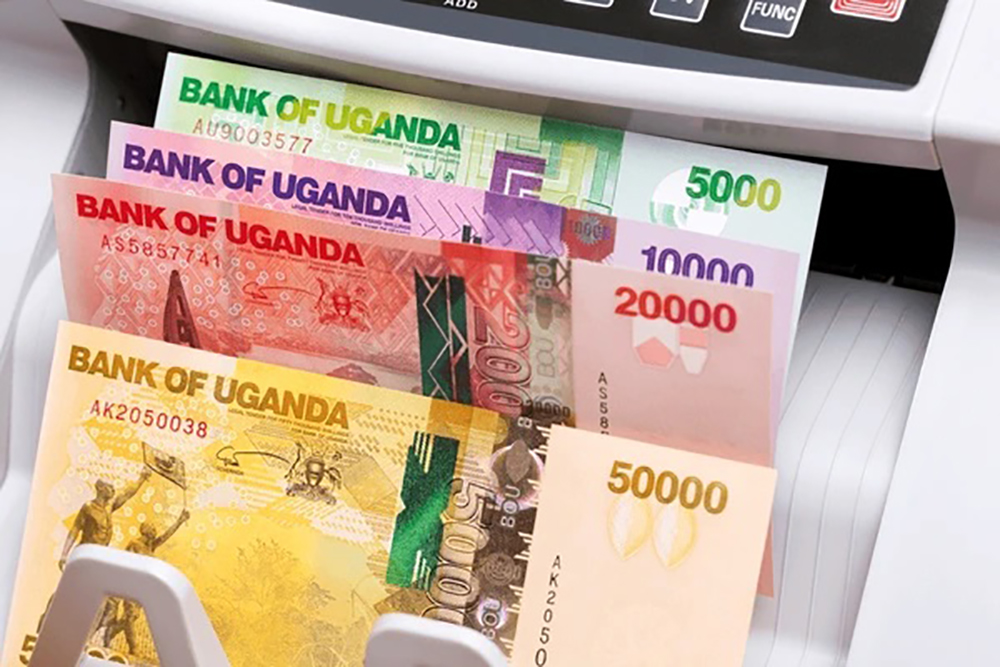
In September, annual headline inflation rose to 4.6% from 4.1% in August, according to Uganda Bureau of Statistics (Ubos) data cited by the Daily Monitor on 2 October 2026
BUSINESS AND ECONOMY
Uganda’s headline inflation still sits below the Bank of Uganda’s 5% target, but the figures beneath it are moving. In September, annual headline inflation rose to 4.6% from 4.1% in August, according to Uganda Bureau of Statistics (Ubos) data cited by the Daily Monitor on 2 October 2026. A weaker shilling, sharply higher fuel prices and rising food costs are converging, and the central bank has responded by raising the Cash Reserve Requirement (CRR) to 13.5% from 11%, effective 24 September.
The question for policymakers, businesses and households is whether these pressures stay contained in their separate categories or begin to feed into prices more broadly.
The numbers
The Monitor’s analysis of the Ubos figures shows several components running far ahead of the headline. Petrol closed at about Ush6,950 per litre, against Ush5,090 in March, a rise of 36.5%. Petrol inflation accelerated to 30.9% year on year in September from 28.5% in August, while diesel inflation climbed to 42.5% from 40.1%. The broader category of energy, fuels and utilities reached 14.5% from 14.3%.
Food has also turned. Food crop and related-items inflation more than doubled to 4.5% in September from 2.1% in August, driven by higher prices for dry beans, milk, fresh cassava, sweet potatoes and green cabbage. Core inflation, which strips out volatile items, rose to 3.7% from 3.5%, with core goods at 3.1% from 2.7% and services at 4.6% from 4.5%.
Ubos’s Head of Macroeconomic Statistics, Samuel Echoku, attributed the food price increases to climatic patterns that have hurt agricultural productivity. Census data cited in the article indicates that around 61% of households take part in crop production and 37% in livestock farming, so weather shocks are felt widely.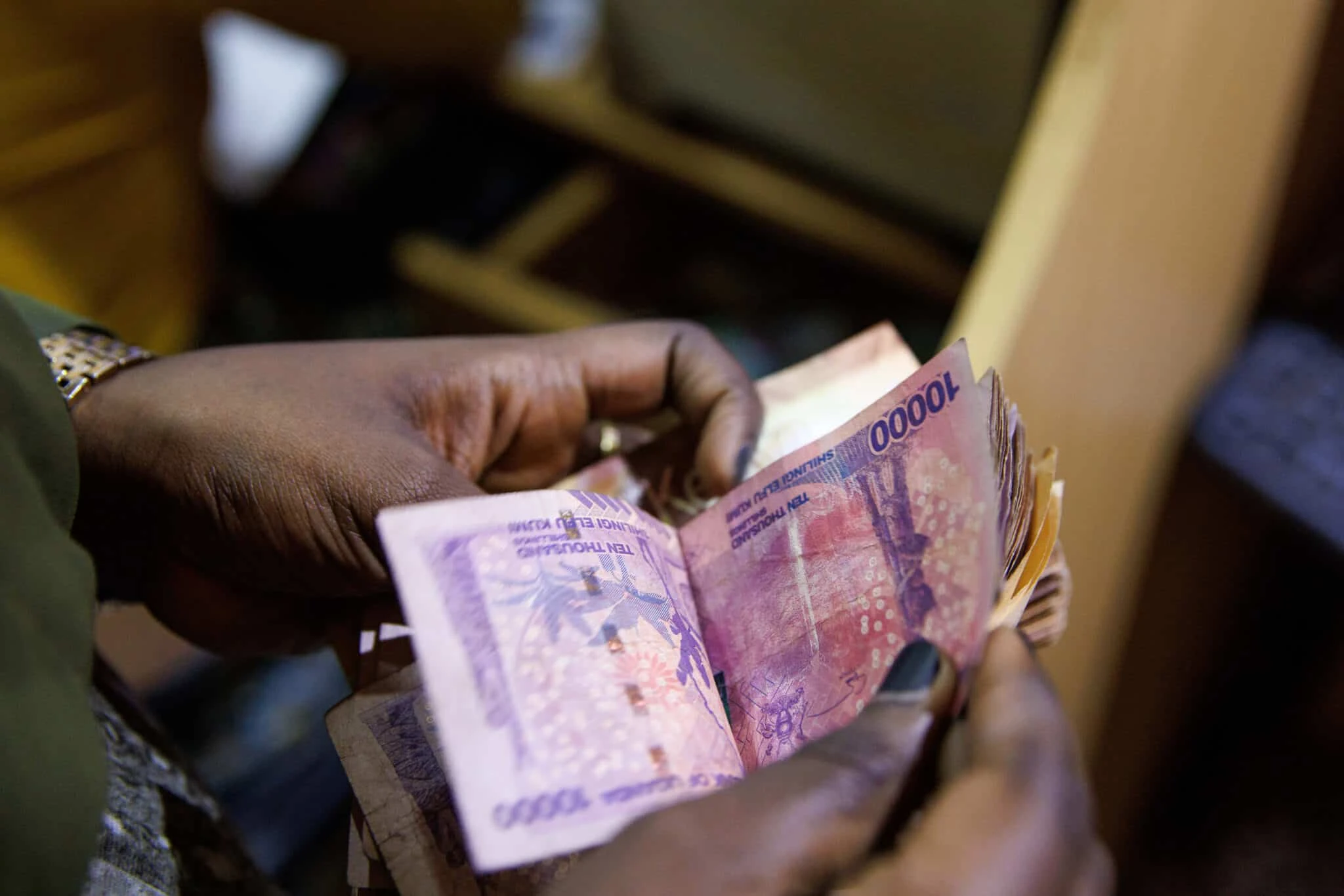
The shilling under pressure
The currency has been the other pressure point. Reporting from 20 September said the shilling had weakened nearly 6% since early September, moving from 3,860 to 3,870 per dollar to 3,925 to 3,935 by 17 September. The Monitor’s later analysis puts the move from roughly 3,760 to a low of about 3,940, a depreciation of 4.8%, before a partial recovery to around 3,918. The two accounts measure from different starting points, which explains the gap. One currency trader quoted in the earlier report said the shilling could test 4,000 per dollar, which would be its weakest level on record.
Bank of Uganda officials have explained the drivers. Adam Mugume, executive director for research and policy, said strong demand for dollars from manufacturing and energy companies exceeds the supply from exporters and other inflows, and that disruption to shipping lines has raised the dollar cost of moving the same volume of imports. He also pointed to geopolitical uncertainty linked to Iran, which has prompted forward buying of foreign currency. Governor Michael Atingi-Ego acknowledged the volatility in mid-September, saying: “We have seen this happen at several intervals in the past years. We shall overcome it.”
The central bank’s response
Effective 24 September, the Bank of Uganda raised the CRR, the share of eligible deposits that commercial banks must hold as reserves, from 11% to 13.5%. It had already lifted the ratio from 9.5% to 11% in May, when The EastAfrican reported that the aim was to calm foreign-exchange volatility amid a Middle East conflict that began in February 2026 and disrupted fuel supplies and shipping through the Strait of Hormuz. The bank said the latest step would support prudent liquidity management and improve monetary policy transmission.
The Central Bank Rate remains at 9.75%, so the bank has so far preferred a liquidity tool over a rate increase. Raising the CRR absorbs liquidity from banks, which can reduce the cash available to chase dollars, but it also reduces banks’ capacity to lend, a trade-off the September report noted.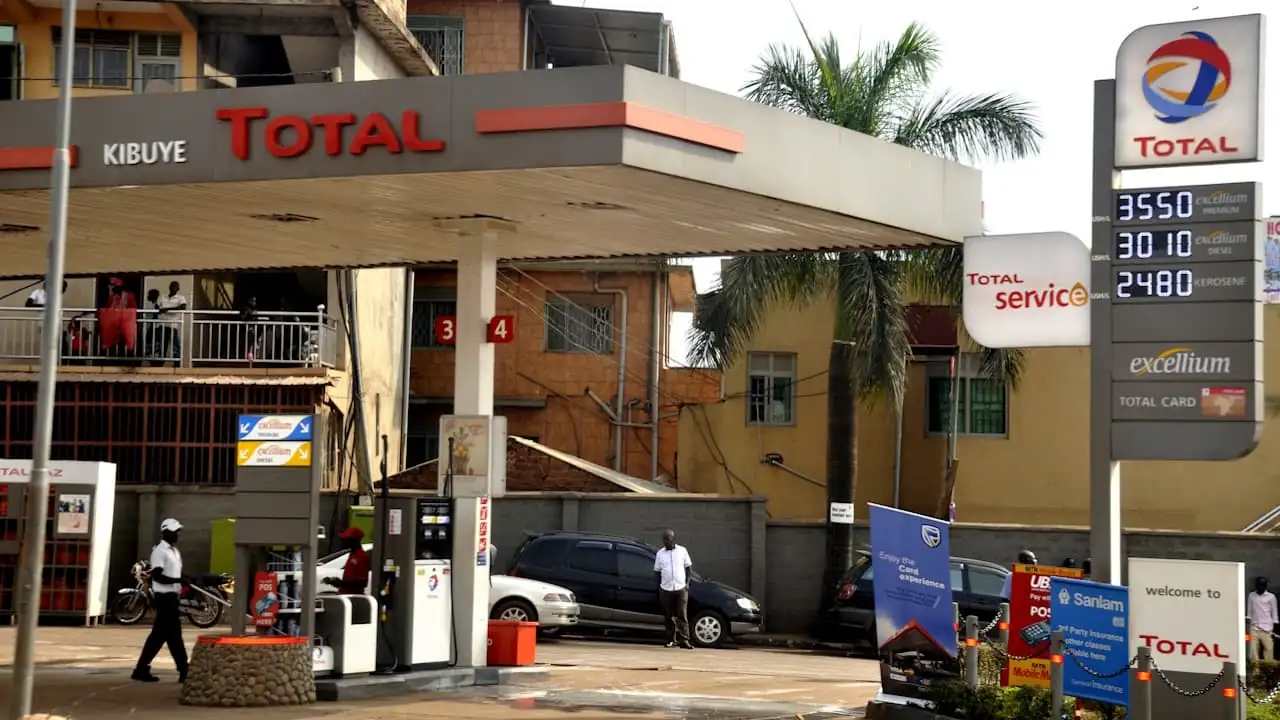
Why the underlying picture matters
The Monitor’s central argument is that the pressures reinforce one another. Poor weather reduces food supply, higher fuel costs raise transport costs, and a weaker shilling pushes up the price of imported fuel, fertiliser and machinery. Manufacturers then adjust factory-gate prices, and distributors pass transport costs down the chain. Monetary policy has limited power over such supply-side shocks, since interest rates cannot produce more beans after a poor harvest or lower global oil prices, but it becomes more relevant if the shocks begin to shape wider price expectations.
For households, the most immediate effect is in transport and food. For importers and manufacturers, a weaker currency raises input costs, and tighter liquidity can make borrowing more expensive or harder to obtain.
The oil backdrop
Uganda’s first commercial oil is meant to ease some of these stresses. The EastAfrican reported on 19 September that first production is expected to generate initial revenue of about Ush1.5 trillion, or $388 million, and that the East African Crude Oil Pipeline, running 1,445 kilometres from Hoima to Tanga, is about 92% complete, according to government officials. The crude has been branded “Pearl crude.” The same report stressed that uncertainty remains over the timeline for starting exports. Until dollars from oil exports flow, the shilling remains exposed to import demand and global shocks.
What to watch next
The next Ubos inflation release will show whether food and fuel pressures are spreading into core inflation. The shilling’s behaviour around the 3,940 to 4,000 range will indicate whether the CRR increase is working. The Bank of Uganda’s next policy decision will reveal whether it considers liquidity tools sufficient or is ready to adjust the Central Bank Rate from 9.75%. Developments in the Middle East and shipping routes, and any firm date for oil exports, will also shape the outlook.
Figures in this article are taken from the cited reports and are subject to revision by Ubos and the Bank of Uganda.



