Written By | International News Desk
Technical negotiations over the Strait of Hormuz, sanctions, and Iran's nuclear program continue under a shaky ceasefire, four months after the killing of Ali Khamenei
Background
The war that has consumed Iran and its regional rivals since late February traces back to a rapid escalation rooted in the broader Middle East conflict following the October 7, 2023, Hamas attack on Israel. As Israel fought Iran-backed militias across the region, tensions with Tehran rose steadily: Israeli strikes on the Iranian consulate in Damascus and the 2024 assassination of Hamas leader Ismail Haniyeh drew direct Iranian missile attacks on Israel in April and October of that year. By June 2025, Israel had launched what became known as the Twelve-Day War, striking Iranian military and nuclear sites.
The conflict entered a far more consequential phase in early 2026. According to reporting from The New York Times and other outlets, the CIA obtained intelligence about a planned Saturday morning meeting in Tehran that would bring together Supreme Leader Ali Khamenei and senior military leadership, and shared that intelligence with Israel after Prime Minister Benjamin Netanyahu lobbied President Donald Trump for a joint strike. On February 28, 2026, joint US-Israeli airstrikes on Tehran killed Khamenei along with senior officials, marking the start of what is now referred to as the 2026 Iran war.
By June, Israeli and US strikes had reportedly severely damaged Iran's enrichment sites at Natanz and Fordow, likely rendering them incapable of enriching uranium to weapons-grade levels. The IAEA withdrew inspectors in mid-2025 and has not been granted access since. US Director of National Intelligence Tulsi Gabbard testified in March that Iran had not resumed enrichment, even as the IAEA tracked a pre-war stockpile of uranium enriched up to 60 percent.
A shift toward de-escalation began in mid-June. On June 15, US and Iranian officials reportedly reached a preliminary framework aimed at extending a ceasefire and reopening the Strait of Hormuz. That framework was formalized on June 17, when Trump and Iranian President Masud Pezeshkian signed a memorandum of understanding committing Iran to make "best efforts" to ensure toll-free passage through the strait for 60 days.
Key Developments
In the two weeks since, the memorandum's terms have already come under strain. Despite the toll-free commitment, Iranian officials have repeatedly stated they intend to charge "service fees" for vessels transiting the strait. Iran's Islamic Revolutionary Guard Corps has since imposed what amounts to a toll-booth regime, requiring vessels to submit documentation, obtain clearance codes, and accept IRGC-escorted passage through a single controlled corridor. A spokesperson for Iran's energy exports union said the fee could run as high as roughly $1 per barrel**, or up to **$2 million per oil tanker, with at least two vessels reportedly paying in Chinese yuan. Whether these charges are voluntary or obligatory remains disputed — a diplomat described them as voluntary, while an Iranian official insisted payment is mandatory.
Diplomatically, the picture has been similarly unsettled. Iranian Deputy Foreign Minister Kazem Gharibabadi said working groups have been formed to implement the memorandum, but timing and venue have been mired in mixed signals. US envoy Steve Witkoff and Jared Kushner met Qatar's prime minister on June 30 to lay groundwork for technical talks in Doha. Trump said on June 29 that Iran had requested a meeting; Iran's Foreign Ministry publicly disputed that. As of July 2, indirect technical talks were reported to be under way in Doha, with the two sides still working through mediators.
The unresolved status of the talks has coincided with pointed warnings from Israel. Defense Minister Israel Katz said Israel could find itself back at war with Iran "within two days" if Tehran fires missiles at Israeli territory. Netanyahu, visiting troops in southern Lebanon, said Israel's campaign against the "Iranian axis" was "never over." Iran's negotiators have struck a similarly hardened tone at points, with reports describing Iran's top negotiator as saying the country is ready for war even as peace talks continue.
Beyond the direct combatants, the dispute over Hormuz fees carries global economic stakes. Analysts have warned that any sustained toll regime risks raising shipping costs and insurance premiums, with knock-on effects for global oil and gas prices.
Reactions
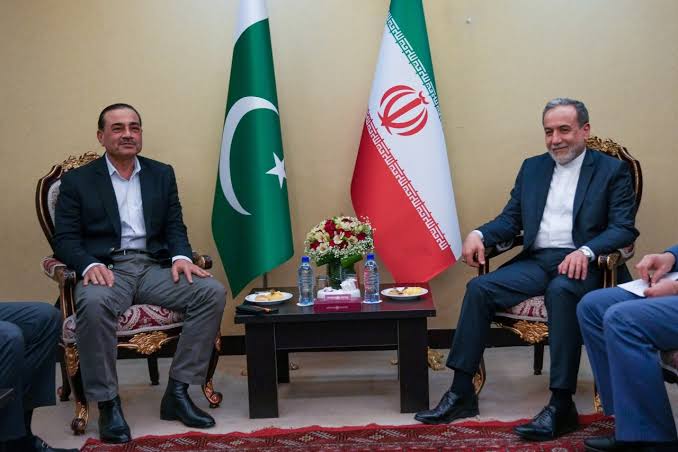
Reactions across the region have reflected the ceasefire's contested character. Israeli officials have combined affirmations of military achievements with explicit warnings that renewed conflict remains a live possibility. Iranian officials have alternated between participating in the process and pushing back forcefully on US characterizations. Qatar and Pakistan, as mediators, have generally sought to lower the temperature publicly. Human rights and humanitarian voices, including from the UN, have separately pressed for an end to hostilities.
What's Next
The most immediate question is whether the indirect technical talks in Doha can be converted into direct, substantive negotiations on unresolved issues:
With the 60-day toll-free passage window from the June 17 signing running out in mid-August, both sides face a rough deadline.
Israel's warning that war could resume within as little as two days of an Iranian missile launch means the diplomatic track operates with no room for miscalculation. A single incident at sea tied to the fee regime, or a strike attributed to Iran-aligned forces, could reignite direct hostilities before negotiators make progress on the underlying nuclear questions. The IAEA's continued lack of access to Iran's damaged sites leaves a significant verification gap that will need to be addressed before any durable agreement can be credibly assessed.
Sources: RFE/RL, CNN, Fox News, Al Jazeera, NPR, The National News, CBS News, Arms Control Association, The Times of Israel



