Written By |
Killings of people with albinism happen, especially during elections, when witchcraft beliefs intensify
Tanzania
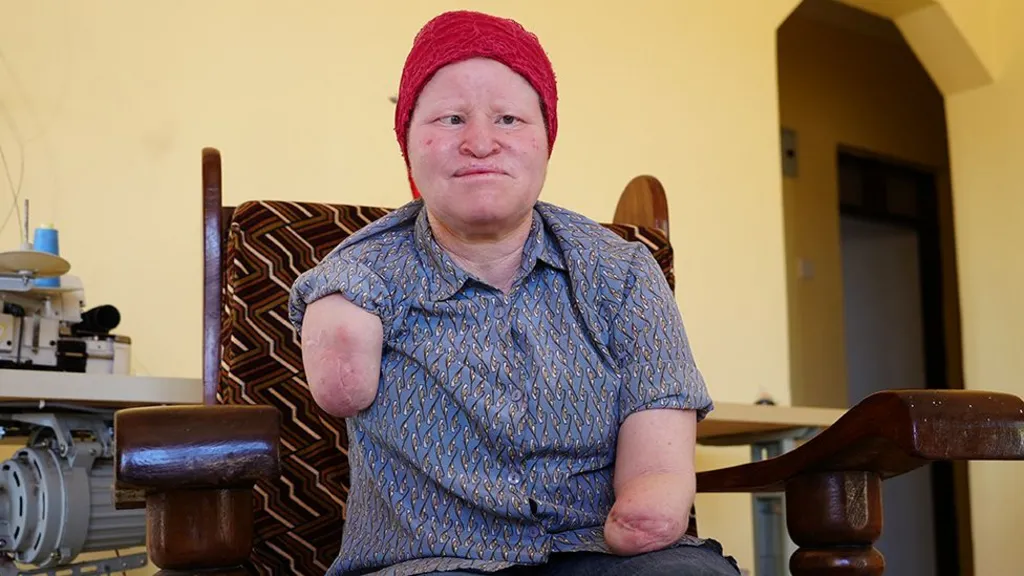
Every election season in Tanzania brings renewed fear for 42-year-old Mariam Staford.
While many citizens celebrate with songs, rallies, and campaign colors, Mariam and others with albinism brace themselves for danger. “The first thing that comes to me is fear,” Mariam told the BBC ahead of Wednesday’s presidential and parliamentary elections.
“I know that killings of people with albinism happen, especially during elections, when witchcraft beliefs intensify. That’s why I don’t take part in campaigns — I am too afraid.”
Living with Trauma
Albinism, a rare genetic condition that reduces melanin — the pigment that gives color to the skin, eyes, and hair — affects an estimated 30,000 people in Tanzania. But widespread superstition has turned many of them into targets. The false belief that body parts of people with albinism bring wealth, luck, or political success has driven hundreds of attacks and murders across the country.
Activists say these incidents often spike around election periods, when desperation for political gain fuels witchcraft-related rituals. Mariam knows this danger intimately. In 2008, one of the deadliest years for people with albinism in Tanzania, Mariam was attacked in her home in Kagera, a region on the country’s north-western border.
“They came late at night with machetes,” she recalls quietly. “They cut off my right arm above the elbow and took it away. Then they cut off my left arm.”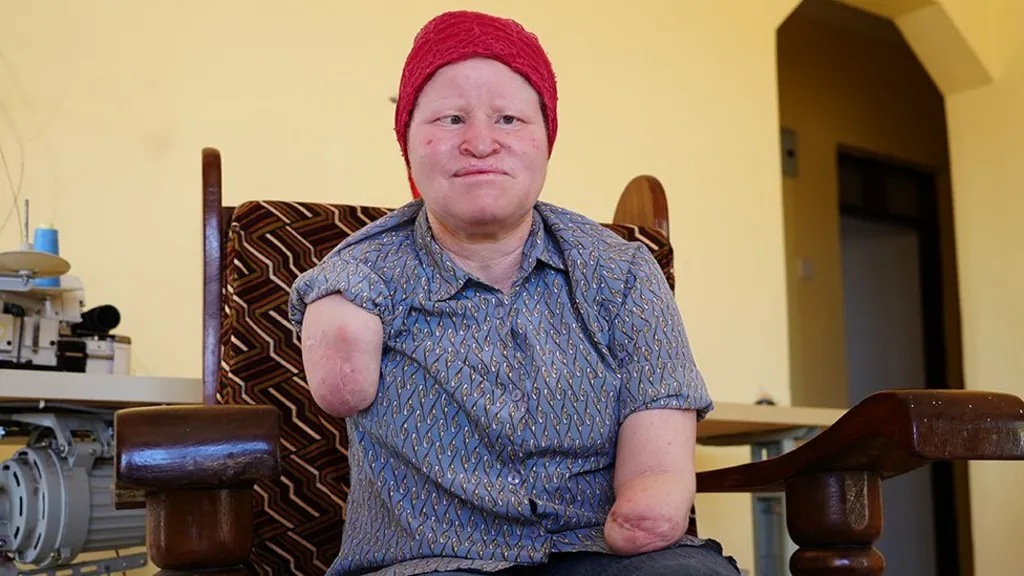
She was five months pregnant at the time. “The next day, I was taken to a dispensary unconscious. The doctor said, ‘This person is already dead, take her home and bury her.’”
Mariam survived — but her unborn child did not.
The attack left her permanently disabled and forced her to flee Kagera, one of the epicenters of ritual killings of people with albinism. She later resettled in the Kilimanjaro region, where the rights group Under the Same Sun built her a home and trained her in knitting. She now makes sweaters to earn a living.
Still, the memories remain vivid.
“Even now, I sometimes dream of that night,” Mariam says. “When I wake up, I touch my arms and remember they are not there. It’s something I will never escape.”
A Pattern of Violence
According to Under the Same Sun, there have been 211 recorded attacks on people with albinism in Tanzania since 2008.
These include:
In 2008 alone, 35 people were murdered, though activists believe many more cases went unreported.
The killings sparked international outrage and a government crackdown. Then-President Jakaya Kikwete condemned the attacks and ordered tougher action against perpetrators. Laws were strengthened, and campaigns were launched to challenge discrimination and witchcraft-related violence.
A monument now stands in Sengerema, north-west Tanzania, honoring the victims.
The life-sized statue depicts a father lifting a child with albinism onto his shoulders while the mother shields the child from the sun.
Mariam’s name is among those engraved there.
Memories of Loss
Also remembered is five-year-old Mariamu Emmanuel, who was murdered in 2008. Her brother, Manyashi Emmanuel, now 25, recalls the horror.
“I was eight years old and saw her legs, hands, and tongue removed by the attackers,” he says from his home in Mwanza. “Ever since then, I’ve lived in fear — especially during elections.”
Despite public awareness campaigns, the violence has not stopped.
In June this year, an attempted attack was reported in Simiyu region. The victim escaped unharmed but was later moved to a safe house.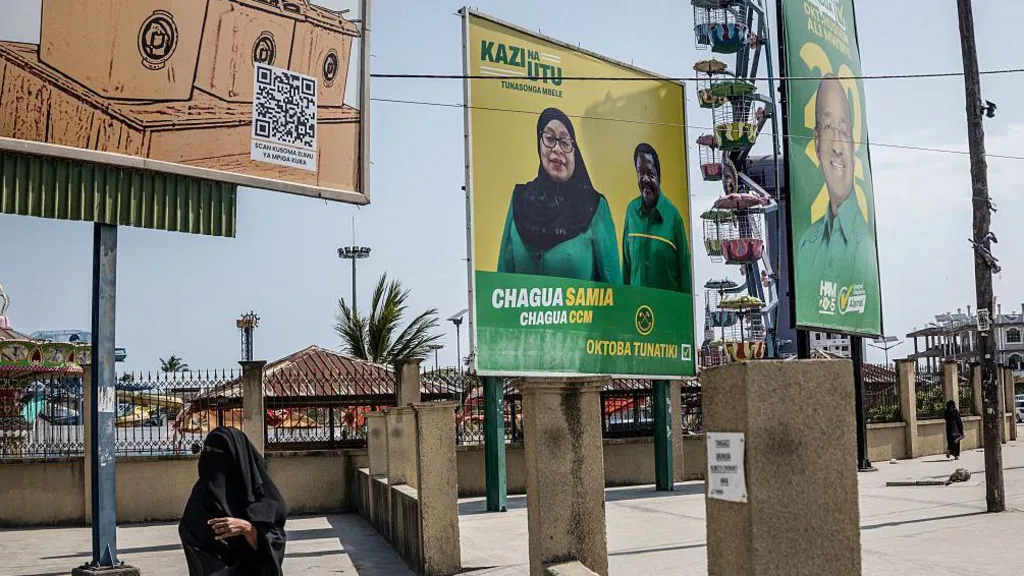
Campaigning is under way for Wednesday's elections
Government Response
President Samia Suluhu Hassan has warned against harmful traditional beliefs, saying they have no place in modern Tanzania. Local officials, like Senyi Ngaga, a district commissioner in one of the affected areas, say education campaigns have helped, but rural communities remain vulnerable.
“We recently held a festival with traditional healers and advised them to reject such practices,” Ngaga said. “As the election approaches, we’ve urged them to be good ambassadors and help protect people with albinism.”
Signs of Progress — and Pain That Remains
Human rights organizations acknowledge some progress. Awareness drives, school inclusion programs, and civil society initiatives have improved understanding in several areas. Many communities now view albinism not as a curse but as a natural condition. Still, tragedy strikes.
Last year, two-year-old Asimwe Novath was abducted from her home in Kagera. Seventeen days later, parts of her body were found stuffed in a sack under a bridge. Nine suspects have been charged, but the case is ongoing.
“It took me back to my own night of attack,” Mariam says. “I know that pain. Her mother will never forget it.”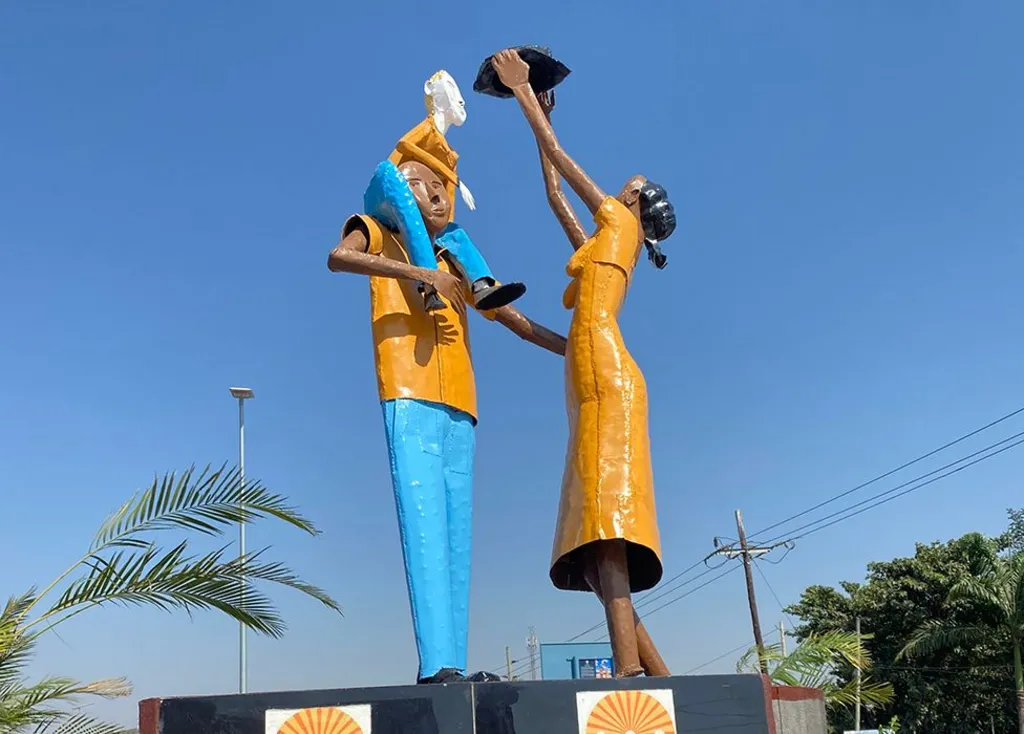
A monument has been built to commemorate the people with albinism who have been attacked
Choosing Safety Over the Ballot
Mariam’s life today is quiet and cautious. She rarely moves alone and avoids public gatherings.
“Fear is part of my everyday life,” she says. “When elections come, I stay home.”
As Tanzanians prepare to vote, Mariam says she will not cast her ballot.
“I don’t believe my vote will change anything for me,” she admits softly. “So I’ll just stay indoors — and pray.”
SOURCE: BBC
CLICK TO READ ORIGINAL STORY



