Written By | BK Mugizi

The policy was disseminated to headteachers of primary schools operating nursery sections in Bushenyi District during a workshop held at St Kagwa Bushenyi High School on Thursday.
BUSHENYI
The Ministry of Education and Sports has directed pre-primary schools across the country to use the local language of the area as the medium of instruction under the newly introduced Early Childhood Care and Education (ECCE) Policy 2025 and the reviewed pre-primary curriculum.
The policy provides that ECCE centres should use the local language of the area where they are located, while in cosmopolitan areas, English should be used alongside the dominant local language.
The policy was disseminated to headteachers of primary schools operating nursery sections in Bushenyi District during a workshop held at St Kagwa Bushenyi High School on Thursday.
Adella Mbabazi, an Early Childhood Care and Education Curriculum Specialist at the National Curriculum Development Centre (NCDC), said the reviewed curriculum has seven learning areas, including early literacy in the local language and early literacy in English.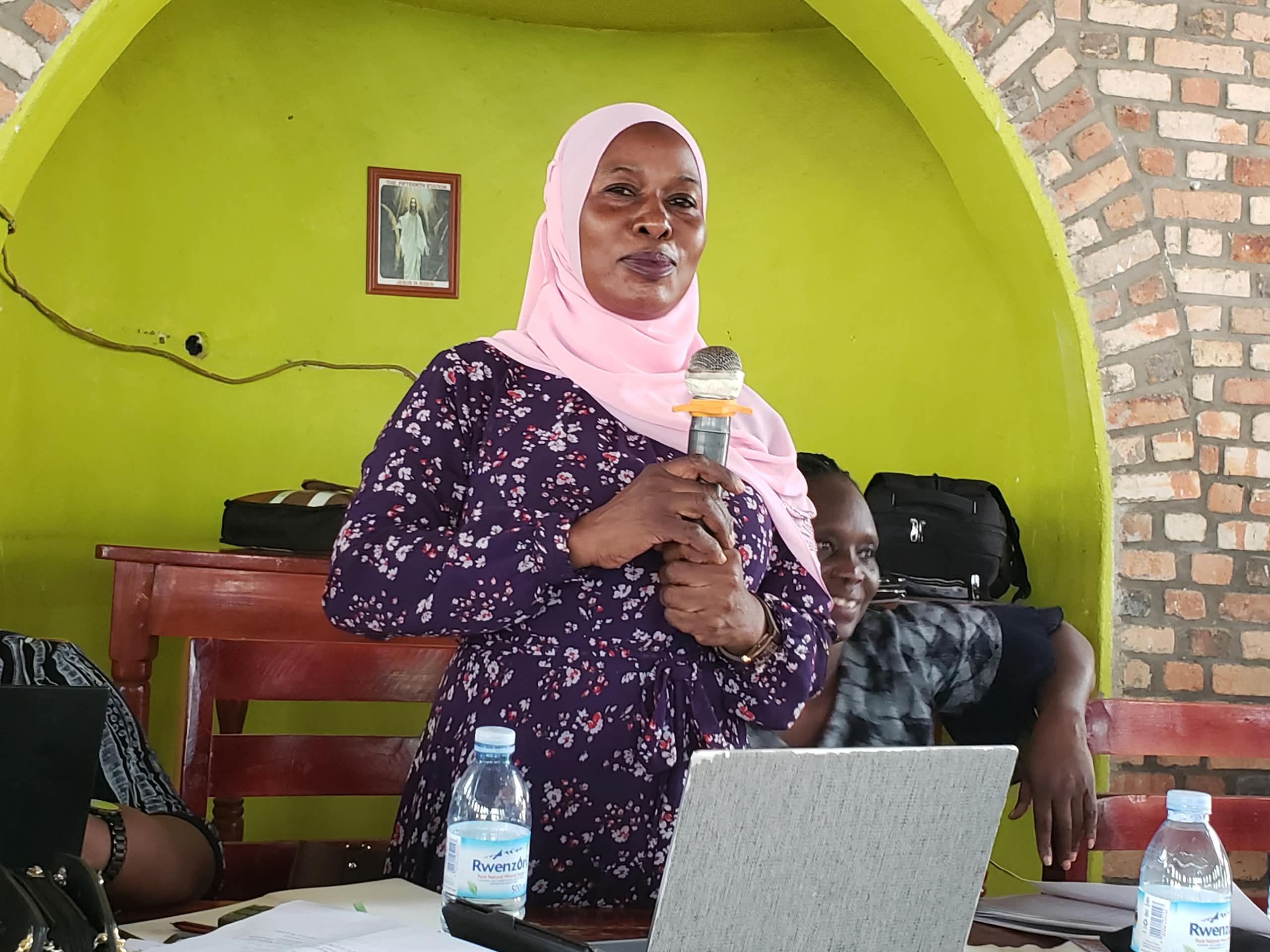
Doreen Ankunda Tumwebaze, the Commissioner for Basic Education Standards in the ministry of Education and sports
"We were suggesting that the mother tongue or the area language should be used as a medium of instruction, then English will be taught in English. At the same time, we have seven learning areas, of which one is early literacy skills in the local language and then early literacy skills in English," Mbabazi said.
She said the approach would enable children to develop language skills in both their local language and English.
Mbabazi clarified that the curriculum being disseminated is a reviewed curriculum rather than an entirely new one.
She said the previous framework presented challenges to teachers because some found it difficult to interpret and translate it into classroom activities.
"We are not calling it a new curriculum but a reviewed curriculum because what was there was a learning framework, but teachers were failing to interpret it. Some things in it were not clear, so we informed them that we are going to make their work simpler," she said.
The ECCE Policy 2025 places emphasis on foundational competencies, including socio-emotional skills, pre-literacy and pre-numeracy, to prepare children for primary education.
It also promotes play-based and task-based learning to support children's social, emotional, cognitive and physical development.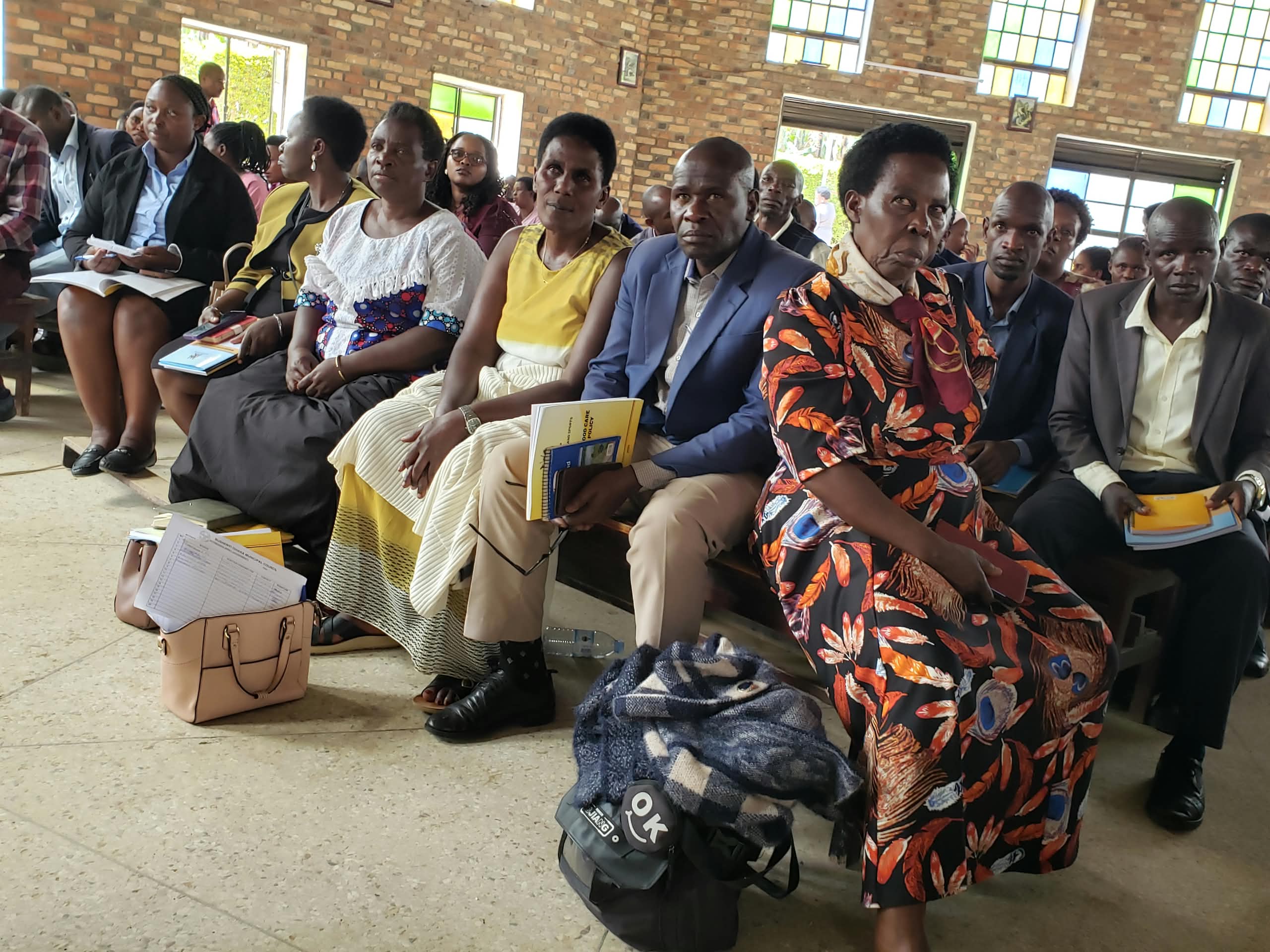
Separate standards for nursery schools
Doreen Ankunda Tumwebaze, the Commissioner for Basic Education Standards at the Ministry of Education and Sports, said the ministry had developed separate Basic Requirements and Minimum Standards for pre-primary schools.
She said the standards were intended to guide schools on the minimum requirements for operating nursery sections.
"We told them requirements for pre-primary schools are different from the requirements for children who haven't entered primary. So we made separate basic requirements for pre-primary education," Tumwebaze said.
She said school operators were taken through the requirements and given materials to help them understand the standards applicable to their institutions.
The ECCE policy provides for the licensing of ECCE centres and periodic inspections to ensure that providers meet the required standards. It also sets requirements covering facilities, teachers, curriculum, assessment, child safety and learning environments.
Tumwebaze urged schools operating nursery sections to embrace local languages as provided for in the policy.
"We have told them to teach learners using the language of the area because they have to master their language first. We say they should develop their language appropriately before they start to speak English," she said.
She added that developing children's language skills in a familiar language would help them understand other languages.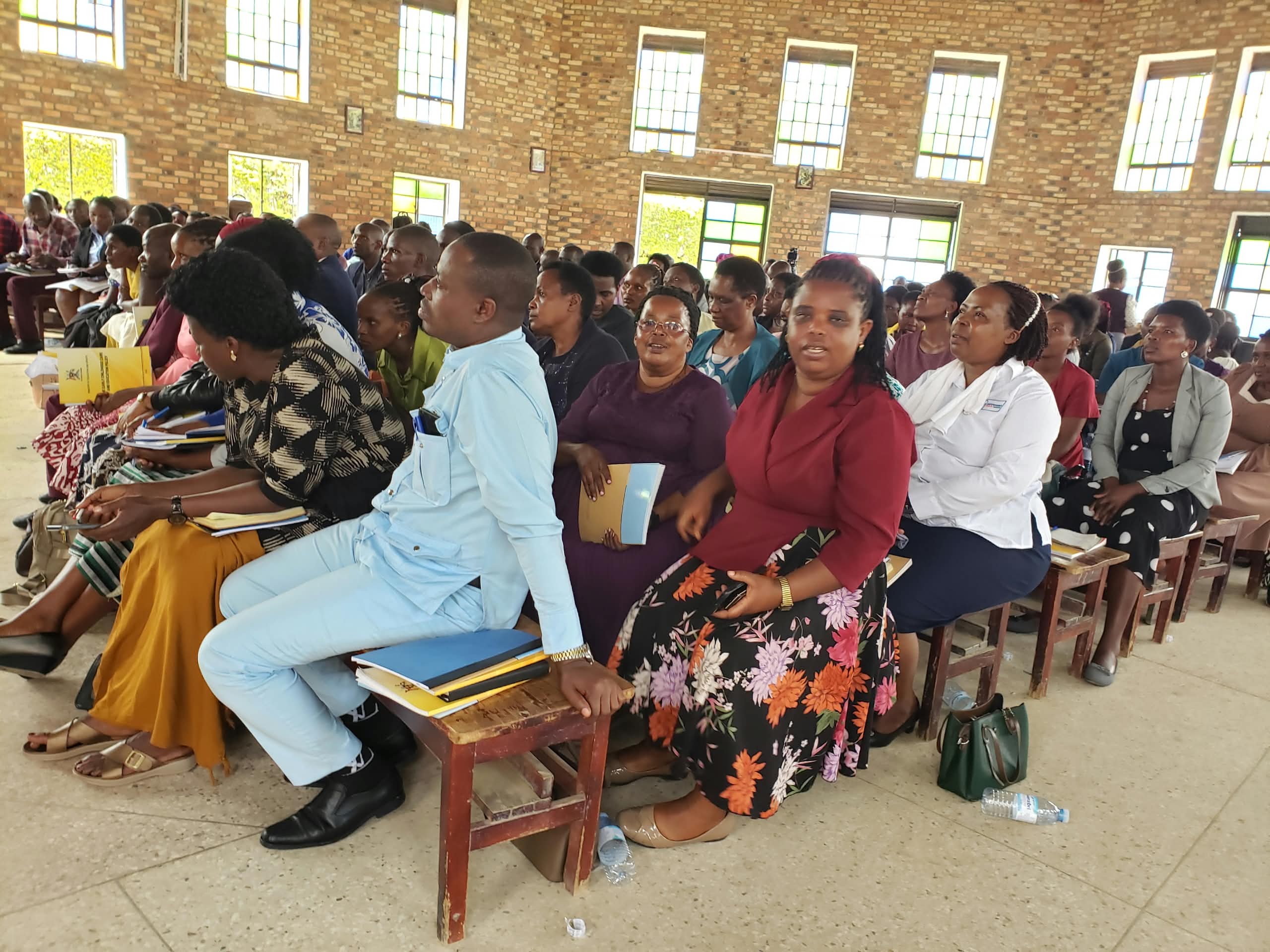
Headteachers welcome approach
Some headteachers welcomed the emphasis on competence-based learning.
Desmond Tayebwa, one of the headteachers, said the approach would allow children to learn through practice, exploration and collaboration instead of relying heavily on theoretical work.
"We have learnt that children should be given competence-based education whereby children will be learning through practice, exploration and collaboration and be evaluated according to their competences," Tayebwa said.
He said the approach would help children develop practical skills that could remain with them as they grew.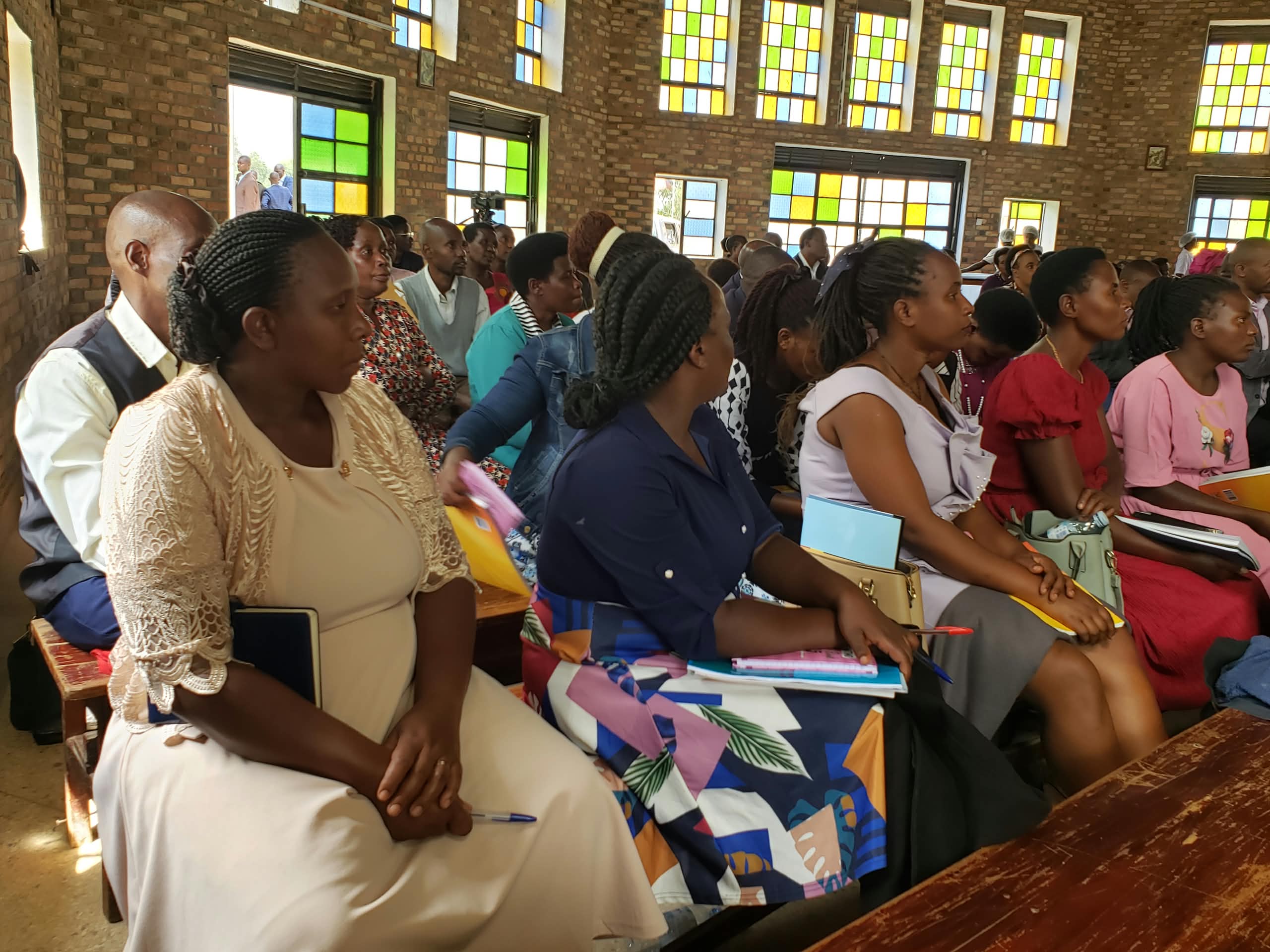
Concern over multicultural schools
However, some headteachers raised concerns about how the local-language requirement would be implemented in schools with children from different linguistic and national backgrounds.
Weishe Muhango, headteacher of Busy Bee Nursery and Primary School in Bushenyi, said some schools had children from different countries and communities.
"My complaint is, and it's a voice for most of the schools, the policy is talking of using mother tongue, but what will happen to those schools with international children and also schools with children from different countries? How will they use mother tongue?" Muhango asked.
The policy provides that in cosmopolitan areas, English should be complemented by the dominant local language.
It also requires admission to ECCE centres to be non-segregative, regardless of nationality, tribe, disability, religion or gender.
The ministry said it would continue engaging education stakeholders to ensure the policy and reviewed curriculum were understood and implemented effectively.
The ECCE Policy 2025 seeks to improve the quality and regulation of early childhood education, strengthen teacher and caregiver professionalisation, improve learning environments and establish uniform standards for providers.



