Written By |
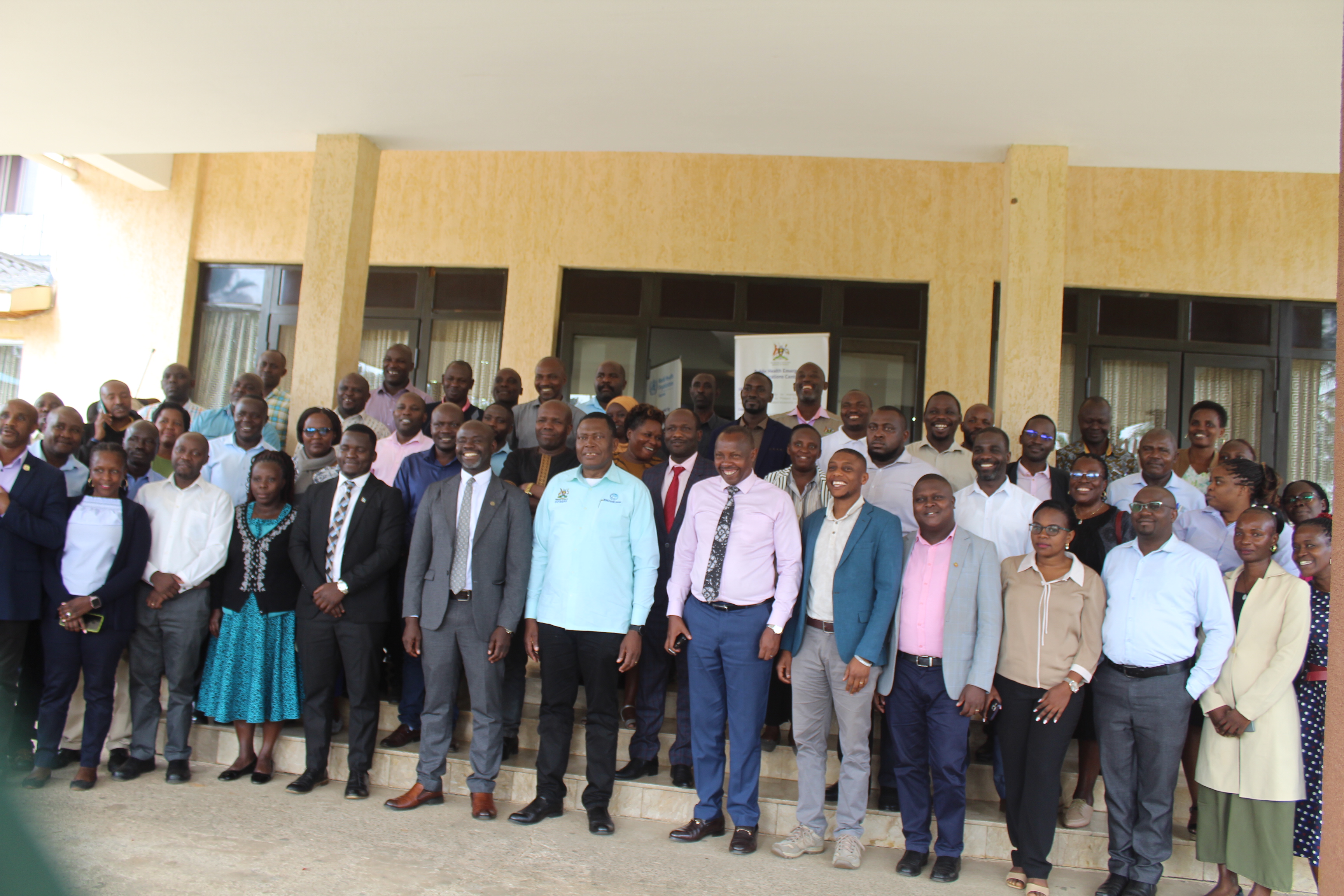
Medical workers at the launch
By Jovita Hasto
A team from the Ministry of Health, with support from the World Health Organization and other partners, has embarked on medical training aimed at creating a multidisciplinary team anchored at the regional level to manage disease outbreaks and respond swiftly to emergencies across the country.
The training brought together medical personnel from the Masaka, Mbarara, Kabale, and Fort Portal regions, who will serve as pillars to empower communities to take action to detect, prevent, and control emergencies at the grassroots level before they become a public threat.
Uganda has experienced multiple epidemics—including Mpox, Ebola, measles, malaria, and chickenpox—due to factors such as pathogen mutation, changes in host status, environmental conditions that favor transmission, and human behaviors that facilitate rapid spread, sometimes leading to death if not detected and contained early. Dr. Atek Kagirita, the head of the Public Health Emergency Operations Center at the Ministry of Health, says action must be taken early enough to ensure that disease control systems respond swiftly to contain outbreaks. “After an outbreak is reported, there should be a response within 24 hours. We are working to transform the emergency operations centers to be fully functional and well-coordinated to ensure that other cases do not increase—for example, malaria cases are rising,” he said.
Dr. Kagirita emphasized that cases should be handled where they are reported to reduce the burden of transporting samples to Kampala for testing and waiting for results to confirm a patient’s status. He noted that health teams—including VHTs, district surveillance officers, and professional emergency operations officers—will be based in the regions to respond to outbreaks and work together to control the spread.
“We no longer want to take samples from a patient and send them to Kampala. We want communities to know that we need people-centered emergency operations in the regions, with evidence-based analysis, to deliver services directly and avoid confusion and delays,” he added.
Dr. Charles Olaro, the Director General of Health Services at the Ministry of Health, said the purpose of the training is to build the capacity of teams to respond to outbreaks within 24 hours.
“We emphasize that even as we respond to outbreaks, we must maintain essential services. We do not want mothers and children to suffer other conditions due to outbreaks. The reason for this training is to build the capacity of teams, and the teams at the center will come to assist them,” he said.
Dr. Deus Twesigye, the Acting Director at Mbarara Regional Referral Hospital, welcomed the training, highlighting that the facility is ready to support the initiative with the available resources to control the spread of outbreaks. “We have managed to cope well with epidemics. Our isolation unit has a 30-bed capacity, and we have support from partners and the government to help control the rapid spread,” he said.
Torch Media Africa



