A major Mayo Clinic study of more than 1,300 cancer patients has found distinct gut-bacteria "fingerprints" in people diagnosed with bowel and breast cancer at 50 or younger, as rates in younger adults keep climbing. It also found microbes linked to survival and to brutal chemotherapy side effects. Here's what it does and doesn't tell us.
ROCHESTER, Minnesota
It is one of the most baffling and frightening trends in modern medicine. Bowel cancer and breast cancer, diseases long thought of as problems of later life, are striking more and more people in their twenties, thirties and forties. Doctors have searched for the culprit in diet, obesity, antibiotics, lifestyle and the environment. So far, there is no single smoking gun.
Now scientists at the Mayo Clinic have found a new clue, and it comes from stool samples.
In a study published in the leading journal Cell and announced this week, Mayo Clinic researchers report that adults diagnosed with colorectal (bowel) or breast cancer at age 50 or younger carry distinct patterns of gut bacteria compared with people who get the same cancers later in life.
Young bowel cancer patients had more of a lactate-eating bacterium called Veillonella parvula, along with higher levels of lactate itself. Young breast cancer patients showed differences across 64 bacterial species and lower levels of chemicals called primary bile acids.
The scientists are clear that this does not prove the bacteria cause cancer. But they say these are exactly the signals that need to be chased down next.
INSIDE THE STUDY
The findings come from the Mayo Clinic Cancer Microbiome cohort, a real-world study that recruited cancer patients at Mayo's campuses in Arizona, Florida and Minnesota, drawing people from 40 US states. The researchers analysed stool samples from 1,364 patients across a wide range of cancer types, stages and treatments.
Crucially, the samples were collected before patients started a new round of treatment, and then linked to detailed medical records showing what happened next: which side effects they developed, and how they fared over time.
That design lets the team ask three big questions. Does the gut look different in cancer patients? Do particular cancers have their own microbial signatures? And can the gut bacteria present before treatment hint at how a patient will do?
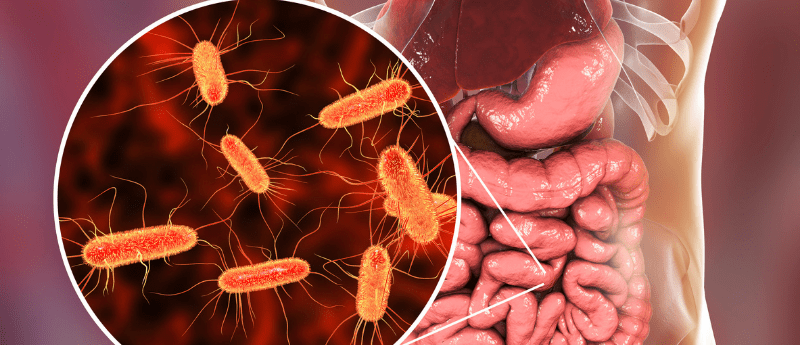
The gut microbiome, the trillions of bacteria, viruses and fungi living in our digestive tract, helps digest food, trains the immune system and produces a stream of chemicals that circulate through the body. Scientists have spent two decades linking it to everything from obesity to depression. Its role in cancer is one of the hottest and most contested areas in the field.
FIVE CANCER GROUPS, FIVE DIFFERENT GUT PICTURES
The researchers first compared the cancer patients with 287 people who did not have cancer, to identify broad differences. Then they went further, comparing cancer types against each other to pick out signals unique to specific diseases.
After adjusting for other health conditions that can affect gut bacteria, they pinpointed 341 bacterial species associated with five cancer groups:
- Neuroendocrine tumours showed a broad loss of common gut bacteria normally associated with good health.
- Liver cancer and cancer of the bile ducts inside the liver had higher levels of several bacteria, including Enterococcus faecalis.
- Oesophageal (food pipe) cancer had higher levels of six species, including several Streptococcus bacteria.
- Lymphoid leukaemia showed its own distinct associations.
- Multiple myeloma and related plasma cell cancers also showed distinct patterns.
"We can now narrow the search to those microbial changes that are most specific to individual cancers," said Dr Ruben Mars, a Mayo Clinic microbiome researcher and co-corresponding author of the study. "Those are the signals we need to understand first if we want to determine whether the microbiome plays a causal role in cancer and ultimately develop targeted interventions."

THE YOUNG-CANCER MYSTERY
The early-onset findings are the ones most likely to grab attention, because they land in the middle of a public health puzzle.
According to the American Cancer Society, colorectal cancer incidence is rising by about 3% a year among adults aged 20 to 49. Breast cancer incidence is rising by 1.4% a year among women younger than 50. Patients diagnosed young are often caught late, partly because neither they nor their doctors expect cancer at their age.
In the Mayo study, three cancers were examined for age-related differences: colorectal, breast and brain.
In bowel cancer, the young patients stood out for having more Veillonella parvula and higher lactate. That pairing is intriguing. Tumours are known to churn out large amounts of lactate as a by-product of their unusual way of burning fuel, and Veillonella parvula uses lactate to grow. Whether this is a cancer feeding the bacterium, a bacterium helping the cancer, or simply a side effect of something else is not yet known.
In the words of Mayo Clinic's announcement, the colorectal finding "raises questions about a possible biological connection," but "whether that relationship plays a role in early-onset disease is not yet known."
In breast cancer, the differences were more widespread, touching 64 species. One of them was Clostridium scindens, a bacterium involved in processing bile acids and steroids. That caught researchers' eye because steroid hormones such as oestrogen play a major role in many breast cancers. Younger breast cancer patients also had lower levels of primary bile acids, the compounds the liver makes to help digest fat, which gut bacteria then chemically transform.
In brain cancer, by contrast, the team found no comparable age-related differences, which suggests the signals in bowel and breast cancer are not just a general effect of being younger.
BUGS LINKED TO SURVIVAL
The study also looked at who lived longer. Researchers identified specific gut bacteria associated with survival in six cancers: colorectal, liver and intrahepatic bile duct, melanoma, ovarian and prostate.
In liver and bile duct cancer, for example, a bacterium called Bifidobacterium longum (a familiar name to anyone who reads probiotic labels) was associated with longer survival. Another, Blautia A massiliensis, was associated with shorter survival.
Again, these are associations. They do not mean that swallowing a Bifidobacterium supplement will help anyone survive cancer, and the researchers make no such claim.
THE CHEMOTHERAPY CLUE
Perhaps the most practical finding concerns one of the most miserable side effects of cancer treatment: diarrhoea.
The researchers looked at patients receiving 5-fluorouracil, or 5-FU, a widely used chemotherapy drug for bowel and many other cancers. Severe diarrhoea can force doctors to cut doses or pause treatment, and it can land patients in hospital.
Those who went on to develop diarrhoea had lower levels of bacterial genes capable of breaking down the drug before treatment even began. Much of that drug-processing ability came from a common gut bacterium called Anaerostipes hadrus.
Tellingly, the same signal did not predict diarrhoea in patients receiving carboplatin, a different chemotherapy drug. That suggests the finding is specific to 5-FU, which makes a real biological mechanism more plausible.
The tantalising possibility: one day, a simple stool test before chemotherapy might warn doctors which patients are at risk, so they can adjust treatment or protect the gut in advance.
EXPERT PERSPECTIVE
The study's senior author, Dr Purna Kashyap, director of the Mayo Clinic Microbiome Program, framed the findings as a starting point rather than a breakthrough treatment.
"The microbiome is not the sole driver of cancer or treatment outcomes, but it is an underappreciated component that has not traditionally been considered in therapeutic approaches," he said. "This gives us a proof of concept that we can begin to understand why some patients experience a particular side effect and identify a target that could potentially be acted upon."
His team has been building toward this for years. Back in 2024, Dr Kashyap described the goal of the wider Mayo project as being to "individualize treatment plans that provide the right drug at the right time based on a person's unique microbiome and genetics."
Independent experts in the microbiome field have long warned about a key trap with studies like this one: reverse causation. Cancer itself, and the things that come with it, such as weight loss, changes in appetite, previous treatments, stress and hospital stays, can all reshape the gut. A bacterium that is more common in cancer patients might be a consequence of the disease rather than a cause.
Mayo Clinic's own announcement reflects that caution. The early-onset findings "do not establish that these microbial or metabolic differences cause early-onset disease," it states, "but they identify associations that warrant further study."
Other limits are worth noting. All patients were treated at Mayo Clinic, a specialist centre whose patients may not represent the general population. The comparison group of 287 people without cancer is far smaller than the cancer group. And a single stool sample is a snapshot of an ecosystem that shifts with every meal.
Next, the researchers say, they will investigate whether the cancer-specific signals actually play a causal role in disease, and test whether the microbiome can predict treatment side effects in larger groups of patients.
The research was supported in part by the US National Institutes of Health and by philanthropic gifts to the Mayo Clinic Microbiome Program and Center for Individualized Medicine.
WHAT THIS MEANS FOR YOU
This study will not change what your doctor does tomorrow. But here is how to use the news sensibly:
- Don't panic about Veillonella. It is a normal resident of the human mouth and gut. Having it does not mean you have, or will get, cancer. There is no test you should be asking for.
- Know the warning signs at any age. For bowel cancer: blood in your stool, a lasting change in bowel habits, unexplained weight loss, ongoing tummy pain or unexplained tiredness. For breast cancer: a new lump, changes in skin or nipple, or discharge. Being "too young" is not a reason to wait.
- Check your screening age. In the US, routine bowel cancer screening is now recommended from 45 for people at average risk, and earlier if you have a family history. Ask your doctor what applies to you.
- Be wary of probiotic marketing. Expect some companies to seize on headlines like this. There is no evidence from this study that any supplement prevents cancer or improves survival.
- Gut-friendly habits are still sensible. A diet rich in fibre, fruit, vegetables and whole grains supports a diverse gut ecosystem and is already linked to lower bowel cancer risk. Avoid antibiotics you don't need.
- On chemotherapy? If you are starting 5-FU or similar drugs, tell your care team quickly about any diarrhoea. It is treatable, and early action matters.
THE BOTTOM LINE
The rise of cancer in younger adults is one of medicine's great unsolved mysteries. This Mayo Clinic study does not solve it, but it adds a new and intriguing thread: the bacteria living inside us may look measurably different in people struck young by bowel and breast cancer.
Add in clues about survival and a possible early warning for chemotherapy side effects, and the gut is looking less like a bystander in cancer and more like a player whose role needs to be understood.
As Dr Mars put it, the goal now is to narrow the search and find out whether these microbes are merely along for the ride, or helping to drive the disease. For millions of younger adults watching cancer rates climb, those answers cannot come soon enough.
Published By | Features Editor