Health
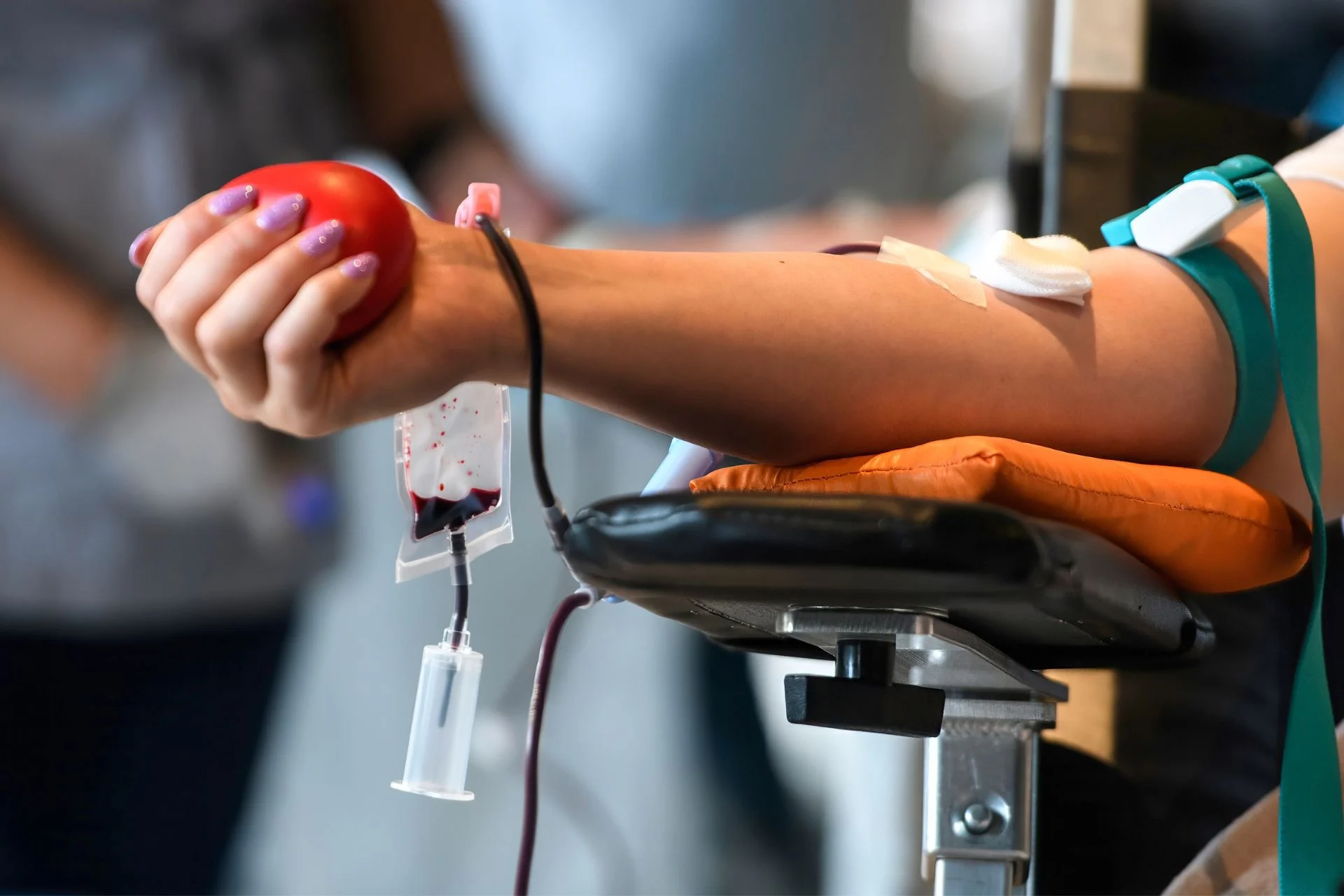
Somewhere in America right now, a surgeon is opening a cooler that should be full and finding it isn't. A trauma team is radioing ahead to the ER, asking what's actually on the shelf before they commit to a transfusion plan. A mother in labor with unexpected bleeding, a teenager pulled from a car wreck, a cancer patient mid-chemo, a child with sickle cell disease in crisis — all of them, this week, are depending on a national blood supply that has fallen to levels the American Red Cross has only seen once before in its history.
On August 2, 2026, the Red Cross made it official: the United States is in a national blood supply crisis — just the second time the organization has ever declared one. The trigger was stark and specific. Type O positive blood, the most commonly transfused blood type and the one hospitals reach for first in emergencies when there's no time to determine a patient's exact blood type, has dropped to less than a single day's supply nationwide. The Red Cross, which supplies roughly 40% of the nation's blood and blood products, has already begun limiting how much type O product it can send to hospitals — a rationing measure no one wanted to have to take.
A 25% Free-Fall, And A Summer That Won't Let Up
The numbers behind the crisis are brutal in their simplicity: blood donations have fallen to a four-year summer low, and total blood supply has dropped by 25% according to Red Cross figures. That's not a gentle dip — it's the kind of collapse that turns a manageable seasonal squeeze into a full-blown emergency.
Summer is always the hardest season for blood banks. School blood drives — historically some of the most reliable, high-volume donation events — go dark the moment students leave for vacation. Regular donors travel, get busy, or simply forget. But this year, officials say, several factors converged to make the seasonal slump catastrophically worse: punishing extreme heat across much of the country that keeps would-be donors indoors and discourages travel to donation centers, poor air quality in numerous regions, and — perhaps counterintuitively — the very foodborne illness outbreaks sweeping the country this summer, which the Red Cross says have also contributed to lower donor turnout as sick or recently-sick Americans stay away from donation chairs.
Layer onto that a surge in summer trauma cases — car accidents, drownings, boating injuries, heat-related medical emergencies, and the routine grim arithmetic of holiday-weekend violence — and you get a supply-and-demand mismatch of the worst kind: blood usage climbing right as the donor pool shrinks.
"America's blood supply is alarmingly low, and patient care is at risk," the Red Cross warned bluntly in its late-July advisory, a message the organization has repeated with growing urgency as August began.
What "Crisis" Actually Means At Your Local Hospital
To be clear about what a blood shortage does and doesn't mean: hospitals are not simply turning away patients or halting transfusions altogether. What it does mean, according to blood-bank and trauma specialists, is that hospitals are being forced into much more careful — and sometimes agonizing — triage over how limited units get allocated. Elective surgeries that would normally proceed without a second thought can be delayed if a hospital's blood bank doesn't have a comfortable safety margin. Trauma centers have to think several steps ahead about what happens if a second or third major trauma case rolls in on the same night as the first. Patients with chronic transfusion needs, like those living with sickle cell disease who may require regular transfusions to manage their condition, can face delays or substitutions that complicate their care.
The American College of Surgeons put it plainly in its early-August brief to members: the blood supply crisis could impact surgery nationwide, warning surgical teams to prepare for the operational reality of a supply chain running on fumes.
Type O positive's role makes this shortage especially dangerous. Because it can be given to the vast majority of patients in an emergency before their exact blood type is confirmed — critical in trauma bays where seconds matter — it's the backbone of virtually every hospital's emergency transfusion protocol. When type O positive dips below a one-day supply, it's not a paperwork problem; it's the blood equivalent of a fire department running low on water mid-fire-season.
The Second Time In History
Part of what makes this moment so alarming to blood-bank professionals is the rarity of the declaration itself. This marks only the second time in the American Red Cross's history that it has declared a full national blood supply crisis — a designation reserved for situations judged severe enough to warrant an emergency, all-hands public appeal rather than the organization's more routine, localized calls for specific blood types.
That rarity is precisely the point the Red Cross is trying to drive home: this isn't the normal late-summer dip that blood-bank professionals quietly manage behind the scenes every year. It's a supply collapse serious enough, and broad enough, that the organization felt compelled to sound a nationwide alarm and ask ordinary Americans, directly and urgently, to do something about it in the next several weeks — not next month, not "when things calm down."
Expert Perspective
Blood-bank leaders and trauma physicians have been unusually blunt in their public messaging this week, a departure from the typically measured tone of donation appeals. Officials at the Red Cross have stressed that the math to fix this crisis is not actually as daunting as the headlines suggest: internal projections shared by the organization indicate that just three additional donors showing up at each blood drive held this summer would be enough to stabilize the national supply and end the emergency designation. That's a strikingly small ask set against a strikingly large consequence — a reminder that blood shortages, unlike many public health crises, have a direct, immediate, and low-tech fix sitting in millions of Americans' own veins.
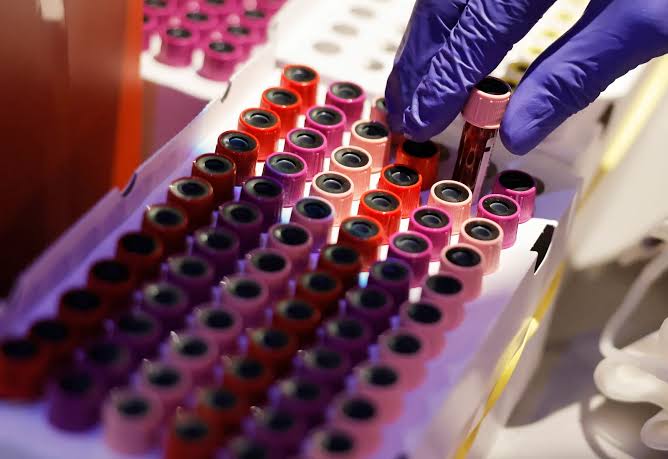
Surgeons and emergency physicians, meanwhile, have used the moment to reinforce a point they raise every few years but that tends to fade from public memory fast: blood cannot be manufactured, stockpiled indefinitely, or synthesized at scale. Red blood cells have a shelf life of only about 42 days, and platelets last just five. That means a healthy blood supply isn't something a hospital system can bank once and forget — it requires a constant, reliable stream of new donations, week after week, indefinitely. A crisis like this one exposes just how thin that margin really is.
What This Means For You
If you are healthy, generally eligible to donate (most healthy adults over 16 or 17, depending on state law, and weighing at least 110 pounds, qualify), and haven't given blood in the past eight weeks, blood-bank officials say there has rarely been a more consequential moment to do so. Type O donors — both O positive and O negative, the latter being the universal donor type usable for any patient in an emergency — are in the most acute demand right now, but the Red Cross is emphasizing that all blood types are needed to rebuild a supply chain that's been depleted across the board, not just in one category.
As an incentive, and a nod to just how urgently it wants to move the needle, the Red Cross is offering anyone who donates between August 1 and August 31, 2026, a $20 Amazon gift card by email — a small thank-you attached to what officials describe as, quite literally, a life-saving act.
Beyond donating yourself, experts note there are other ways to help: hosting or organizing a blood drive at a workplace, church, school, or community group; encouraging friends and family members, especially those who've never donated before, to make an appointment; and simply spreading accurate information about the shortage, since public awareness has historically been one of the biggest levers in reversing these seasonal crises quickly.
If you or a loved one is scheduled for elective surgery or manages a chronic condition requiring regular transfusions, it's worth having a direct conversation with your care team now about how the current shortage might affect scheduling or blood product availability, rather than being caught off guard.
The Bottom Line
For the second time in its history, the American Red Cross has looked at the nation's blood supply and concluded the situation is dire enough to demand an emergency, all-hands public appeal. Type O positive blood — the type doctors reach for first when a life is on the line and there's no time to ask questions — has fallen below a single day's national supply, and hospitals across the country are already managing around the shortfall. The fix, unusually for a public health emergency, doesn't require a new drug, a vaccine, or a policy overhaul. It requires people showing up. Red Cross officials say the crisis can be resolved with just a handful of additional donors at each blood drive this summer — a low bar that stands between the current emergency and a return to a stable supply. Whether that bar gets cleared depends on how many Americans read a headline like this one and decide to actually go roll up their sleeve.
Published By | Features Editor