Written By | Agencies
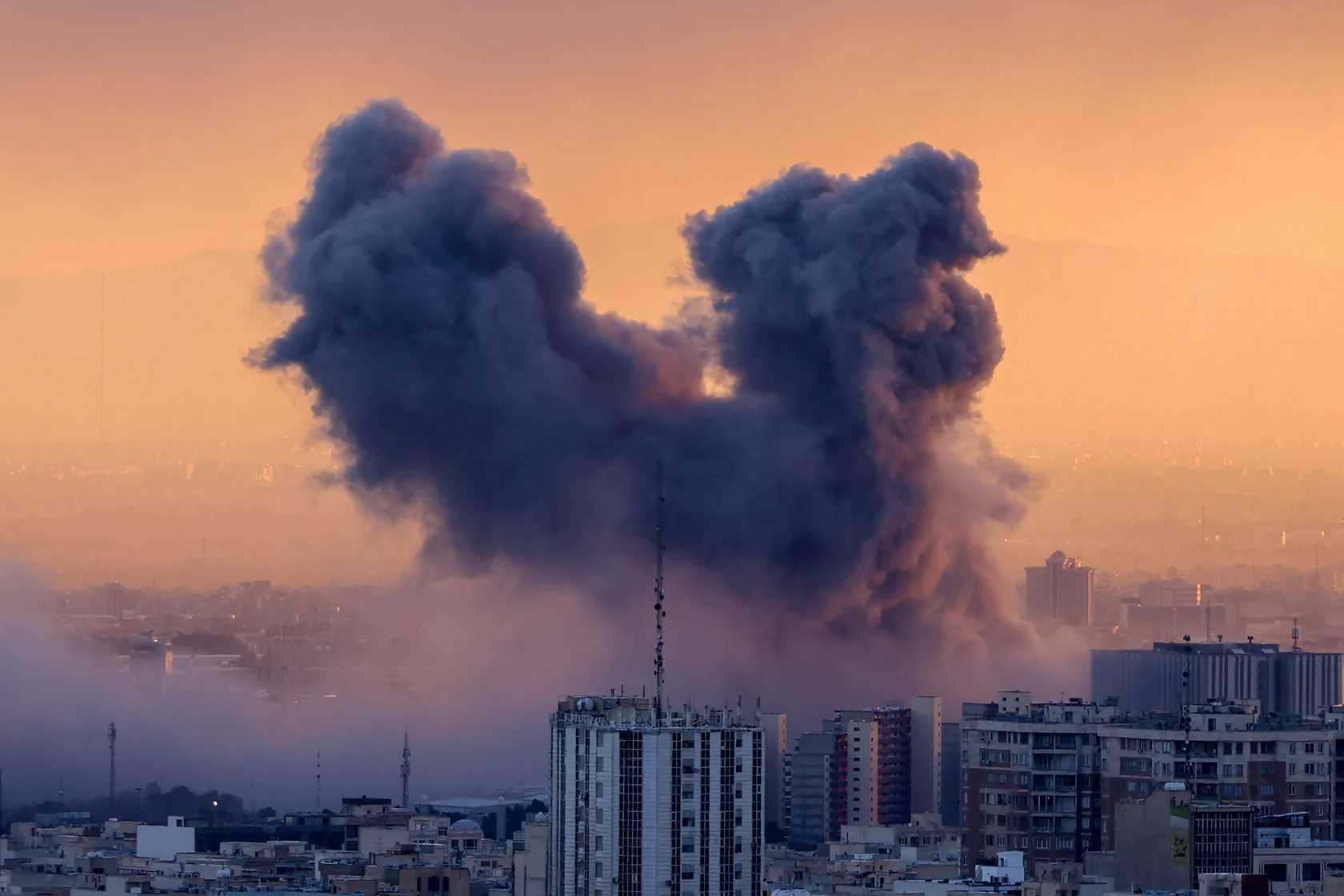
The development comes as the United States and Israel continue heavy bombardments across Iran,
Iran’s military and political leaders have reportedly pledged allegiance to Mojtaba Khamenei, who has been named to succeed his father, Ali Khamenei, as Iran’s new Supreme Leader following reports that he was killed amid the escalating conflict.
The development comes as the United States and Israel continue heavy bombardments across Iran, with explosions reported in the cities of Qom and Tehran. The attacks followed earlier Israeli strikes on oil facilities that triggered thick toxic smoke over the Iranian capital.
Iran’s Foreign Ministry spokesperson Esmaeil Baghaei accused Washington and its allies of attempting to divide the country and seize its natural resources.
“The attacks are aimed at partitioning our country to take illegal possession of our oil riches,” Baghaei said.
Oil Prices Surge Amid Escalating War
Global oil prices have surged by more than 25 percent, reaching their highest levels since mid-2022, as the expanding war fuels fears of prolonged supply disruptions.
Market anxiety has intensified after several major producers reportedly reduced output, while shipping routes through the strategic Strait of Hormuz face growing security risks.
US Confirms Eighth Soldier Killed
Meanwhile, the United States has confirmed the death of an eighth soldier in the conflict. The announcement came a day after US President Donald Trump attended a ceremony honouring American troops who have died during the war.
Lebanon Death Toll Rises
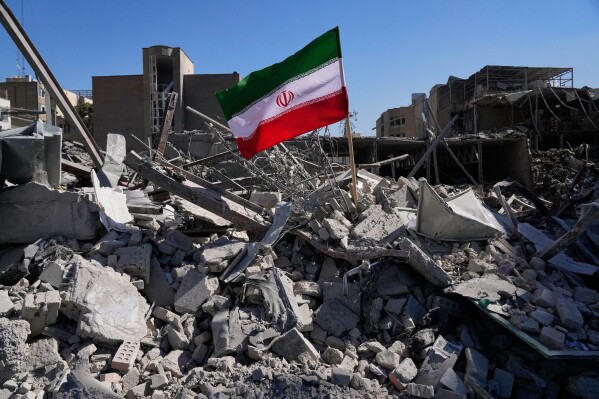
Elsewhere in the region, the death toll in Lebanon continues to rise as Israeli attacks intensify.
According to Lebanon’s Health Ministry, at least 486 people have been killed and 1,313 wounded since Israeli strikes began on March 2.
Reports indicate that an Israeli drone targeted a vehicle in the town of Burj Rahal, while another airstrike struck Srifa.
Russia Signals Opportunity in Energy Markets
Russian President Vladimir Putin said Russian energy companies should “take advantage” of the current situation, noting that the conflict has triggered a global energy crisis.
Speaking after a meeting at the Kremlin, Putin warned that oil production dependent on transport through the Strait of Hormuz could soon come to a halt. However, he said Moscow remains ready to supply energy resources to “reliable partners,” including potential European buyers seeking long-term agreements.
Russia is currently the world’s second-largest oil exporter and holds the largest natural gas reserves globally.
Gulf Economies Remain Resilient
Banking giant HSBC has expressed confidence in the economic prospects of Gulf countries despite the war.
In a statement, HSBC CEO Georges Elhedery said the bank remains optimistic about the long-term resilience of the Gulf Cooperation Council (GCC).
However, Iranian strikes across the region – including in Bahrain, Kuwait, Saudi Arabia, Qatar, Oman and the United Arab Emirates – have disrupted oil and gas exports, contributing to rising global prices.
Türkiye on High Alert
In Türkiye, President Recep Tayyip Erdogan said authorities are closely monitoring the crisis and have placed the country on high alert.
“We have been on high alert with all our units since February 28. We have mobilised all institutions of our state,” Erdogan said after a cabinet meeting in Ankara.
“Our primary goal is to keep our country away from this fire,” he added.
Earlier, NATO air defence systems reportedly intercepted a ballistic missile launched from Iran towards Türkiye, raising fears of a wider regional escalation.
Kuwait Warns of Regional Escalation
The Emir of Kuwait, Sheikh Meshal Al-Ahmad Al-Jaber Al-Sabah, warned of an “unprecedented escalation” in the region after the country said it was attacked by a neighbouring state.
He said Kuwait reserves the right to self-defence under Article 51 of the United Nations Charter, emphasising that any response would be proportionate.
Israel Imposes Media Restrictions
Meanwhile, reports indicate that Israeli authorities have imposed strict media restrictions on coverage of missile strikes inside Israel.
According to journalists on the ground, military censors have restricted reporting on the locations and scale of Iranian missile attacks and have reportedly detained journalists accused of disclosing sensitive information.
Two people were reported killed earlier near Ben Gurion Airport outside Tel Aviv following missile strikes.
Eyewitnesses also reported that some Iranian missiles carry cluster warheads, which fragment on impact and scatter explosive submunitions over a wide area, complicating rescue and clearance operations.
Israeli Strikes Hit Southern Lebanon
Israeli air raids have also targeted several locations in southern Lebanon, including Arab Salim, Barghaz, and Majdal Selm, according to regional media reports.
Projectiles were also launched from southern Lebanon towards Israel, raising concerns that the conflict could further expand across the Middle East.



