Written By | Health News Agencies
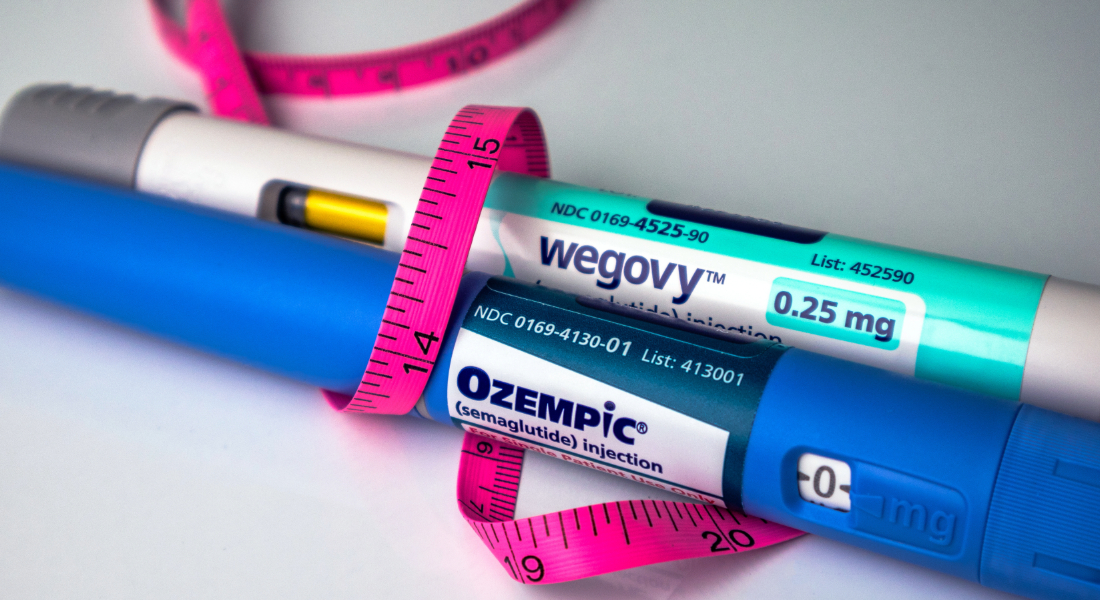
Scientists gave semaglutide to adults with HIV for 32 weeks and measured something nobody expected to move: their biological age.
SAN DIEGO, California
For four years, semaglutide has been famous for one thing: making people thinner, fast, with a weekly injection pen that turned Ozempic and Wegovy into household names and sparked a supply shortage that rippled from Beverly Hills medi-spas to rural pharmacies. But a study published this month out of the University of California San Diego suggests the drug's most important trick might have nothing to do with the scale at all — it might be slowing down the biological aging process itself, at the level of your DNA.
The findings, drawn from a randomized, double-blind, placebo-controlled clinical trial and published as a post-hoc epigenetic analysis, mark what researchers describe as the first randomized, placebo-controlled evidence in humans that semaglutide can slow the accumulation of DNA markers linked to biological age. Not chronological age — the number on your driver's license — but biological age, the more sinister measurement of how worn-down your cells, organs, and tissues actually are, regardless of your birth year.
"Emerging data also suggest that GLP-1 drugs may reprogram certain cells in different organs, which could help explain why we see effects across multiple aging clocks," said Dr. Michael Corley, the study's lead author and an associate professor at UC San Diego School of Medicine.
INSIDE THE TRIAL
The research grew out of a 32-week Phase 2b clinical trial originally designed to test semaglutide in adults living with HIV who had developed lipohypertrophy — an abnormal, often disfiguring buildup of fat, frequently in the abdomen, that's a common complication of long-term antiretroviral therapy. Eighty-four participants were split into two groups: 45 received weekly semaglutide injections, while 39 received a placebo.
The original trial was measuring fat loss and metabolic markers. But Corley's team went back to the blood samples and ran something far more ambitious: an epigenetic analysis using DunedinPACE, one of the most respected "epigenetic clocks" in aging science. Unlike a birthday, which just counts years, DunedinPACE measures the pace at which a person is biologically aging by analyzing chemical modifications to DNA — essentially clocking how fast your cells are wearing out in real time.
After adjusting for sex, body mass index, and two inflammation markers (hsCRP and sCD163), the results were striking: participants on semaglutide showed a statistically significant 0.09-unit reduction on the DunedinPACE scale — translating to roughly a 9 percent slower pace of biological aging compared to the placebo group. The finding held up with a p-value of 0.01, comfortably clearing the threshold scientists use to distinguish a real effect from statistical noise.
Even more intriguing to researchers: the improvements weren't confined to one organ system. The aging-related benefits turned up across markers tied to blood, brain, heart, liver, kidney, and metabolic health — suggesting, in Corley's words, "potentially broad systemic effects" rather than a narrow, single-organ fix.
A separate strand of the same research effort found that over a 24-week window, semaglutide reduced the rate of biological aging in 42 percent of a subset of participants who also had HIV and metabolic dysfunction-associated steatotic liver disease — a fatty liver condition increasingly common among people with HIV on long-term treatment, and, not coincidentally, also common in the general population thanks to rising obesity rates.
WHY HIV PATIENTS FIRST
It might seem like an odd population to study anti-aging effects in, but researchers say people with HIV are, in a strange way, an ideal window into premature aging. Chronic HIV infection, even when well-controlled by modern antiretroviral therapy, drives persistent low-grade inflammation throughout the body — a state scientists call "inflammaging." Over decades, this chronic inflammatory burden accelerates the same cellular wear-and-tear processes associated with old age, meaning many people with well-managed HIV in their 40s and 50s show biological aging markers more typical of people a decade or two older.
That makes the HIV population, in effect, a fast-forward preview of aging processes that eventually catch up with everyone — which is exactly why Corley's team believes their findings could ripple far beyond the HIV community. "Many of the biological processes we study in HIV are also central to aging in the general population," the research team noted, a comment that has sent ripples through the broader anti-aging and longevity research world, where semaglutide was already being informally used off-label by biohackers and wellness clinics chasing longevity gains without much hard data to justify it.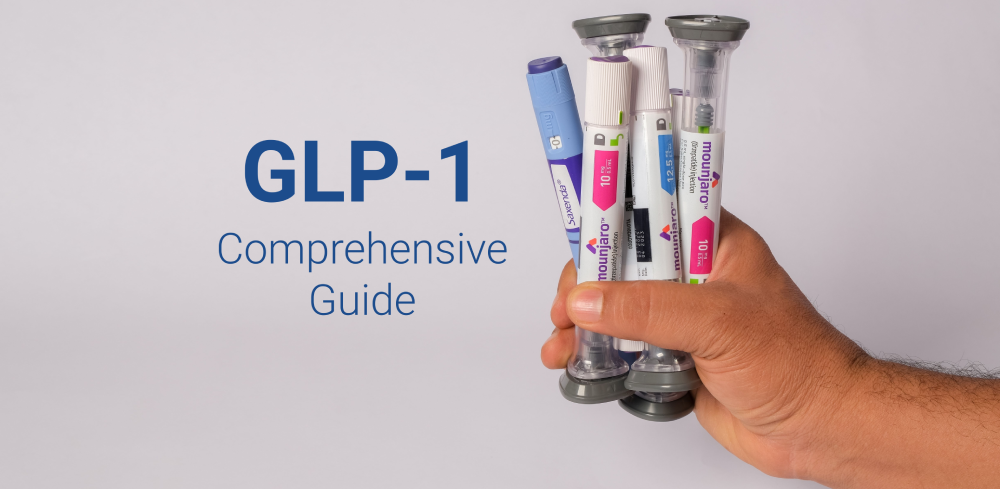
THE SCIENCE BEHIND THE SLOWDOWN
Researchers have a working theory for why a drug developed to manage blood sugar and appetite would show up on an epigenetic aging clock at all. GLP-1 receptor agonists like semaglutide reduce chronic inflammation and improve metabolic health broadly, which in turn dials down chronic immune activation — the same inflammaging process implicated in accelerated biological aging. The drugs are also known to reduce visceral and ectopic fat, the dangerous, metabolically active fat that wraps around internal organs and pumps out inflammatory signals that quietly damage tissue throughout the body over years.
Strip away that chronic low-grade inflammatory assault, the theory goes, and the body's cells simply have an easier time maintaining themselves — showing up, years later, as a measurably slower pace on an epigenetic clock.
THE CAUTION FLAGS
Every scientist involved in or reacting to this research has been quick to slam the brakes on the inevitable headlines that write themselves: "Ozempic is the fountain of youth." It is not, and researchers are unusually blunt about saying so. "Semaglutide is not an anti-aging drug," multiple members of the research team have stressed, cautioning that the findings do not mean the drug reverses aging — only that it may influence some of the biological pathways involved in age-related disease.
The trial itself carries real limitations. It was relatively small — 84 total participants — and specifically enrolled adults with HIV-associated lipohypertrophy, a population that doesn't necessarily generalize cleanly to the broader public. Fewer than 3 percent of participants were over age 75, meaning the study says essentially nothing about how the drug behaves in the elderly population that stands to benefit most from anti-aging interventions. And notably, older participants in the trial discontinued treatment due to gastrointestinal side effects — nausea, vomiting, and digestive discomfort that are already well-documented complaints among semaglutide users generally — at a higher rate than younger participants, raising real questions about tolerability in exactly the demographic most curious about anti-aging applications.
Medical groups like the Association of American Medical Colleges have also raised broader caution flags about GLP-1 drug safety in older adults specifically, independent of this new aging research, citing concerns about muscle loss, nutritional deficiencies, and interactions with other medications common in aging patients.
THE EXPERT PERSPECTIVE
Longevity researchers outside the study have described the findings as an important, hypothesis-generating first step rather than a green light for widespread off-label anti-aging use. The strength of the study — its randomized, placebo-controlled design — is unusual and valuable in a research space often cluttered with observational studies and biohacker anecdotes that can't establish real cause and effect. But the same researchers note that epigenetic clocks like DunedinPACE, while scientifically respected, are still surrogate markers — statistical proxies for aging, not the aging process itself, and not yet proven to predict which patients will actually live longer, healthier lives as a result of a 9 percent slower reading.
What excites researchers most isn't necessarily the specific 9 percent number, but the mechanism it points toward: that a drug already prescribed to millions of Americans for diabetes and obesity might be doing double duty on inflammatory pathways central to aging itself, opening an entirely new research avenue for how metabolic drugs could be repurposed — or specifically redesigned — as longevity interventions.
WHAT THIS MEANS FOR YOU
If you're one of the millions of Americans currently taking semaglutide for weight loss or diabetes management, this study is not a reason to expect you're now biologically younger — the research doesn't support that leap, and doctors are explicitly warning against reading it that way. It is, however, a genuinely exciting data point in a much longer research process, one that adds semaglutide to a small but growing list of existing drugs — alongside older interventions like metformin — being seriously studied for anti-aging potential rather than just their original approved use.
For people with HIV specifically, the findings offer a hopeful secondary benefit to a drug already increasingly used to manage the metabolic complications of long-term antiretroviral therapy, suggesting it may be doing more good beneath the surface than doctors realized.
For everyone else, the honest takeaway is patience. Larger, longer trials — specifically designed to study aging as a primary outcome rather than a side finding, and including a broader range of ages beyond the study's overwhelmingly under-75 population — will be needed before any doctor should responsibly prescribe semaglutide purely as an anti-aging drug. Until then, the safest reason to take it remains the one it was actually approved for: managing weight and metabolic disease under a doctor's supervision, not chasing a slower clock.
THE BOTTOM LINE
Science has been chasing a way to measurably slow human aging for decades, mostly without much to show for it beyond promising mouse studies and speculative supplements. This trial, small and specific as it is, represents something rarer: a randomized, placebo-controlled human study showing a drug millions of people already take moved a real, validated biological aging marker in a meaningful direction. It's not proof that Ozempic makes you younger. But it is proof that the conversation about what this drug can do for the human body is far from over — and that the next few years of research on GLP-1 drugs and aging are going to be closely watched by scientists, doctors, and the millions of patients already taking them for entirely different reasons.



