Written By | International News Desk
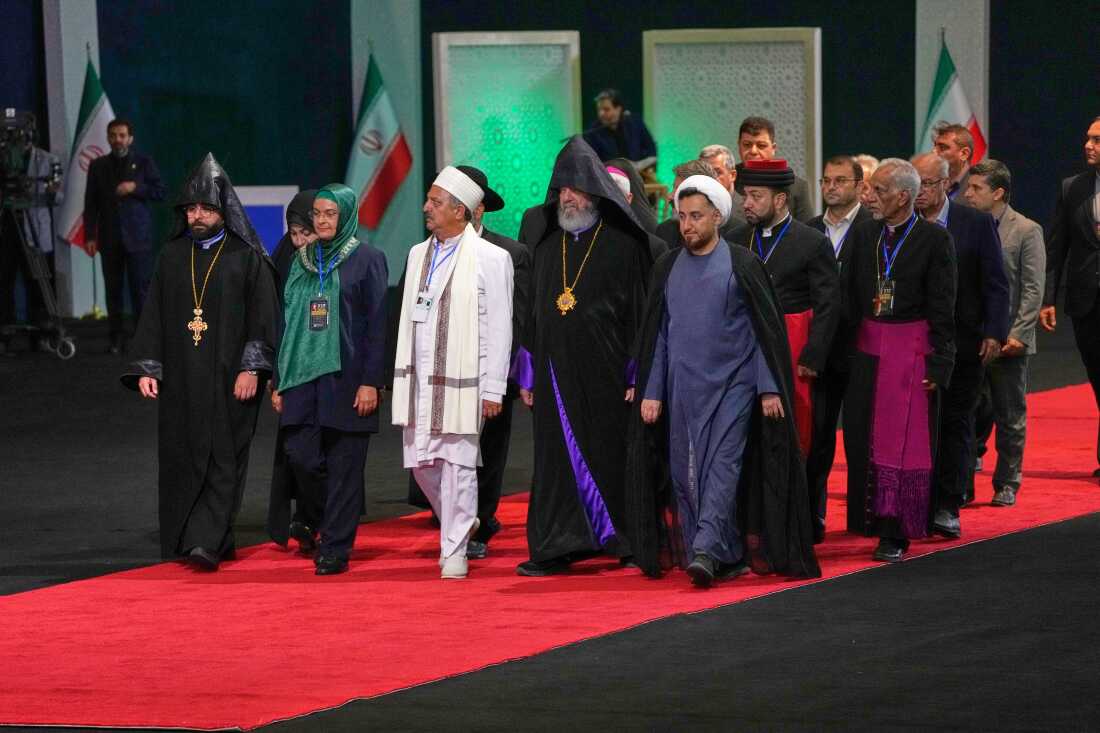
The funeral is arguably the most consequential political event in Iran since the death of Ayatollah Ruhollah Khomeini in 1989.
World Politics
Iran on Friday began a dayslong state funeral for Ayatollah Ali Khamenei, the supreme leader who ruled the Islamic Republic for nearly four decades before he was killed in a joint US-Israeli air campaign in late February. The ceremonies—expected to draw millions across Iran and into Iraq before concluding on July 9—are at once an act of mourning, a choreographed display of regime endurance, and a moment of diplomatic delicacy: Washington and Tehran have agreed to pause their indirect negotiations for roughly a week.
The funeral is arguably the most consequential political event in Iran since the death of Ayatollah Ruhollah Khomeini in 1989. It comes as the country still absorbs the shock of a war that decapitated its leadership, damaged its military infrastructure, and set in motion a contested succession that installed Khamenei's son, Mojtaba, as the new supreme leader.
Background: A War That Reached the Very Top
Khamenei, 86, was assassinated in Tehran on February 28, 2026, in a wave of Israeli airstrikes targeting Iran's most senior officials. The operation was conceived as part of a broader joint US-Israeli campaign, with the CIA providing intelligence that pinpointed a meeting attended by Khamenei and much of Iran's senior military command.
The war followed a lethal January 2026 crackdown on nationwide protests that, according to accounts, killed thousands of civilians. President Donald Trump responded with the largest American military buildup in the region since 2003, citing Iran's nuclear ambitions and regime change as rationales. The strikes killed not only Khamenei but a swath of the military elite, while reportedly wounding Mojtaba Khamenei himself.
A ceasefire eventually took hold, and since spring the two sides have engaged in indirect negotiations, mediated by Qatar and Pakistan, over a memorandum covering security in the Strait of Hormuz, sanctions, and eventually the nuclear file.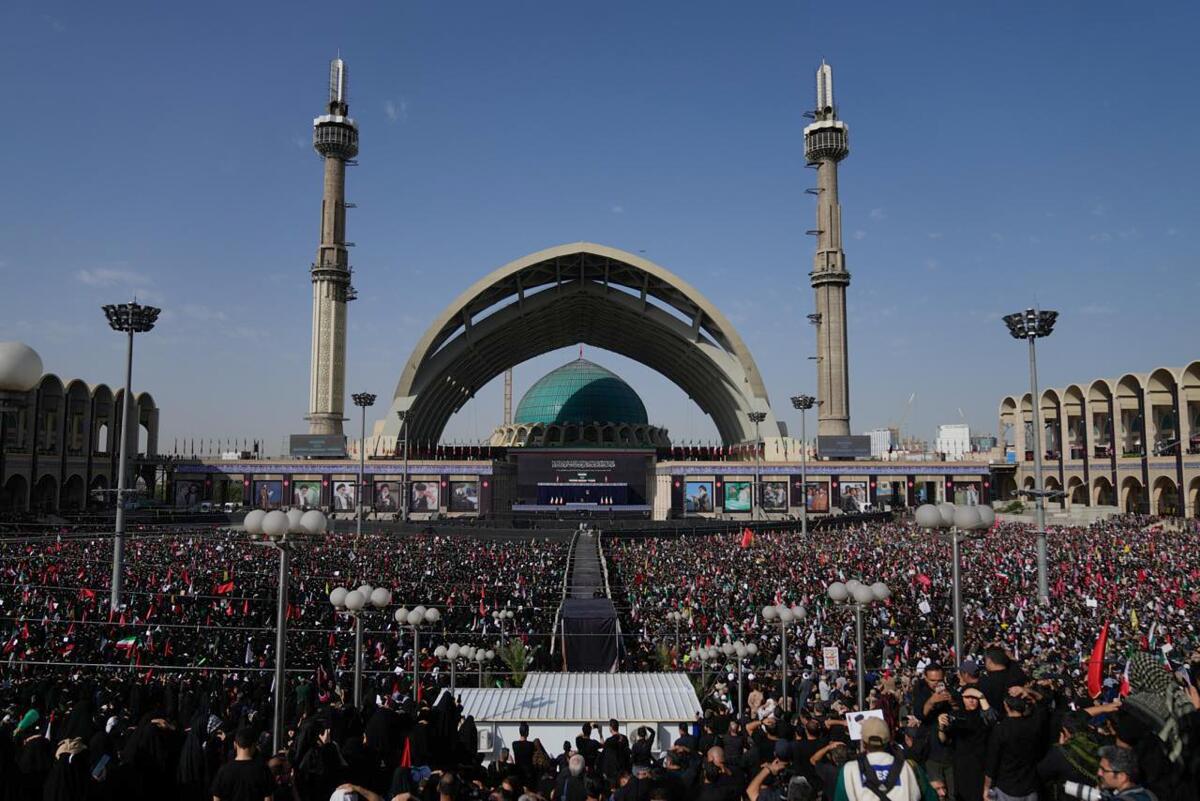
A Contested Succession
Within days of the assassination, Iran's Assembly of Experts moved with unusual speed. Mojtaba Khamenei was elected in early March after Revolutionary Guard commanders applied pressure on assembly members, pushing for a rapid decision amid internal dissent over hereditary rule. The choice is freighted with irony: the elder Khamenei had been deeply opposed to his son succeeding him, fearing it would give the Islamic Republic the look of a monarchy. The new supreme leader has not appeared in any verified image since being wounded, fueling speculation about his health and the true balance of power in Tehran.
Key Developments: The Funeral Itself
The commemorations began July 3. A public farewell ceremony opened in Tehran on July 4, with funeral prayers scheduled for July 5 and the main procession on July 6. The rites then move to Qom on July 7, before the body is transported to Najaf in Iraq on July 8. Burial is planned for July 9 at the Imam Reza shrine in Mashhad, Khamenei's birthplace.
Enormous crowds turned out in Tehran, with mourners chanting "Death to America, Death to Israel" and calls for revenge. Iran's most senior surviving officials are in attendance, alongside foreign dignitaries from China, India, and Pakistan. Tehran has publicly warned the US and Israel against carrying out any strikes during the funeral period.
The Diplomatic Pause
The funeral has imposed a formal intermission on closely watched negotiations. Qatari and Pakistani mediators said new meetings would be scheduled once commemorations conclude. The pause follows apparent momentum: Qatar reported "positive progress" in Doha, and Vice President JD Vance said talks were "going well." Trump struck an optimistic tone, telling reporters Iran agreed to "just about everything we need." Analysts are more cautious—recent rounds appear to have concentrated on the Strait of Hormuz, while the hardest questions on Iran's nuclear program may not yet be addressed in depth.
The transfer of Khamenei's body to Najaf requires coordination with Iraq and, implicitly, with American forces still in the region, making that leg a de facto test of the ceasefire's durability. The route through Qom, Najaf, and Mashhad ties the funeral to Shia religious geography at a moment when the clerical establishment's standing is contested.
Reactions and What's Next
President Pezeshkian's government must manage a combustible mix: a population that endured both a lethal crackdown and a foreign war, hardliners demanding vengeance, and an economy desperate for sanctions relief. The funeral crowds chanting for revenge narrow the leadership's room for public concessions.
For Iran's new leadership, the funeral projects continuity and defiance simultaneously. For the region, the week is a test of restraint—any incident could unravel months of mediation. The presence of Chinese, Indian, and Pakistani officials signals Tehran retains diplomatic options beyond the West.
The questions after July 9 are already visible: Can Mojtaba Khamenei consolidate authority over a system where the Revolutionary Guard has become kingmaker? Will resumed talks move from maritime arrangements to the nuclear core? Can a settlement survive the domestic politics of revenge now on display in Tehran's streets? The answers will shape the Middle East for years. For now, the guns are quiet, the negotiators are waiting, and Iran is burying its leader.



