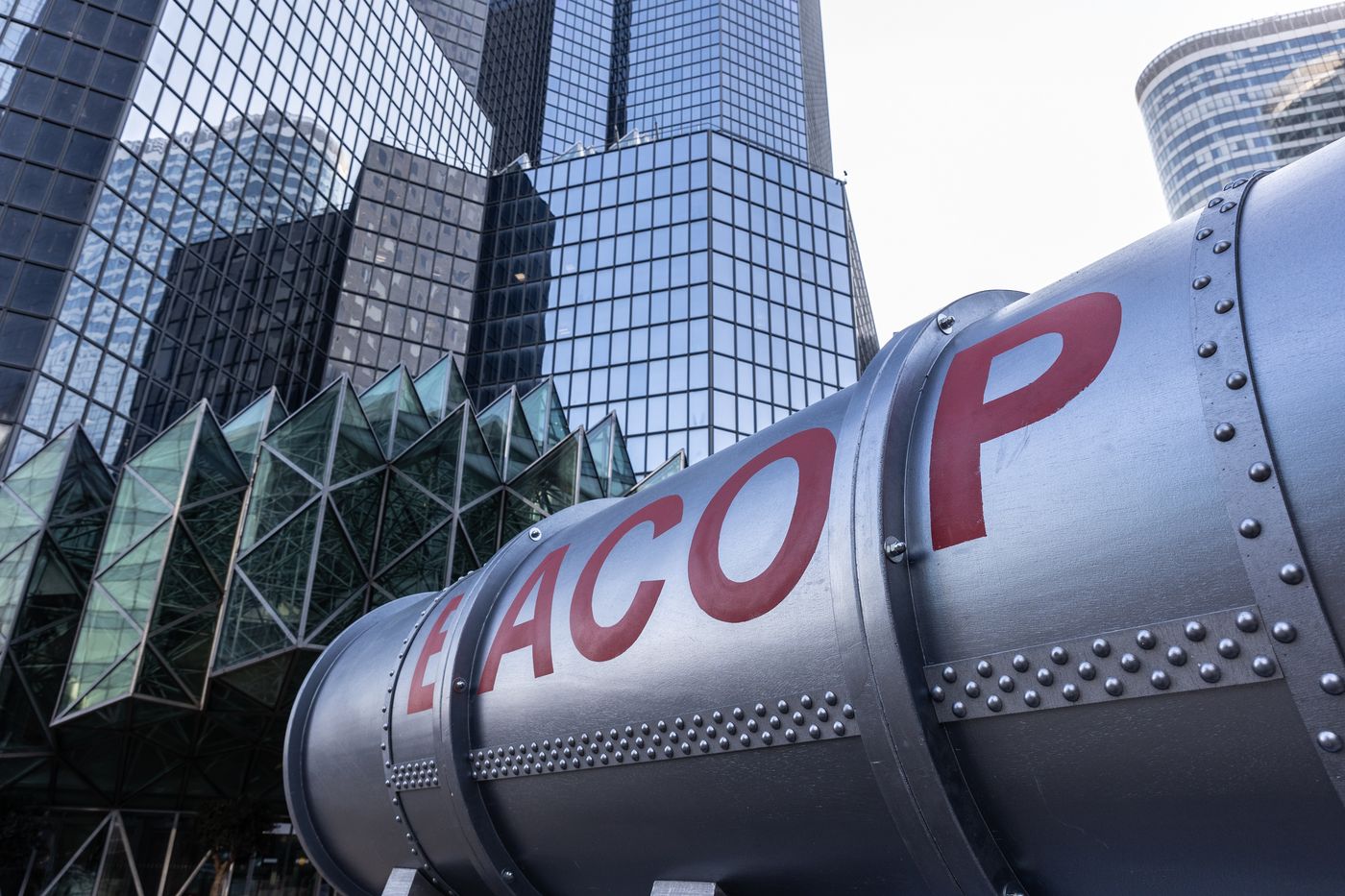
Uganda's decades-long pursuit of oil wealth has entered its final, most consequential stretch. The 1,443-kilometre East African Crude Oil Pipeline (EACOP), which will carry Uganda's waxy Lake Albert crude to the Indian Ocean for the first time, has reached 92 percent completion, according to project updates this month, keeping the country on track for a first export target of October 30, 2026. If that date holds, it will mark the culmination of a project first conceived when commercial oil deposits were discovered in Uganda's Albertine Graben back in 2006 — nearly two decades of exploration, negotiation, environmental litigation and infrastructure building compressed into what officials now describe as a matter of weeks.
The pipeline itself runs from Kabaale in Uganda's Hoima district, near the shores of Lake Albert, through Tanzania to the Chongoleani Marine Storage Terminal near the port of Tanga on the Indian Ocean coast. Of its total length, 296 kilometres lie within Uganda and 1,147 kilometres within Tanzania, making EACOP one of the largest cross-border infrastructure undertakings in East Africa's history and, once operational, the longest heated crude oil pipeline in the world — a design necessity given the waxy consistency of Lake Albert crude, which must be kept warm to remain viscous enough to flow. The most recent completion assessment was taken at Pump Station One in Hoima, the point where crude from the upstream fields will enter the pipeline system before its roughly two-week journey to the coast.
Upstream, the oil itself will come from two major developments. TotalEnergies, the French energy major, holds a 57 percent interest in and operates the Tilenga project, designed to produce up to 190,000 barrels per day from six fields around Lake Albert. China's CNOOC holds a 28 percent stake and operates the smaller Kingfisher project, expected to contribute a further 40,000 barrels daily. Uganda's state-owned National Oil Company (UNOC) holds the remaining 15 percent across both ventures. Combined, the two fields are designed to reach a peak national output of roughly 230,000 barrels a day, a volume that would place Uganda among the more significant oil producers in Sub-Saharan Africa, alongside longer-established producers such as Nigeria and Angola, even as its output remains a fraction of theirs. Production from the Lake Albert fields themselves reportedly began moving toward first output at the end of July, ahead of the pipeline's own completion, allowing for the sequencing needed to hit an October export date.
The project has not been without controversy or delay. Uganda's first-oil target has slipped multiple times over the past several years amid financing negotiations, environmental and resettlement disputes, and — more recently — organized international campaigns urging banks and insurers to withdraw support from EACOP over concerns about its climate impact and its route through sensitive habitats and communities in both Uganda and Tanzania. Government and industry officials have consistently pushed back on those campaigns, arguing that the project meets international environmental standards and that oil revenue is essential to Uganda's development trajectory. Local reporting this month has also noted a governance concern rather than an environmental one: Uganda's Financial Intelligence Authority has flagged the rapid economic transformation underway in the Bunyoro sub-region, where the oil fields are located, as creating fresh opportunities for money laundering and the concealment of illicit funds — a reminder that resource-driven booms carry regulatory as well as engineering challenges.
The macroeconomic stakes of getting first oil right are considerable. Uganda's economy grew 6.4 percent in real terms in the 2025/26 financial year, itself an acceleration from 6.3 percent the year before, driven by stronger domestic demand and continued government investment programs. The Bank of Uganda and finance ministry are now projecting growth to jump to as much as 10.2 percent in the 2026/27 financial year, with oil production cited as the primary driver of that acceleration. Business sentiment has firmed alongside the macro picture: the Business Climate Index, a quarterly confidence gauge, rose 20.1 points to 124.9 in the April-to-June quarter, up sharply from 104.8 in the first quarter of the year, with transport, trade and hospitality firms reporting improved expectations as broader economic activity picked up. Uganda also posted a balance of payments surplus of $2.47 billion in the twelve months to March 2026, the largest in fifteen years, alongside record export volumes, contained inflation and a stable shilling — a combination officials have pointed to as evidence that investor confidence is building ahead of the oil milestone rather than merely in anticipation of it.
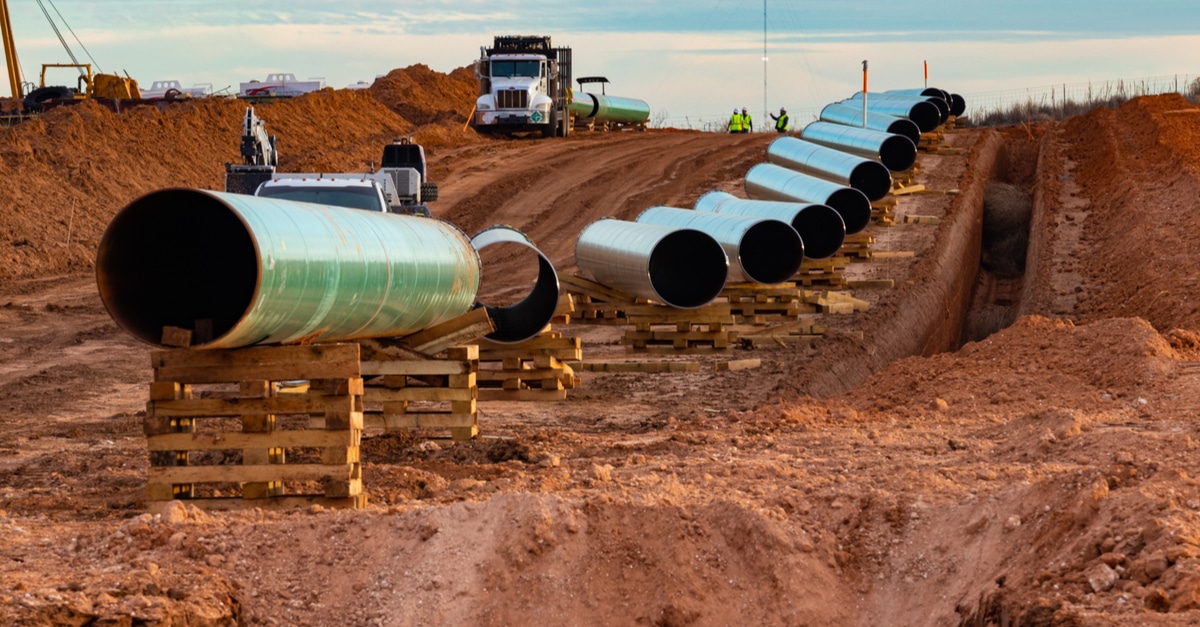
Beyond the macro figures, the EACOP project has become a significant direct employer. Construction has generated roughly 12,000 jobs to date, well above the original target of 7,500, a figure regularly cited by government officials as evidence of the project's broader economic multiplier effects beyond oil revenue itself. Museveni's government has framed first oil as validation of a development strategy that has prioritized attracting long-horizon foreign capital — chiefly from TotalEnergies and CNOOC — even in the face of sustained diplomatic and activist pressure from European governments and environmental groups.
Government revenue projections have long hinged on this moment. Uganda's Petroleum Fund, established to receive and manage oil revenues before they are channeled into the national budget, has existed on paper for years largely as a placeholder; officials now face the more immediate task of proving that the fiscal and legal architecture built around it — including revenue-sharing formulas with local governments in Hoima, Buliisa and the wider Albertine region — can actually absorb real cash flows rather than theoretical ones. Finance ministry officials have repeatedly cited Ghana and, more cautiously, Nigeria as reference points for both the opportunities and the governance pitfalls of a first-generation oil economy, and local commentators have pressed the government to publish clearer commitments on how early oil revenue will be allocated between debt service, infrastructure and direct development spending in the producing regions themselves.
The regional dimension of the project also bears watching. Tanzania's stake in EACOP's success is nearly as large as Uganda's: the pipeline will bring transit fees, construction-linked employment and long-term port revenue at Tanga, reinforcing a bilateral energy partnership that has occasionally been strained by disputes over cost-sharing and land compensation along the pipeline's Tanzanian route. Both governments have publicly reaffirmed the October target in recent weeks, and diplomatic engagement between Kampala and Dodoma over the pipeline has intensified as the date approaches, with joint technical committees reportedly meeting more frequently to resolve any remaining right-of-way and compensation claims from communities along the route.
What happens between now and the October 30 target will be closely watched both domestically and internationally. Any further slippage would not be unprecedented — the project's timeline has moved before — but a successful first export would represent a genuine inflection point for an economy that has spent nearly twenty years anticipating this moment. It would also test Uganda's institutional readiness on multiple fronts simultaneously: whether the National Oil Company and its partners can manage production and revenue flows transparently, whether the financial system can absorb sudden new capital inflows without the kind of illicit-finance risk regulators have already flagged in Bunyoro, and whether the broader growth acceleration officials are forecasting for the coming fiscal year actually materializes as oil revenue begins moving through the economy. For a country that has waited two decades for this moment, the next ten weeks will determine whether 2026 is remembered as the year Uganda finally became an oil-exporting nation.
Published By | Business News Editor