Written By |
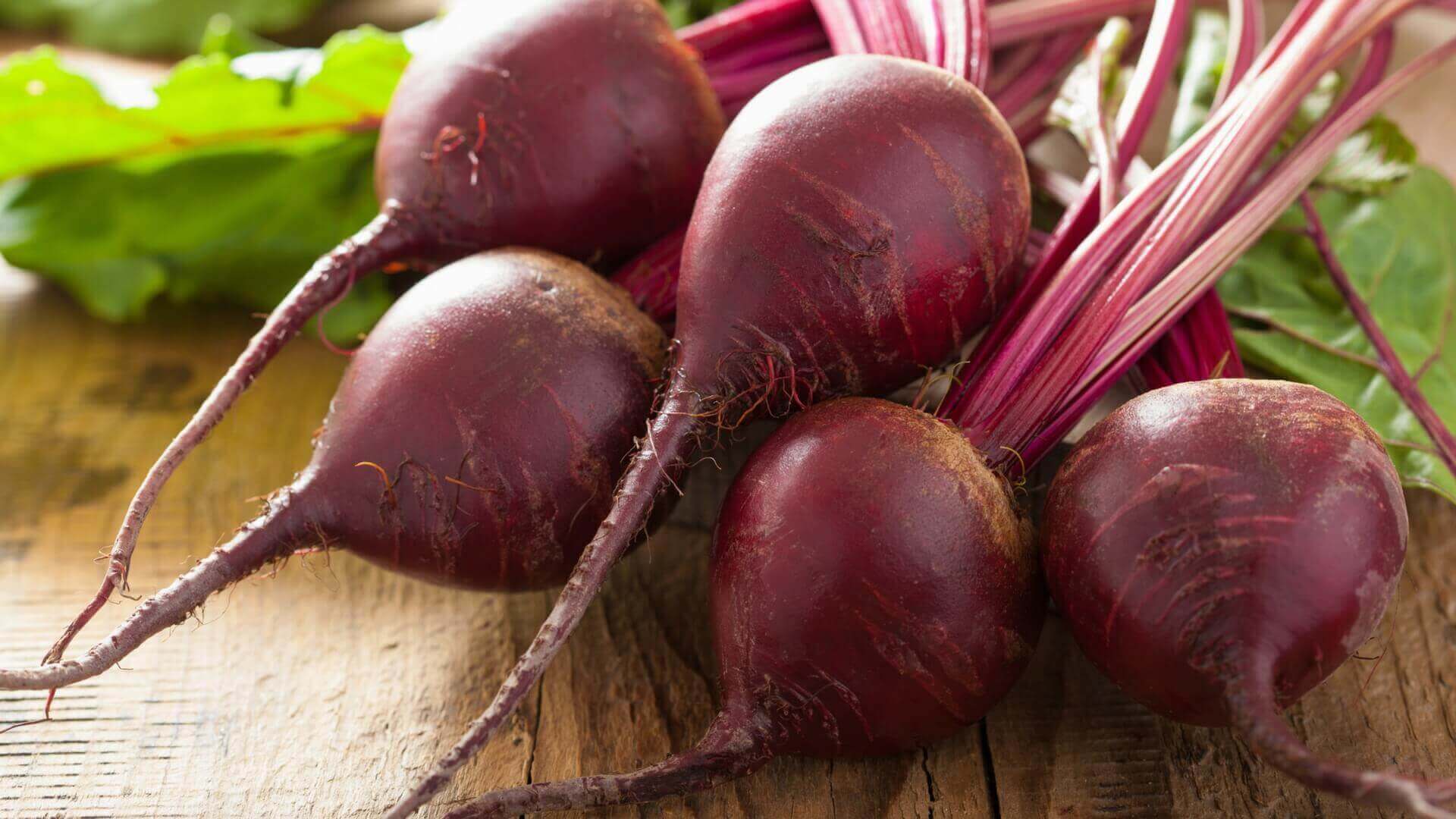
Beetroot has sparked debate among scientists due to its high levels of nitrates and nitrites—molecules composed of nitrogen and oxygen.
Beetroot is one of those vegetables that people either love or hate. Beetroot has sparked debate among scientists due to its high levels of nitrates and nitrites—molecules composed of nitrogen and oxygen. These compounds are also found in red meat and are often blamed for the negative health effects associated with processed meats like bacon and ham.
In processed meats, nitrates and nitrites can combine with other chemicals in the body to form N-nitroso compounds (NOCs), which are linked to an increased risk of cancer, particularly rectal tumors. However, in vegetables like beetroot, these compounds are converted into nitric oxide, a substance that dilates blood vessels, reducing the risk of high blood pressure and heart disease.
Beetroot’s high nitrate content may also enhance athletic performance. Research shows that consuming large amounts of nitrates can improve oxygen efficiency, allowing athletes to perform at higher levels with less oxygen. Andy Jones, Professor of Applied Physiology at the University of Exeter, found that beetroot's nitrates improve blood flow to the lungs and muscles, resulting in faster oxygen delivery and reduced fatigue.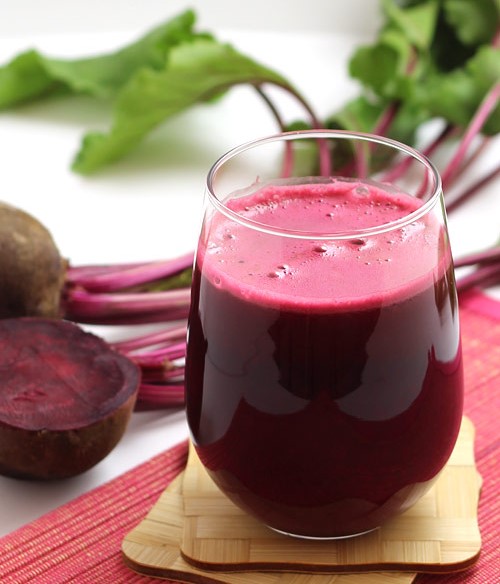
Eating beetroot raw has a stronger effect on lowering blood pressure compared to cooked or pickled
In a 2009 study, eight men aged 19 to 38 drank 500ml of organic beetroot juice daily for six days before completing cycling tests. They were able to cycle for an average of 11.25 minutes—92 seconds longer than when they were given a placebo drink. Notably, eating beetroot raw has a stronger effect on lowering blood pressure compared to cooked or pickled beetroot, as cooking reduces nitrate and antioxidant levels.
But beetroot’s benefits extend beyond its nitrate content. It is particularly high in folate (vitamin B9), with 100g of beetroot providing about half of your daily recommended intake. Folate plays a crucial role in red blood cell production, DNA synthesis, and repair, making it essential during periods of rapid growth, such as pregnancy and infancy. Adequate folate levels help prevent anemia and reduce the risk of neural tube defects in developing fetuses.
Moreover, beetroot contains natural pigments called betalains, which have powerful anti-inflammatory properties. Chronic inflammation is linked to various conditions, including obesity, heart disease, and liver disease. In a study conducted by Queen Mary University of London, researchers found that consuming nitrate-rich beetroot juice reduced inflammation and improved the function of the endothelium, the cell layer lining blood vessels.
In summary, raw beetroot is a powerhouse of nutrients that can boost your health in multiple ways. Whether you’re looking to improve your athletic performance, lower your blood pressure, or support overall well-being, incorporating raw beetroot into your diet is a smart choice.



