Written By | Health News Agencies
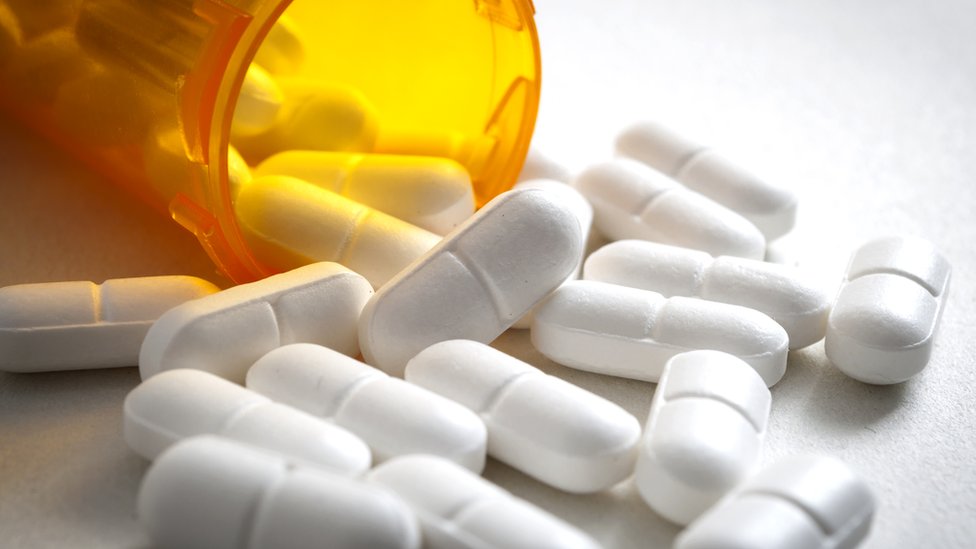
The review didn't find opioids useless across the board. With high certainty, oxycodone, morphine, tramadol and papaveretum reduced acute abdominal pain in the immediate term (around three hours).
SYDNEY
For generations, the logic seemed unshakable: serious pain needs a serious painkiller. Kidney stone, snapped wrist, wisdom tooth, C-section — reach for the opioids. Morphine, oxycodone, codeine. The strongest medicine for the strongest pain.
Now the largest review of its kind ever assembled is challenging that reflex head-on. The conclusion is unsettling: for many common, acute, short-term pains, opioids deliver only small, fleeting relief. And for a surprising number of conditions, they work no better than a dummy pill.
"We found opioids did not provide large or lasting pain relief compared with placebo for the vast majority of acute pain conditions," the researchers at the University of Sydney report in the journal Drugs.
The Biggest Map of Pain Ever Drawn
The Sydney team analyzed 59 systematic reviews covering more than 50 acute pain conditions in both children and adults, comparing opioids like codeine, morphine, oxycodone and tramadol against placebo.
"Acute" pain — the short-term kind after an injury, operation or sudden medical event — is precisely where opioids are most reflexively prescribed, which makes the results so consequential.
Where They Help — a Little, and Not for Long
The review didn't find opioids useless across the board. With high certainty, oxycodone, morphine, tramadol and papaveretum reduced acute abdominal pain in the immediate term (around three hours). With moderate certainty, they provided immediate relief for about a dozen conditions, including dental surgery and traumatic limb pain.
But here is the sting: that relief was typically small and lasted only a few hours. For a drug class carrying risks of dependence, overdose and punishing side effects, "a modest dip in pain for a few hours" is a strikingly thin return.
Where They Flat-Out Failed
More startling: opioids were no better than placebo for limb surgeries, kidney stones, pain after tonsil removal, and pain in newborns on breathing devices.
The kidney-stone finding alone is enough to make people sit up. That excruciating pain is a standard opioid target in emergency rooms worldwide. The review suggests the powerful narcotic may be doing little more than a sugar pill — while still exposing the patient to every hazard.
The picture was similarly murky for heart-related chest pain, pain after hysterectomy, and topical opioid patches for skin conditions.
And They Come with a Bill
Patients taking opioids for acute musculoskeletal pain, traumatic limb injuries and post-surgical pain experienced higher rates of adverse events than those on placebo — predominantly nausea and vomiting.
And those are just the immediate harms. Even short opioid courses have been linked to longer-term use in some patients. When the upfront benefit is small and short-lived, that trade-off starts to look like a genuinely bad deal.
Expert Perspective
The researchers are careful: this is not a call to ban opioids. They retain a legitimate role in cancer pain, palliative care, and select acute situations. The point is precision.
What the analysis exposes is a vast gap between how confidently these drugs are prescribed and how thin the evidence is that they work. The reflexive reach for opioids needs replacing with case-by-case judgment.
The quiet co-star of this story is the alternatives. For many everyday pains, humble, non-addictive options like ibuprofen, naproxen and acetaminophen perform remarkably well — and for dental pain and some musculoskeletal injuries, they can match or outperform opioids without the addiction risk.
What This Means for You
Ask this question when a prescription pad comes out: "Do I actually need an opioid for this, or would something else work just as well?" For many short-term pains, the honest answer may be that a non-opioid alternative will do the job with far less risk.
If you are prescribed an opioid, take the lowest dose for the shortest time, and talk to your doctor about stepping down to over-the-counter options as soon as possible. Dispose of any leftovers safely.
And crucially, none of this means gritting your teeth and suffering. The message is not "take nothing" — it's that the right painkiller may not be the strongest one, and that effective relief and lower risk often come in the same, less dramatic package.
The Bottom Line
The world's largest review of opioids for acute pain has punctured one of medicine's most enduring assumptions. Across more than 50 conditions, these powerful drugs offered only small, short-lived relief at best — and for kidney stones, some surgeries, and tonsillectomy pain, no meaningful benefit over placebo at all, while still carrying their full freight of risks.
It is a finding with the potential to reshape everyday medicine, from the ER to the dentist's chair. The opioid was never the only answer to pain. This landmark review is the clearest evidence yet that, for a great deal of the pain people actually experience, it may not even be the best one.