LIBREVILLE
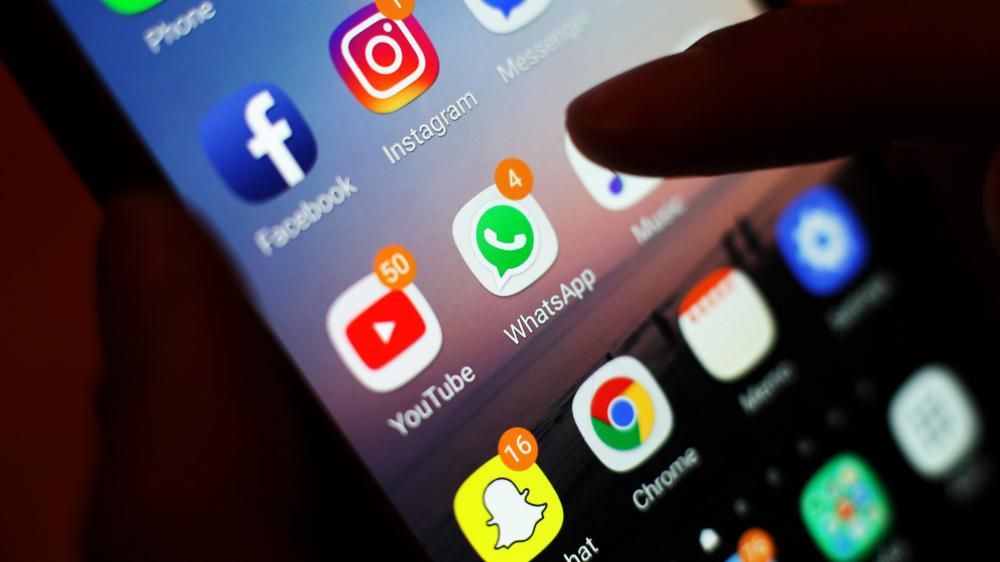
Gabon's media regulator has lifted the suspension of social media that it imposed in February, ending an eight-month blackout of platforms including Facebook, WhatsApp, TikTok, YouTube and Instagram. The High Authority for Communication (HAC) announced the decision on Saturday, Oct. 24, after what it described as agreements with the platforms on how illegal content will be reported and removed. The reversal closes one of the most disruptive episodes of Gen. Brice Oligui Nguema's presidency, but it leaves in place a legal framework that critics say gives the state wide latitude over online speech.
The decision matters now because it tests a promise Oligui Nguema made when he won the April 2025 presidential election: that the leader of the 2023 coup that ended the Bongo family's 55-year rule would deliver reform rather than repression. How he governs online speech, strikes and dissent in the coming months will shape that verdict.
What the regulator announced
The HAC said in a statement issued after an extraordinary plenary session, chaired by Germain Ngoyo Moussavou, that it had lifted the suspension that took effect on Feb. 17, 2026, Benin Web TV reported. HAC spokesman Jean Claude Mendome said, "The HAC has decided to lift the suspension of social media platforms," according to the Anadolu Agency. He said the suspension had been meant to "allow the government to adapt its legal framework to better regulate social media," and urged users to be "more responsible and mature in their online exchanges and behaviors."
The regulator did not give a technical timeline for restoring access to each network, Benin Web TV noted. During the suspension, the HAC held talks with TikTok, Meta and YouTube, and says the resulting protocols are now operational, giving it access to the platforms' reporting tools to flag content it deems illegal. Delegations from TikTok and Meta are expected in Libreville to deepen the cooperation, according to the tech outlet We Are Tech, which also reported that the government held talks with TikTok in Geneva in July on content moderation and the new rules.

How the ban began
The blackout began on a Tuesday, Feb. 17. The HAC announced "the immediate suspension of social media platforms" until further notice, saying online posts were fueling conflict and division, according to Courthouse News. Within a day, AFP journalists and the connectivity monitor NetBlocks confirmed that Facebook, TikTok, WhatsApp, YouTube and Instagram were unavailable. NetBlocks said on X: "Metrics show multiple online platforms are now restricted in Gabon." Facebook, TikTok and WhatsApp are the country's most widely used networks.
In a televised statement, Mendome criticized "inappropriate, defamatory, hateful and insulting content," citing false information, cyberbullying and the unauthorized disclosure of personal data, and warned it could destabilize state institutions and threaten national unity. He also said freedom of expression, including criticism, is "a fundamental right enshrined in Gabon," according to Africanews and Courthouse News.
The timing was not coincidental. Teachers had begun striking in December over pay and working conditions, and the protests had spread to health, higher education and public broadcasting, Courthouse News reported. A wage freeze imposed under the Bongo government a decade earlier has left teachers struggling with rising living costs. In January, authorities arrested two prominent figures from the teachers' movement, who were later released. A strike at the public broadcaster Gabon Television took some news programs off the air for three days. The strike was the first major unrest of Oligui Nguema's presidency, less than a year after his April 2025 election win.
The backlash
The ban drew criticism from the opposition, businesses and rights advocates. Alain-Claude Bilie-By-Nze, a former prime minister and leading opposition figure, called the decision "incomprehensible" and unconstitutional, telling reporters that the HAC has "absolutely no authority to make such a decision. It is disproportionate," Africanews reported. He noted that many small businesses and young entrepreneurs depend on social media as "a work tool." Courthouse News quoted him as saying the move created "a climate of fear and repression."
Merchants, media outlets and content creators described lost income. One creator with nearly 100,000 TikTok followers, who goes by Mister Wils, told Africanews he could no longer meet commitments to partners abroad. Many users turned to virtual private networks to get around the block, according to Anadolu and Benin Web TV. Anadolu reported that the opposition called the ban an abuse of power.
The legal framework left behind
The most consequential detail may be what the HAC did not repeal. According to We Are Tech, Ordinance No. 0011/PR/2026, dated Feb. 26, 2026, regulates social media use in Gabon. Under the ordinance, when a user reports illegal content, the platform has a maximum of 24 hours to remove it. If the platform refuses or does nothing, the person can take the matter to the HAC or the courts. Within 12 months of publication, platforms must add age verification for new sign-ups, tools to detect AI-generated content, and visible labels on AI-generated or substantially altered content.
Anadolu adds that a regulation passed in February requires social media users to provide verified names, addresses and ID numbers. The two reports describe the framework in different terms, and the text of the ordinance was not reviewed for this report, so the precise scope of the identification requirement should be treated with caution until confirmed. If the requirement stands as Anadolu describes it, it would end anonymity online, which rights groups typically regard as a deterrent to criticism of governments.
We Are Tech also cited TikTok's own figures: the company said it removed 23,504 sensitive content items in the first quarter of 2026, including 13,930 related to the safety and well-being of minors, and that 97.2 percent of violating content was removed within 48 hours. Those numbers were presented to illustrate the platform's moderation capacity, and they are TikTok's claims rather than independently verified.
A government under pressure
The social media decision cannot be separated from the government's wider difficulties. Wikipedia's chronology of 2026 in Gabon records that Oligui Nguema reshuffled his cabinet on Jan. 1 and named Hughes Alexandre Barro Chambrier vice president; that the government formally requested an IMF financial program on March 11 after an IMF mission, citing the need to stabilize finances and improve fiscal transparency; and that former Prime Minister Bilie-By-Nze was arrested on April 15 over unpaid debts of 5 million CFA francs (about $8,999) from organizing the 2008 National Cultural Festival. Bilie-By-Nze is the same opposition figure who led criticism of the ban. The source does not say how the case was resolved, and it should not be read as evidence of political motive.
The IMF request is a useful marker of the economic backdrop. A government seeking outside financing is under pressure to show fiscal discipline, and the allAfrica daily summary on Oct. 26 noted that the ban lifted amid strikes by teachers and civil servants and broader unrest facing Oligui Nguema, less than a year after his election.

Analysis: A retreat, but not a reversal
Three readings of the decision are plausible, and the evidence available supports elements of each.
The first is that this is a pragmatic retreat. An eight-month ban hurt merchants and content creators and pushed thousands of users toward VPNs, undermining the policy's effectiveness. The regulator itself acknowledged, through its emphasis on cooperation with the platforms, that a channel for takedown requests is a more sustainable tool than a blanket block.
The second is that the government has swapped a blunt instrument for a sharper one. The ordinance gives authorities a 24-hour takedown window, a route to the HAC and the courts, and, per Anadolu, a verified-identity requirement. Those provisions allow the state to pressure platforms and users continuously, without the economic cost of a shutdown. Whether they are used narrowly against hate speech and fraud, or broadly against political criticism, will depend on how the HAC and the courts behave, and nothing in the reporting reviewed here answers that yet.
The third is that the move reflects the government's assessment that the labor unrest has eased or can be managed by other means. The sources reviewed do not report the status of the teachers' strike as of October, so this reading remains unconfirmed. The allAfrica summary refers to strikes and unrest as continuing context, not as resolved.
What is clear is that the lifting was framed as an administrative step rather than a concession. Mendome's language, that the suspension was meant to let the government adapt its legal framework, presents the eight months as a necessary preparation for regulation. Critics will say it was a punishment for protest, and the legal basis for the original suspension, Benin Web TV noted, was not explained by the regulator.
What to watch
Several indicators will show whether the reopening is durable. Observers should watch for NetBlocks or similar monitors confirming full restoration of each platform, since the HAC gave no schedule. They should watch the first enforcement actions under the ordinance, including any takedown orders or sanctions against individuals, and whether the identity requirement is enforced in practice. They should watch the visits of TikTok and Meta delegations to Libreville and whether the companies publicly accept the HAC's reporting arrangements. They should also watch the IMF program discussions, the status of public-sector pay disputes, and the legal cases of opposition figures, all of which will indicate whether the government's approach to dissent is softening or simply changing form.
For ordinary Gabonese, the immediate change is simple: the apps work again, or will soon. For the country's politics, the larger question is who decides what may be said on them.
Published By | News Editor