Written By | Agencies
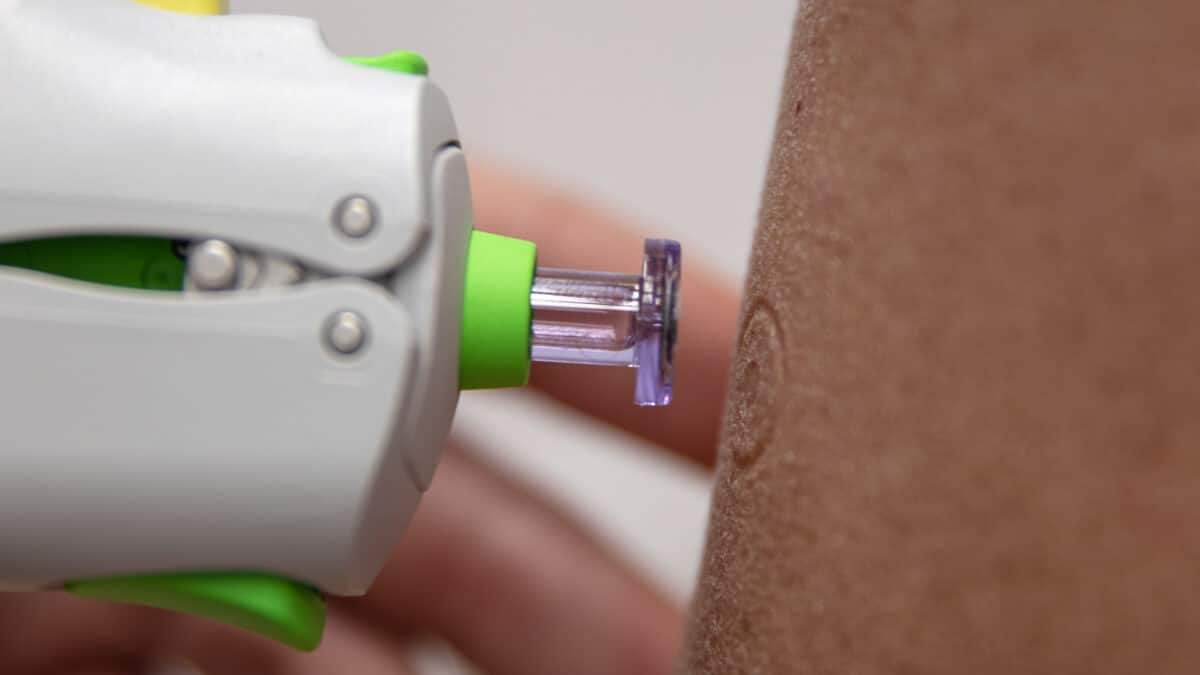
The world's first vaccine conceived entirely by artificial intelligence has passed its initial human safety trials, researchers announced this week
In a sunlit research facility on the banks of the River Cam, a team of scientists has done something no human has ever done before: they taught a machine to design a vaccine — and then proved it works in people.
The world's first vaccine conceived entirely by artificial intelligence has passed its initial human safety trials, researchers announced this week. If the technology holds up, it could mean the end of the frantic, years-long scramble to develop vaccines every time a new pandemic emerges — replaced instead by an AI system that designs protective shots before the next killer virus even makes the leap from animals to humans.
The announcement, published Thursday in the Journal of Infection, caps years of work by researchers at the University of Cambridge and its spinout company DIOSynVax.
A New Kind Of Science
Traditionally, scientists begin with a known pathogen. They isolate it, study it, and painstakingly engineer a vaccine. It is slow, expensive, and reactive.
DIOSynVax has flipped that script. Instead of starting with a specific virus, their AI platform starts with data — enormous quantities of genetic sequence information from coronaviruses worldwide. The machine learning system analyzes all these sequences together, identifying conserved features that remain constant across the entire family of Sarbeco coronaviruses — viral components that cannot easily mutate because they are essential for survival.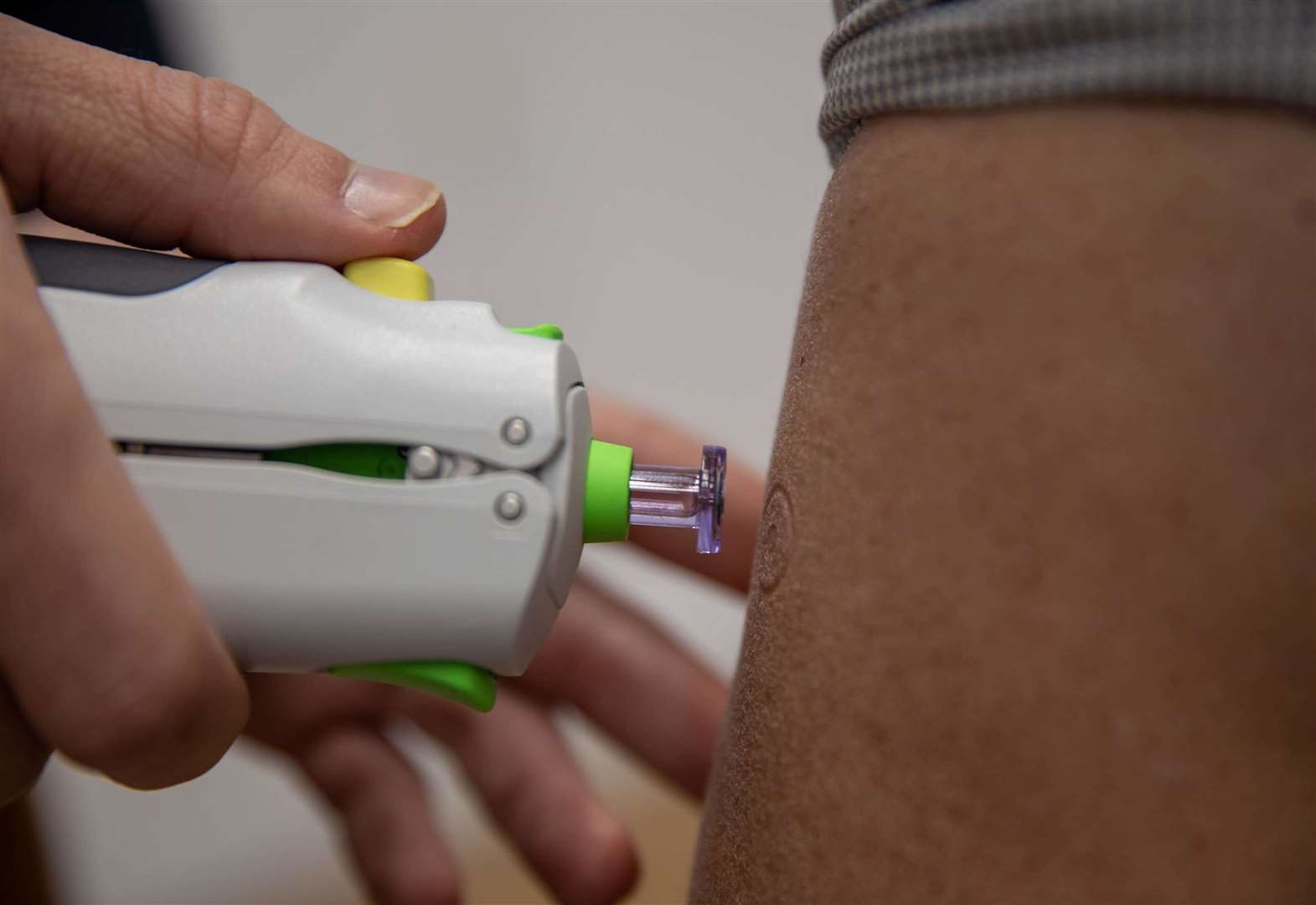
From this analysis, the AI designs a "super-antigen" — a single engineered protein incorporating these conserved features. Inject that into a human, and the immune system learns to recognize and fight not just one coronavirus, but potentially all of them: SARS-CoV-2 and its variants, the original 2003 SARS virus, and even bat coronaviruses that have never infected a human.
The Trial: 39 Brave Volunteers
The vaccine, known as pEVAC-PS, was tested in a Phase 1 trial involving 39 healthy adults aged 18 to 50. All had previously received two or three doses of existing COVID-19 vaccines.
The result: no serious adverse events. No alarming safety signals. The vaccine was well-tolerated across all doses tested.
More than just safety, however, the vaccine triggered immune responses — not only against SARS-CoV-2 and the original SARS virus, but also against related bat viruses that have never infected a human. That is the result that has scientists genuinely excited.
In vaccinology, generating immune responses against viruses that haven't yet crossed the species barrier is the holy grail of pandemic prevention. It means the body could already be primed to fight the next spillover event before it ever happens — potentially stopping the next COVID-19 at the starting gate.
A Needle-Free Revolution
pEVAC-PS also doesn't require a needle. It uses a DNA plasmid-based delivery system that can be administered without injection — a feature that could make it dramatically easier to deploy in low-resource settings.
This approach is distinct from the mRNA vaccines used against COVID-19. Researchers say it may offer superior stability and a longer shelf life, making it easier to store and distribute.
Expert Perspective: "This Changes Everything"
Scientists have reacted with enthusiasm and cautious optimism. The DIOSynVax team describes their AI system as "hoovering up" all known genomic sequences and using structural science to design the vaccine from scratch. The machine learning approach targets conserved viral features that are "essential for their life" — the biological equivalent of removing load-bearing walls. Viruses cannot easily mutate away from these features without ceasing to function.
The University of Cambridge announced that the team is already applying the same technology to develop vaccines against influenza and Ebola — two of the most significant viral threats. Given that an active Ebola outbreak was declared a global health emergency just three weeks ago in the DRC — with no licensed vaccine effective against its specific strain — the timing is particularly striking.
The Road Ahead: Phase 2 And Beyond
With Phase 1 safety data in hand, the team is now planning a larger Phase 2 clinical trial. This next stage will enroll a broader, more diverse population to assess whether the vaccine generates strong, broadly protective immune responses across different age groups, ethnic backgrounds, and prior vaccination histories.
The path from Phase 2 to regulatory approval is long — typically involving Phase 3 trials in tens of thousands of participants — but the scientific community is watching closely. If pEVAC-PS continues to perform as promised, it could represent the first of a new generation of "universal" vaccines: shots that protect against entire classes of pathogens, designed in advance of outbreaks rather than in their devastating wake.
The University of Cambridge announced that the team is already applying the same technology to develop vaccines against influenza and Ebola — two of the most significant viral threats
The Bigger Picture: AI's Expanding Role In Medicine
The DIOSynVax announcement is the most dramatic example yet of AI moving from the research lab into the human body. AI has already transformed early-stage drug discovery, with systems like DeepMind's AlphaFold revolutionizing scientists' ability to predict protein structures. But actually designing a vaccine candidate entirely from machine reasoning, and then validating it in a human trial, is a step beyond anything that has come before.
The implications extend well beyond COVID. An AI-designed universal influenza vaccine — targeting conserved elements that all flu strains share — could end the annual lottery of seasonal flu shots. A universal Ebola vaccine effective against multiple strains could be transformative for Central and West Africa.
What This Means For You
For most people, the immediate practical impact is limited — pEVAC-PS is years away from potential approval and widespread use. But the broader significance is hard to overstate. We are living through a period in which AI is beginning to do things that humans genuinely cannot: sifting through billions of data points to identify invisible patterns, then using those patterns to design medicines from scratch.
The COVID-19 pandemic killed more than seven million people worldwide. It exposed the terrifying vulnerability of a world where a novel pathogen can spread across continents before scientists even know what they're dealing with. If AI-designed vaccines can offer protection against entire families of viruses — including ones that haven't yet emerged — then for the first time in human history, we might get ahead of the next pandemic rather than perpetually chasing it.
A New Chapter Begins
On June 5, 2026, in Cambridge, England, a small group of scientists published results that may one day be remembered as a pivotal moment in the history of medicine. The world's first AI-designed vaccine has been tested in humans and found to be safe. The machine has spoken — and its prescription may yet save millions of lives. The next phase of human trials is being planned. The race to build the universal vaccine has officially begun.



